Khaberni - A delegation from the Islamic Resistance Movement (Hamas) is expected to arrive in the Egyptian capital, Cairo, to continue discussions regarding the ceasefire agreement in the Gaza Strip.
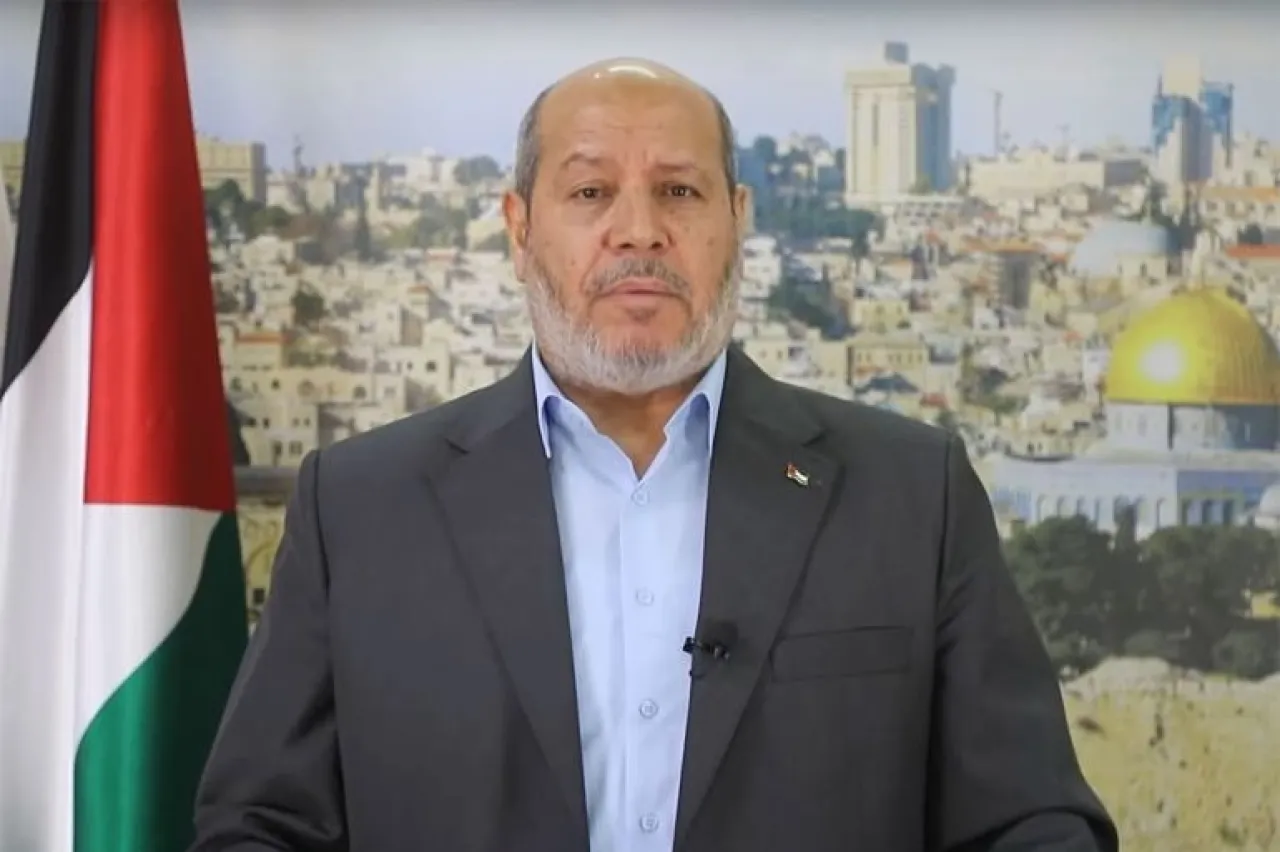
A Hamas leader stated that the delegation, headed by Dr. Khalil Al-Hayya, the leader of Hamas in Gaza and the official responsible for the negotiation files, will discuss with the Egyptian leadership the ongoing Israeli breaches of the ceasefire agreement, the latest of which was the aggression launched by Israel last Saturday, resulting in the martyrdom of 24 Palestinians in the Gaza Strip.
According to the leader, the delegation will discuss the requirements for the next phase of the ceasefire agreement, which was signed between the Palestinian resistance factions and the Israeli government with mediation by Qatar, Egypt, and Turkey on October 10, especially given the non-compliance by the occupation in implementing the first phase of the agreement.
The Hamas leader emphasized that the delegation prioritizes finding ways to prevent Israeli escalation in the Gaza Strip, noting that there have been 497 breaches since the ceasefire came into effect, resulting in the martyrdom of 342 Palestinians.
It is noted that the Israeli government has not complied with opening the Rafah crossing for movement of people and goods and has not allowed sufficient humanitarian aid as stipulated by the humanitarian protocol of the agreement. Moreover, the Israeli military continues to exceed the yellow line and persists in blowing up and destroying residential buildings in the areas it controls.
The Hamas leader clarified that among the delegation's agenda in Cairo is to clarify some issues arising from UN Security Council Resolution 2803, related to U.S. President Donald Trump's plan to end the Israeli war in the Gaza Strip, which was adopted on November 17.
The Hamas leader pointed out that the meetings in Cairo will address the developments concerning the internal Palestinian domestic arrangement, particularly in light of the Palestinian Authority leadership's non-engagement with the Egyptian proposals in this context.
It is worth mentioning that Cairo proposed earlier last year the formation of a community support committee to manage the Gaza Strip, consisting of specialized Palestinian technocratic figures.