Khaberni - A research team from Zhejiang University in China announced the development of an innovative compound that combines insulin with a charge-switching polymer known as OP, allowing the transportation of insulin across the traditional skin barrier.
According to Science Alert, laboratory experiments included mice, human skin models, and yielded promising results indicating the compound's ability to bypass the skin barrier, which typically prevents the passage of large water-loving molecules like insulin, opening the door for its delivery without the need for injections.
The polymer works in a clever way, adhering to fats and oils on the skin surface due to its positive charge, then losing its charge when it reaches deeper layers of the skin, allowing it to sneak between skin cells and release insulin into the body.
The experiments showed that the compound restored glucose levels in mice to normal rates within one hour and its effect lasted up to 12 hours, indicating initial safety of the compound.
The researchers believe that this technique could pave the way for the transportation of other biologically significant molecules through the skin, including proteins, peptides, and nucleic acids, and could potentially expand the applications of pharmaceutical delivery. However, they noted that the results need confirmation in human studies, long-term safety evaluations of the compound, and additional tests to determine the potential benefits and risks according to the cases.
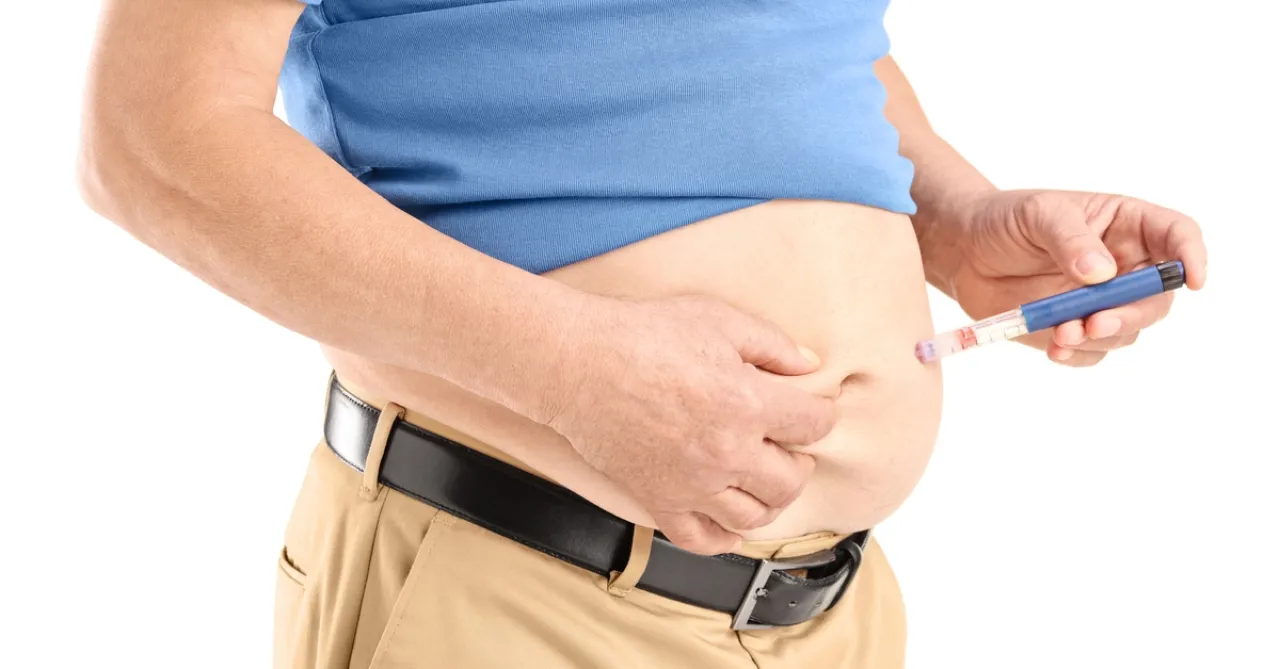
The issue of daily insulin injections is a challenge faced by millions of diabetes patients worldwide, often accompanied by discomfort and potential complications, thereby underscoring the significance of developing non-invasive insulin delivery methods to improve patient quality of life and facilitate adherence to medication regimens.