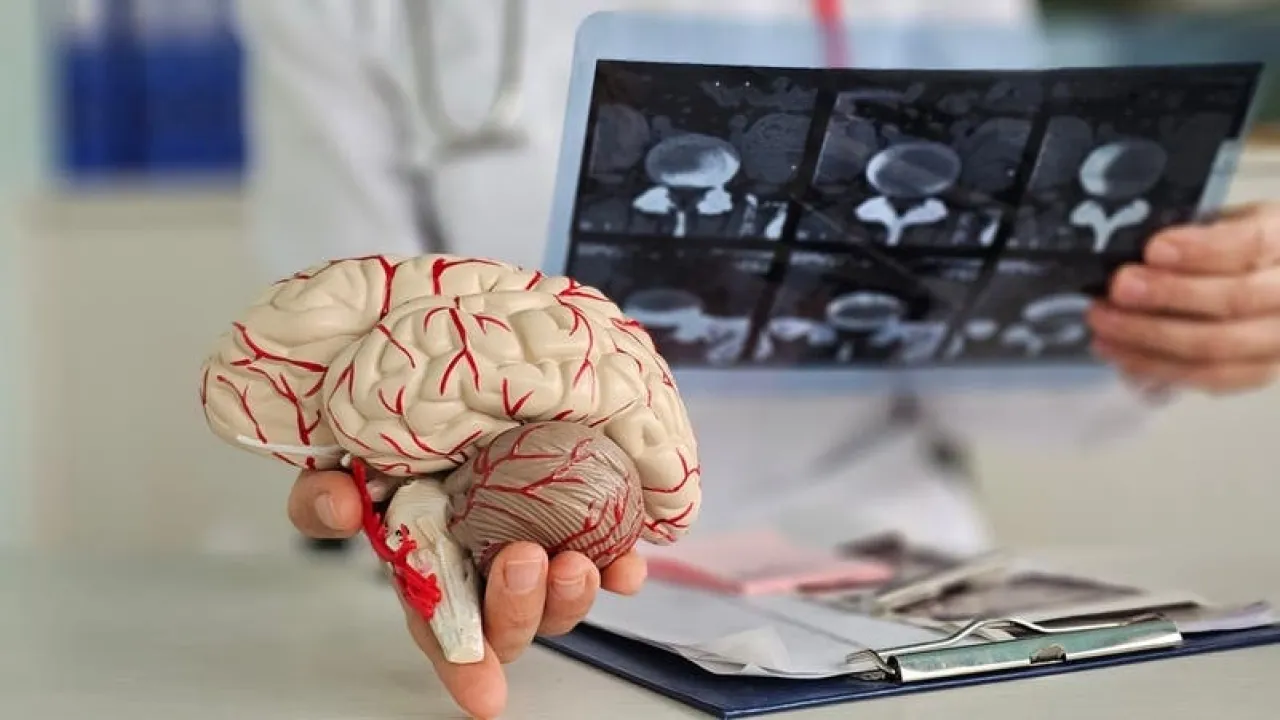
Khaberni - Maintaining the youth and health of the brain is as important as maintaining the fitness of the body. The good news, according to a report published in the Times of India, is that the brain does not need repairing but can grow new cells and adapt throughout a person's life, in a process called neurogenesis.
Neurologist Robert Lui, who specializes in treating Alzheimer's disease, explains that some physical and mental exercises can stimulate the growth of new brain cells, which helps improve memory and overall cognitive functions. Among the most effective and scientifically proven exercise options are resistance training, dual-task exercises, and leg workouts, as follows:
1. Resistance Exercises
Resistance exercises involve various forms of exercise that enable muscles to resist an external force, such as free weights, resistance bands, or body weight. Neuroscience studies show that resistance training enhances levels of brain-derived neurotrophic factor (BDNF), which stimulates the formation of new neurons in vital brain areas, including the hippocampus, the center of learning and memory.
Common resistance exercises include weightlifting, squats, lunging, pushing, and resistance band exercises. Regularly engaging in these exercises contributes to muscle development and also improves cognitive function through increased neural plasticity or the brain’s ability to adapt and create new neural pathways.
Studies have shown that even moderate resistance exercises, practiced two to three times a week, can have significant positive effects on brain health and performance. Additionally, engaging in resistance training is a strong countermeasure against age-related muscle deterioration, also known as muscle atrophy.
1. Resistance Exercises
Resistance exercises involve different forms of exercise that enable muscles to resist an external force, such as free weights, resistance bands, or body weight. Neuroscience studies show that resistance training enhances levels of brain-derived neurotrophic factor (BDNF), which stimulates the formation of new neurons in vital brain areas, including the hippocampus, the center of learning and memory.
Common resistance exercises include weightlifting, squats, lunging, pushing, and resistance band exercises. Regularly engaging in these exercises contributes to muscle development and also improves cognitive function through increased neural plasticity or the brain’s ability to adapt and create new neural pathways.
Studies have shown that even moderate resistance exercises, practiced two to three times a week, can have significant positive effects on brain health and performance. Additionally, engaging in resistance training is a strong countermeasure against age-related muscle deterioration, also known as muscle atrophy.
2. Dual-Task Exercises
Dual-task exercises combine physical and mental tasks, training the body and brain simultaneously. These exercises require concentration and coordination, making them particularly effective for brain health. This type of multitasking activates brain networks responsible for attention, coordination, and executive functions uniquely. Neuroscience research has shown that these trainings, due to their active engagement of multiple brain areas simultaneously, are more effective in promoting neurogenesis compared to physical or cognitive training alone. Therefore, the mental challenge combined with physical movement increases the production of brain-derived neurotrophic factor (BDNF), stimulating synaptic plasticity and enhancing the growth of strong neural networks essential for advanced thinking and memory. Dual-task training is especially effective in older adults in terms of delaying cognitive decline and enhancing functional independence.
3. Leg Exercises
Exercises focusing on the legs, such as squats, lunges, climbing stairs, and others, are effective for the brain. This is because they activate some of the largest muscles in the body, and when these muscles contract, they send strong biochemical signals to the brain, assisting in enhancing the production of neural tumor necrosis factor (NDNF) and supporting the growth of new brain cells.
Additionally, brisk walking or jogging, along with their cardiovascular benefits, also help increase blood flow to the brain, carrying oxygen and essential nutrients needed for the growth and repair of brain cells. Dr. Robert Lui classifies leg exercises as a fundamental component of his brain health recommendations, as they enhance systemic effects beneficial for brain elasticity. Besides promoting brain growth, leg exercises improve balance, coordination, and endurance, all of which indirectly contribute to brain health, reducing the risk of injuries and promoting an active lifestyle.