Khaberni - Scientists may have found a way to stop Alzheimer’s disease in its early stages by "dissolving" the microscopic protein aggregates that form the initial triggers of the disease.
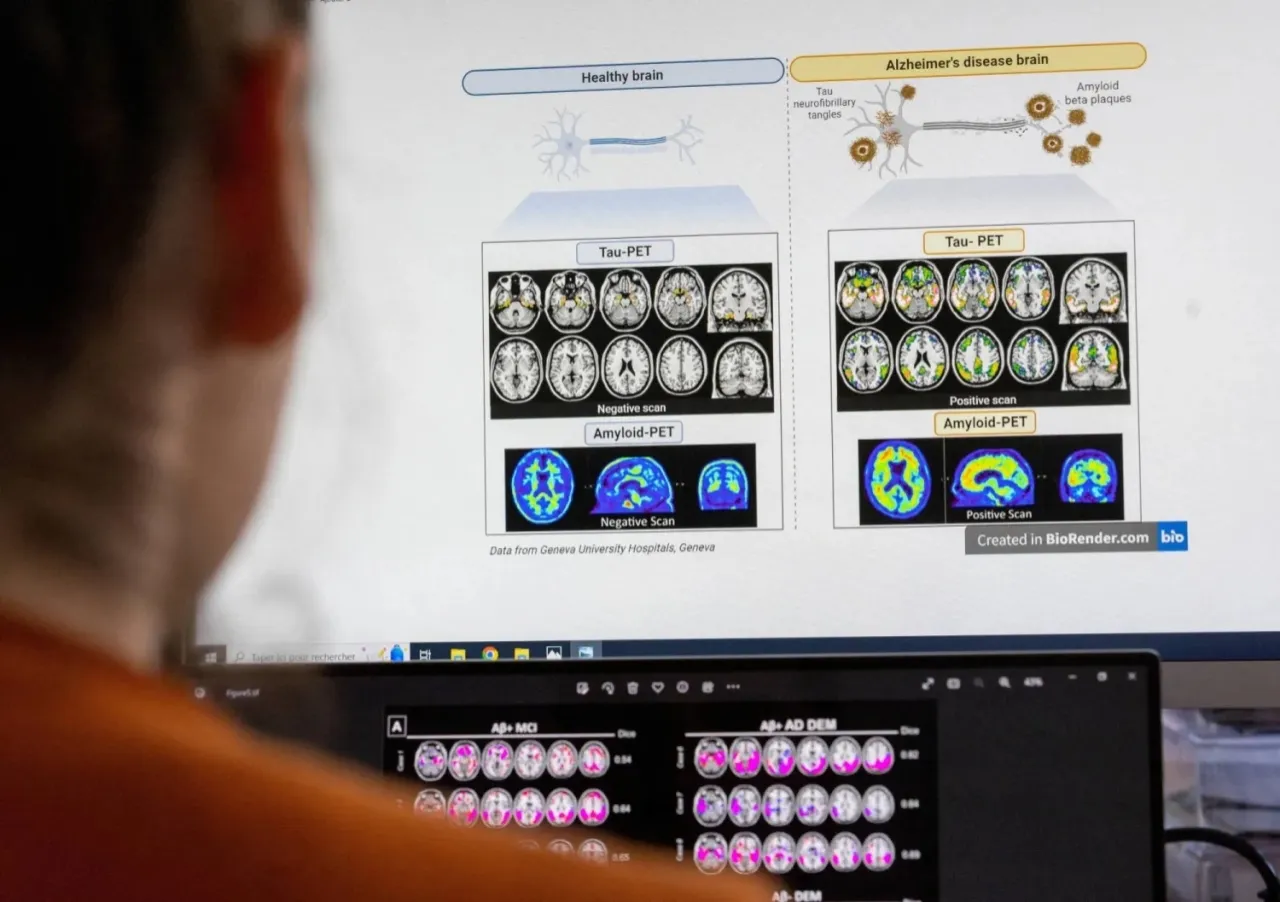
According to a report published by "Fox News", Alzheimer's disease has long been associated with the harmful deposition of "tau" protein fibers in the brain, which impair cognitive functions. However, researchers today have discovered small, soft clusters that appear very early before these toxic fibers form.
When these early clusters were dissolved, researchers anticipated that they prevent the formation of toxic "tau" fibers altogether, potentially halting the disease before it develops, according to a team from Tokyo Metropolitan University.
Led by Professor Rei Koreita, scientists used precise x-ray and fluorescence techniques in a laboratory setting to identify these microscopic "starters", which are only a few tens of nanometers in size, according to a press release.
Because these precursors were very soft, researchers were able to dissolve them, and the result was that no "tau" fibers were formed.
These results suggest the possibility of a shift in the way Alzheimer's treatments are developed.
Instead of focusing on breaking down the final protein fibers, new therapeutic techniques might target the reversible early stage of the aggregates, to prevent the formation of harmful structures from the outset, according to the statement.
This strategy might in the future be applied to research on other neurodegenerative diseases like Parkinson’s.
However, the study had some limitations, most notably that it was conducted using only biochemical models in the laboratory, without any human or animal trials. It is not yet known whether these reversible aggregates actually exist in human brain tissue.
More research is needed to determine whether disassembling these protein aggregates is safe and can genuinely contribute to the treatment of the disease.
Dr. Mark Siegel told "Fox News," "There are three basic structural components involved in the development of Alzheimer's disease - beta-amyloid proteins, tau proteins, and neuroinflammation."
He added, "There are already treatments available on the market that target the accumulation of beta-amyloid protein, and here we are facing a new targeted treatment that dissolves and disrupts the accumulation of tau protein before the scary neurofibrillary tangles form."
Siegel believes that this development "is certainly going to have clinical value," anticipating it to be better tolerated than currently available drugs.
He adds, anticipating: "In the future, we are likely to see a triple-component treatment – anti-inflammatory, anti-beta amyloid, and anti-tau."