Khaberni - Save the Children Jordan has launched a comprehensive study on the reality of children working in waste picking, to shed light on one of the worst forms of child labor, coinciding with World Children's Rights Day, which falls on Thursday.
The study examined the motivations and circumstances that drive children to this type of work, in addition to assessing the health, social, and educational risks they face, with 77% of the children in the research sample reporting severe exhaustion, while 60% mentioned being injured during work.
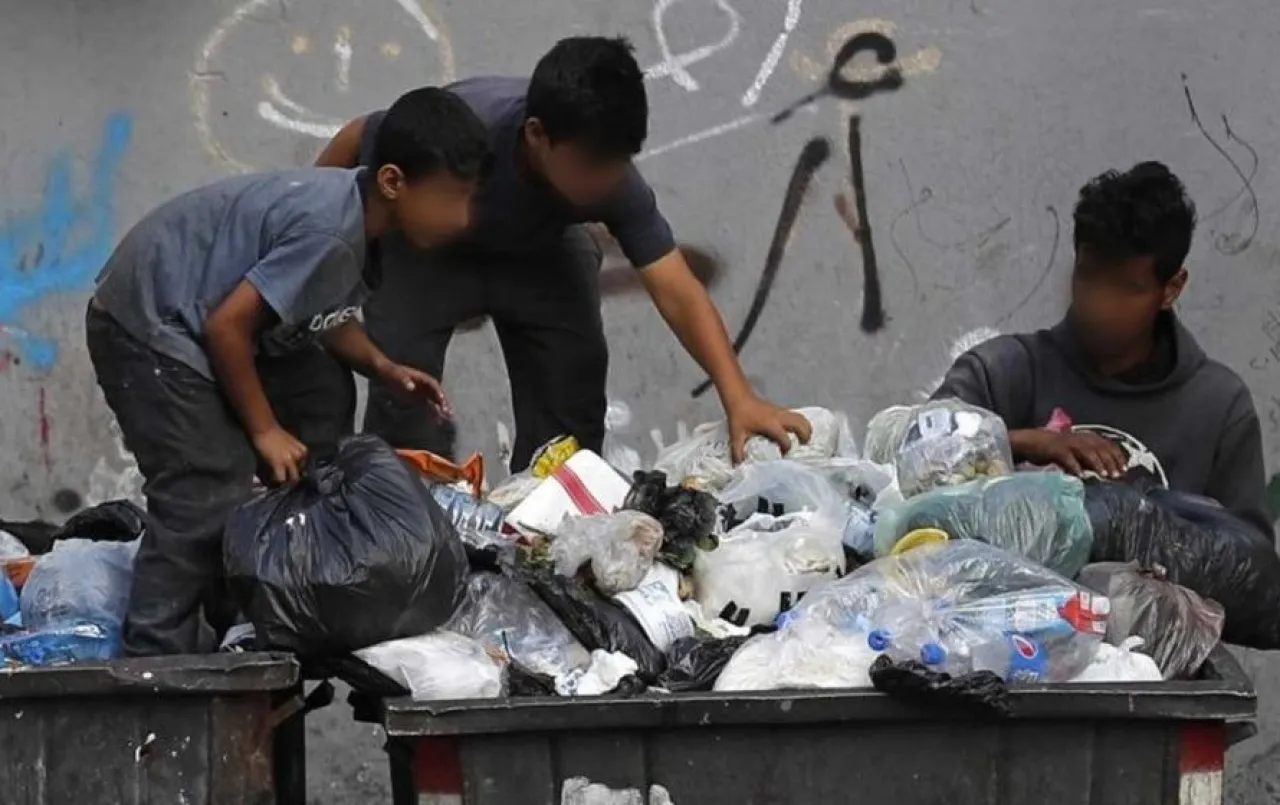
The study reveals that children working in waste picking face severe health and physical risks, most notably cuts, burns, work accidents, physical assault, and harassment, in addition to exposure to diseases due to direct contact with waste.
The study, titled "Young Scavengers: Lost Childhood Among the Waste Debris," used a mixed quantitative and qualitative methodology including in-depth face-to-face interviews with working children and their parents in East Amman, Russeifa, and Zarqa to analyze the social, economic, and cultural reasons associated with child labor, and to review the family, living, and educational conditions of this group of children.
The study findings show that difficult living conditions are the main factor behind child labor, with the average income of participating families around 150 Jordanian dinars per month, and 37% of families relying on the income earned by children from waste picking to cover their basic needs. It was also found that about half of the participating children are aged between 12 and 14 years, with 87% being male, and the majority are Jordanians (81.7%).
The financial situation of the interviewed families reveals that the majority of parents and heads of households are unemployed, while those who are employed have low wages, and this instability, unemployment, and low income lead to food insecurity; many families reported sometimes being unable to afford food costs. Thus, they often rely on borrowing money; which leads to debt and an inability to cover family expenses, negatively affecting their overall quality of life.
Dana Arekat, Executive Director of Save the Children Jordan, said child labor is a source of great concern due to its negative effects on their welfare, education, and overall development. Children are exploited in a number of economic sectors, but the waste scavenging sector is particularly dangerous, involving children from vulnerable social and economic backgrounds in activities including collecting, sorting, and processing waste.
Arekat emphasized the importance of deepening the understanding of supply chains related to work in this sector and the services and roles required to address this problem, pointing out that the study prepared by the foundation provides a comprehensive understanding of the challenges faced by these children, identifies gaps in the current response, and proposes evidence-based recommendations for reducing child labor and enhancing their welfare and protection in Jordan.
The study also indicated that financial challenges and the need to support family expenses force many families to prioritize income over education; the mothers said: "I had to pull them out of school in the fifth grade. After the COVID-19 pandemic, our expenses have significantly increased, we have no money, our situation does not allow them to go to school."
A child says "Working in waste dumps can be very dangerous, especially when the large trucks dump the garbage, a lot of white dust comes out, some days I return home covered in white dust, but the greater danger is when you see a metal rod and rush to grab it, the rocks and debris are big and can fall on you."
The study highlights the psychological and social impact of child labor, where material pressures and a difficult work environment lead to behavioral changes, such as smoking or social isolation, in addition to a decline in academic achievement due to dropping out of school due to the need to work, bullying, or the distance from schools.
Article 33 of the Juvenile Law classifies children working in waste picking as children in need of protection and care, and the Child Rights Law includes guarantees to protect children's rights in various aspects of their lives and enhance them, including their right to an identity, to education, to health, to protection from abuse and exploitation, and to participation.
Among the main provisions of the Child Rights Law is the prohibition of child labor in hazardous conditions, the regulation of permissible work, special protection for vulnerable children, the establishment of mechanisms to monitor and enforce children's rights, and penalties for violating children's rights and measures necessary for holding violators accountable.
The study offers evidence-based recommendations for decision-makers and institutions working in child protection, including enhancing financial and social support for poor families to reduce their reliance on children's income, expanding social protection and non-formal education programs, increasing community awareness and legal education on the risks of child labor, and improving coordination between governmental bodies and civil society to implement laws related to child labor and monitor their conditions.
The recommendations include enhancing education for working children by addressing financial barriers, providing educational incentives, facilitating participation in extracurricular and developmental activities, providing economic alternatives for families through economic support programs, expanding social protection networks, offering financial and vocational training for caregivers to reduce their reliance on child labor, combating exploitation, and improving protection in the waste picking sector through detailed research on work conditions and supply chains, regulating scrap work, strengthening legislation and oversight to reduce child labor in this area, and providing health, education, and psychological support services for children to pull them out of the labor market, and also included raising awareness of the laws and rights of children through targeted campaigns for children, families, and stakeholders, to ensure a broader understanding of child labor laws and enhance child protection from risks.