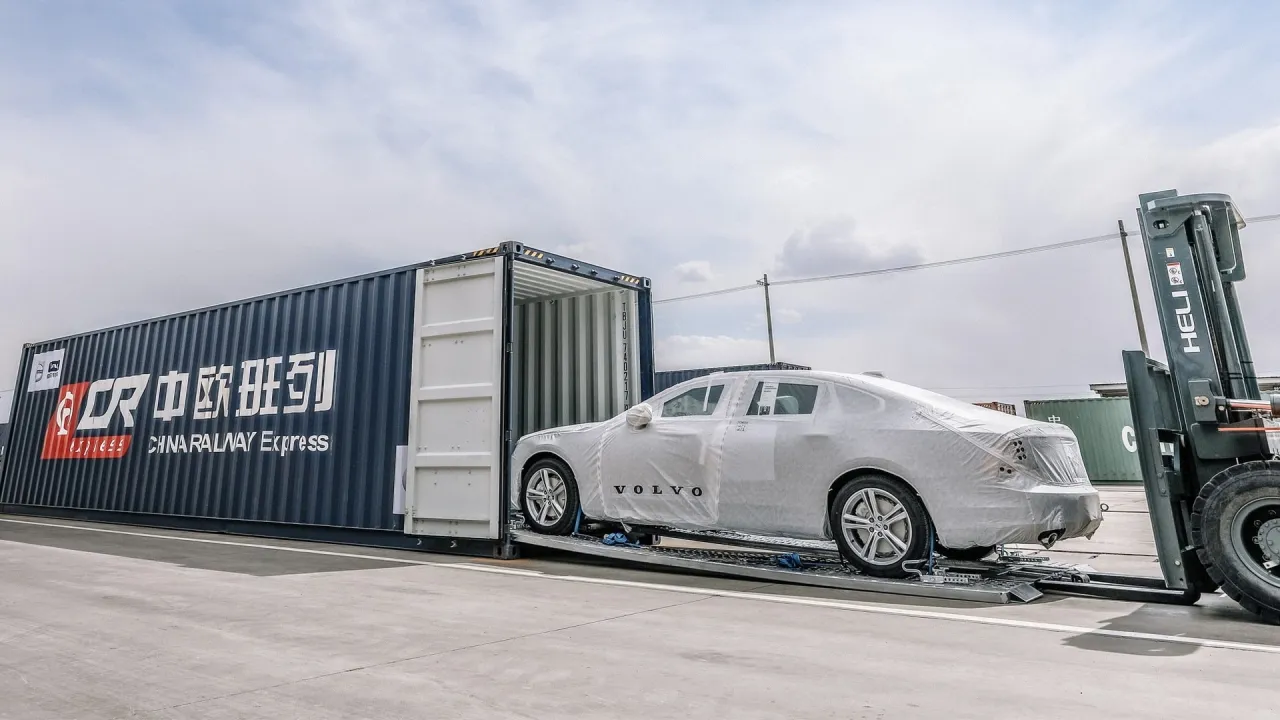
Khaberni - On Friday, November 14, four major Chinese government agencies issued a joint decision aimed at limiting the export of new cars to authorized Chinese factory agents abroad, enhancing the control over the export of used cars, and especially focusing on ensuring the availability of maintenance services and spare parts in foreign markets.
The decision, which will come into effect on January 1, 2026, aims to "regulate competition and promote healthy and organized development" of the car export sector in China.
The most prominent condition in the notice issued by the Ministry of Commerce, the Ministry of Industry and Information Technology, the Ministry of Public Security, and the General Administration of Customs, is the strict scrutiny on the export of new vehicles and prohibiting their export under the guise of "used," considering it a clear legal violation.
And the condition of guaranteeing post-sale service for new vehicles through authorized factory agents.
Under the new measures, export licenses will not be granted for vehicles registered for less than 180 days (six months) unless after submitting an official "post-sale maintenance service confirmation" warranty issued by the vehicle manufacturer.
This warranty is required to cover:
* The importing countries.
* Specific vehicle information.
* Information about authorized after-sales service centers abroad.
* An official seal from the manufacturer.
The implications of the decision on exporters
This decision puts an additional burden on Chinese export companies specializing in used cars to ensure that the used vehicles shipped abroad are fully supported in terms of maintenance, repair, and spare parts by authorized agents. The Chinese government aims to protect the reputation of its products in global markets by ensuring a reliable ownership experience for foreign consumers.
This move comes as part of Beijing's ongoing efforts to develop the Chinese car export sector in a sustainable and high-quality manner, rather than just focusing on increasing quantities, which requires establishing strong rules to ensure product support after sale through agents in the export countries.