Khaberni - Minister of Tourism and Antiquities Imad Hajazin said on Saturday that tourism is a major contributor to the gross domestic product.
Hajazin added, during a meeting held by the Jordanian Businessmen Association discussing "Recovery and Sustainability of Jordanian Tourism", that a tourist product could be developed anywhere.
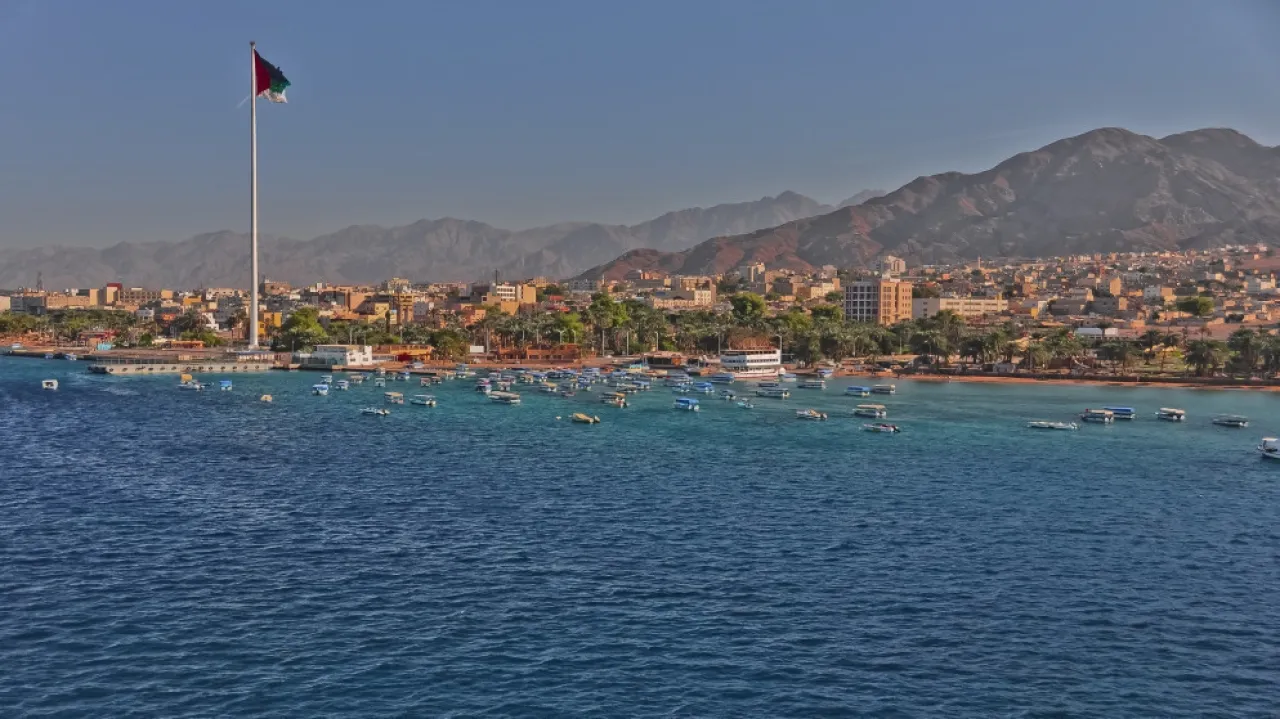
He pointed out that the tourism sector enjoys the advantage of networking with several sectors such as municipalities and transportation, noting that tourist investment in Jordan did not consider the specificity of the provinces, as investments are concentrated in Aqaba, the Dead Sea, and Amman.
He reviewed the tourist markets targeted so far, highlighting the importance of opening new markets and focusing on Christian religious tourism, adding that Jordan could knock on the doors of Christian religious tourism in nearby markets such as the Gulf.
Hajazin stated that the tourist product has not been developed since the sixties as required despite the tourist advantage it enjoys, indicating that Jordan has many sites for Islamic religious tourism such as the sites of Mu'tah, which can be invested.
He called for the necessity of air linking, indicating that there is a governmental financial allocation related to this link which achieves a tourist return.
He said that the challenges facing the sector include seasonality, where there are international markets with one season, and regional markets with another season, pointing to the importance of having festivals and tourist "packages" that stimulate tourism.
He referred to challenges beyond control such as wars, regional conditions, and pandemic situations like COVID-19, noting that tourism gets sick but does not die.
Hajazin spoke about the financing challenge, where sector workers find difficulty in obtaining loans and financing, which requires addressing this aspect.
Hajazin emphasized that the sector faces a challenge concerning human resources and the interest in working in the tourism sector due to the lack of job security such as health insurance and others.
Hajazin noted that there are workers who, after acquiring skills, go to work abroad; he also stressed the need to develop education to keep pace with what the sector has reached.
For his part, Ayman Al-Alawneh, head of the Businessmen Association, said that the tourism sector in the Kingdom is one of the main pillars contributing to the growth of the national economy, and it was affected during the past two years by the geopolitical disturbances in the region.
Al-Alawneh added that with the recovery of the situation in the region, Jordanian tourism gradually regained its activity, where tourism income during the first nine months of the current year reached about 6 billion dollars, recording an increase of 6.8% compared to the same period last year. This improvement was driven by a package of supported decisions and developmental initiatives that contributed to stimulating the sector, alongside the increasing demand for Jordan from various tourist markets, which positively reflected on the performance indicators of the tourism sector that continued its upward trend steadily.
Al-Alawneh said: "We look forward to the tourism sector continuing its growth path by enhancing the partnership between the public and private sectors, as one of the strategic axes for developing innovative tourism projects that contribute to achieving the goals of the economic modernization vision, through employing investments, technical and managerial expertise to develop a comprehensive tourist infrastructure that includes resorts, hotels, entertainment and cultural facilities."
He continued: "In addition to projects focusing on therapeutic and religious tourism, which have experienced a decline in recent years, this approach is part of the efforts to restore Jordan's status as a leading destination for therapeutic tourism in the region, benefiting from advanced medical centers and high-quality health services, as well as the rich religious and historical attributes that make the Kingdom a distinctive destination for international visitors."
He said that the investment stimulation programs for tourism are a central tool in supporting the growth of the sector and enhancing its competitiveness, by offering attractive incentives for investors, creating new job opportunities, and developing local skills and competencies, which contribute to embedding the principles of sustainable economic development and increasing the tourism contribution to the gross domestic product.
He said that enhancing the promotional efforts for tourism in the Kingdom and diversifying the targeted markets are part of the efforts aimed at consolidating Jordan's position as a comprehensive tourist destination, capable of attracting more visitors and investments.
He noted that restoring the tourism momentum and achieving the activity levels recorded by the sector before the year 2023 are among the most prominent goals, which reflects the great potential and high ability of the sector to continue playing a vital role in supporting the national economy and promoting sustainable development.