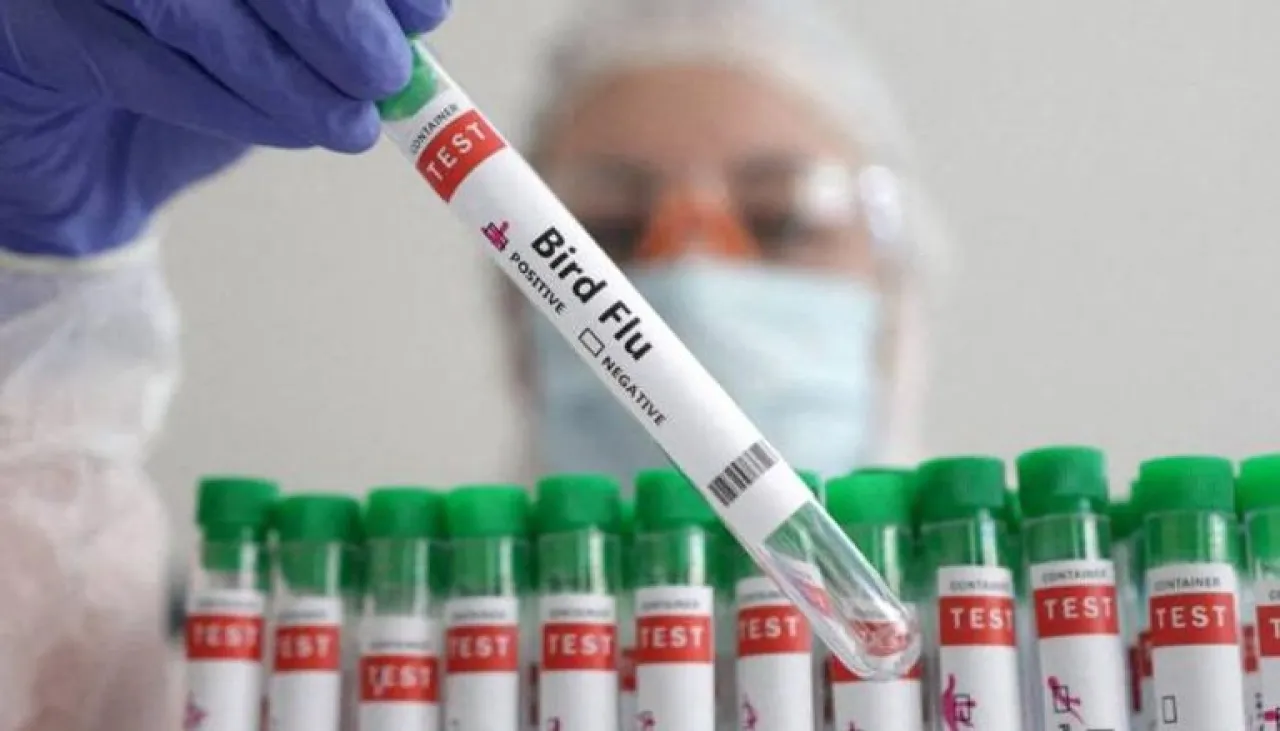
Khaberni - A recent study revealed only a limited number of asymptomatic cases of bird flu virus "H5N1" in humans.
The researchers in the study, conducted by the U.S. Centers for Disease Control and Prevention, said that this limited detection indicates that silent infections with this virus remain rare and are difficult to document.
The "H5N1" virus is among the most aggressive and widespread strains of bird flu affecting wild birds and poultry around the world, and has caused significant losses in the American poultry sector in recent years, as entire farms were forced to cull their birds to stop the spread of the infection, leading to an increase in egg prices in the markets.
Since the discovery of the first human cases of the virus in 1997, more than a thousand cases have been recorded in 25 countries, with a global mortality rate of approximately 50%, most of which were the result of direct contact with infected birds. In the United States, a few recent human cases have been linked to direct handling of cattle infected with the virus.
While silent infection with seasonal influenza is well-known, information on unapparent infections with the "H5N1" virus remains limited, and their danger lies in the possibility of distorting epidemic risk estimates if not detected in a timely manner.
In a scientific review published in "JAMA Network Open", researchers analyzed data from more than 1,500 studies published up to August 2025, and found only 10 studies reporting asymptomatic cases, with a total of 18 confirmed cases worldwide.
Among these cases, only two were confirmed using both molecular and serological tests, one in Pakistan and the other in Vietnam. It is likely that one of the cases was infected through human-to-human transmission, while the other was associated with contact with infected chickens.
The study suggested that most of the other cases were registered among people who had contact with infected poultry in Bangladesh, Spain, and the United Kingdom, or during investigations conducted in Vietnam and Cambodia. However, some results could be due to environmental contamination rather than true infections, as most cases lacked follow-up testing or antiviral treatment.
The researchers concluded that silent infections with "H5N1" are rare and require more precise documentation and more sensitive tests. They emphasized that understanding the extent of unapparent infection, the duration of virus shedding, and the possibility of transmission without symptoms are all necessary factors for improving outbreak risk assessment and developing effective prevention strategies in the future.