Khaberni - The Ministry of Awqaf, Islamic Affairs, and Holy Sites announced today, Thursday, that the ministry has put an emergency plan in place to handle weather conditions and developments during the winter season.
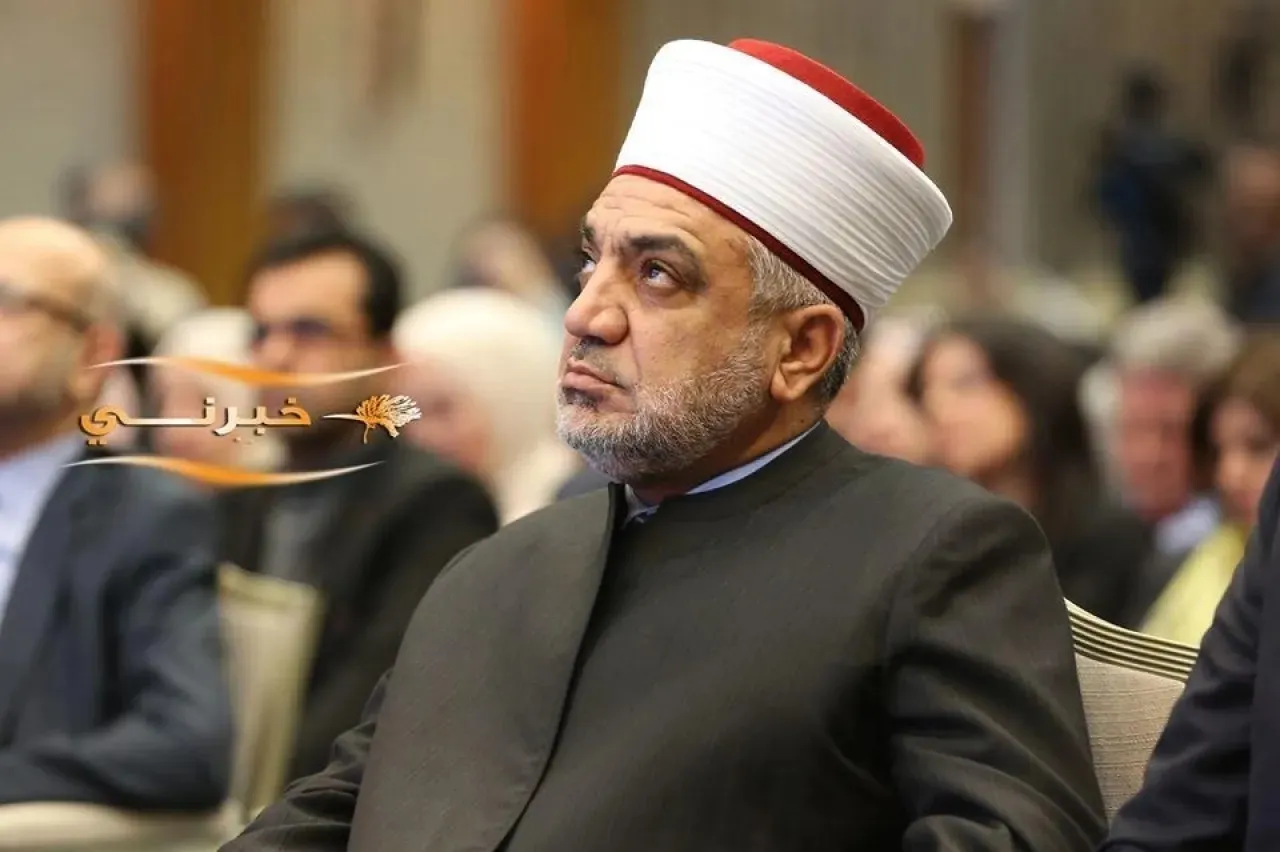
Minister of Awqaf and Islamic Affairs, Dr. Mohammed Al-Khalayleh issued a circular to all Awqaf directors in the provinces and regions of the kingdom, to ensure the readiness of mosque buildings and their facilities, and take appropriate precautionary measures to maintain and ensure the sustainability and fitness of these buildings, and to conduct necessary maintenance.
The emergency plan includes identifying areas most at risk of flooding or snow accumulation and conducting technical inspections of the existing mosques to evaluate their structural safety, or any hazards that could potentially occur or affect them during the winter season, coordinating with the Greater Amman Municipality and municipalities to take necessary actions and precautions for mosques that are located below street level and sewer lines and drainage, and inspecting and maintaining public sewer lines, and placing sandbags as barriers to prevent water flow into them.
The measures include ensuring the safety of the sewage network in mosques, ensuring the safety of internal electrical lines, in addition to identifying some mosques as shelters in case of disasters, and stocking them with required supplies such as blankets, mattresses, heaters, food supplies, and more, in cooperation with Zakat committees within their jurisdiction.
The plan also emphasized the demolition and burying of old unused absorption pits, inspecting manhole covers, replacing the damaged ones within mosque premises, and the circular on providing self-storing (charging) spotlights for use in case of power outages inside the mosques, as well as inspecting and repairing what needs maintenance, such as canopies and zinc panels installed around mosques, and ensuring the installation and safety of solar panels, providing heaters with spare gas cylinders in mosques that use air conditioning, and ensuring the safety of submersible pumps if present, and the strength and safety of external fences, and metallic and cement minarets.
The measures also included maintenance work on the sewage network within mosque boundaries, cleaning gutters, ensuring there are no cavities in the roofs to prevent water pooling, and providing a stockpile of provisions, winter clothing, and blankets for relief to families and households whose homes are invaded by floods and rains, or collapse of houses.
The Imams and muezzins were requested to guide the community through the mosque loudspeakers with any instructions provided to them by the Secretary-General or the administrative governor, or to instruct them to pray at their journey’s start and homes in cases where reaching the mosque is difficult or likely to cause injury and danger, and ensuring the readiness of diesel storage areas, maintaining their cleanliness, and ensuring they are in a safe place away from the electrical room, storage of carpets, and excess furniture.
The plan also included turning off lights in offices and bathrooms, disconnecting electric plugs from devices, and turning off exhaust fans in the bathrooms 15 minutes after each prayer, installing adhesive on the external and internal staircases of mosques to prevent slipping due to rainwater outside and ablution water inside, and installing signs inside mosques and directorates containing direct phone numbers for contacting the concerned authorities in emergency situations such as civil defense, electricity, water, and municipalities.
It emphasized on pruning trees at entrances and passages and continuously removing fallen leaves, performing necessary maintenance on air conditioners, cleaning filters, ensuring the readiness of pickups in the directorates with all necessary equipment in emergency situations, and from the safety of iron minarets from correct and safe installation.