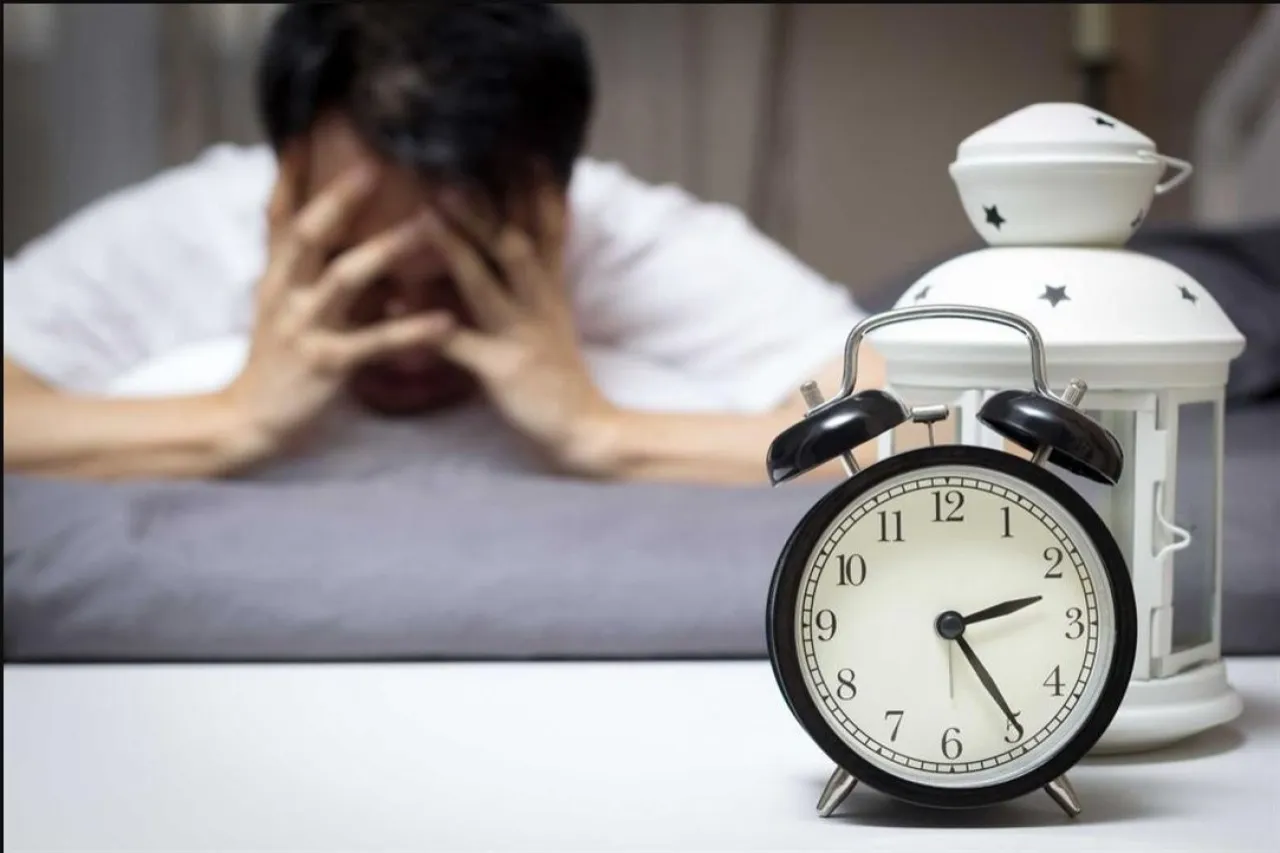
Khaberni - Have you ever noticed that you become more irritable or less focused after a night of insufficient sleep? Sleep is not a luxury as some might think, but a basic biological need that ensures the body and mind rest and balance.
When we deprive ourselves of sufficient sleep hours, a chain of negative effects starts from the brain to the psychological and physical state, impacting memory, mood, and productivity.
The Importance of Sleep and Its Vital Functions
Before discussing the effects of sleep deprivation, it's necessary to understand why sleep is so important. During sleep, the brain processes information received throughout the day, and hormones that regulate growth, immunity, and metabolism are secreted.
Sleep acts as a "reboot" for the body and mind, thus the benefits of sleep are not limited to physical rest, but also extend to mental and psychological health.
Adults typically need between 7 to 9 hours of sleep daily, while children and teenagers need more hours due to their growth stages. However, studies indicate that a significant percentage of people do not regularly get enough sleep.
The Impact of Sleep Deprivation on Memory and Focus
The relationship between sleep, memory, and focus is very close. During deep sleep phases, the brain solidifies new information and transfers it from short-term to long-term memory. When sleep hours are reduced, this vital process is disrupted, leading to poor focus and difficulty in retrieving information.
Recent research shows that students who stay up late before exams perform worse than those who sleep well. The reason is that sleep deprivation reduces the brain's ability to process information effectively, making a person more prone to forgetfulness and mental confusion.
Some psychologists consider adequate sleep as "food for the brain" because it maintains the activity of nerve cells and prevents cognitive decline over time.
Sleep and Mood: How Does Sleep Affect Your Psychological State?
The impact of sleep is not limited to memory, but it also extends to emotional aspects. The relationship between sleep and mood is reciprocal:
Sleep deprivation makes a person more prone to stress and depression, while a poor psychological state can lead to sleep disorders such as insomnia or fragmented sleep.
When a person does not sleep well, the activity of the brain region responsible for negative emotions (the amygdala) increases, while the ability of the frontal cortex, responsible for regulating emotions, to control them decreases. The result? Irritability, mood swings, and a greater propensity to feel frustrated.
Numerous studies confirm that people suffering from chronic sleep deprivation are 60% more likely to suffer from depression and anxiety compared to those who sleep sufficiently. Moreover, improving sleep habits is often a crucial part of treating psychological conditions.
Harms of Sleep Deprivation on the Body and Overall Health
Besides psychological and mental effects, the harms of sleep deprivation extend to all body systems, including:
Immune system disruption:
Lack of sleep leads to decreased body's ability to fend off infections, making a person more susceptible to colds and seasonal illnesses.
Increased risk of chronic diseases:
People who do not sleep sufficiently are more likely to develop heart disease, diabetes, and high blood pressure.
Hormonal imbalances:
Sleep deprivation affects the secretion of the hunger hormone (ghrelin) and the satiety hormone (leptin), leading to increased appetite and weight gain.
Poor focus and reduced productivity:
Insufficient sleep makes a person slower in decision-making and less accurate in performing daily tasks.
Skin and appearance problems:
Frequent sleeplessness causes skin pallor and the appearance of dark circles under the eyes due to elevated cortisol levels (the stress hormone).
Sleep Disorders: When Does the Problem Become Serious?
Everyone experiences periods of insomnia or fragmented sleep, but when the problem persists for a long period, it may indicate underlying sleep disorders that require medical intervention. Some of these disorders include:
Chronic insomnia: Difficulty in falling or staying asleep despite feeling tired.
Sleep apnea: A disorder that causes breathing to stop for seconds during sleep, leading to frequent waking.
Restless legs syndrome: A bothersome sensation in the legs that compels the patient to move them continuously before sleep.
Narcolepsy: A condition where a person loses control over sleep during the day.
If you are experiencing difficulty sleeping for more than three consecutive weeks, or wake up tired despite sufficient sleep, it is important to consult a doctor to evaluate your condition.
Tips for Improving Sleep Quality
If you suffer from sleep deprivation, here are some tips that may help you improve your lifestyle:
Ensure a fixed sleep and wake time daily even on weekends.
Avoid caffeine and nicotine several hours before sleep.
Reduce the use of electronic devices before bed, as the blue light from screens affects the secretion of the melatonin hormone.
Practice meditation or deep breathing exercises to calm the mind before sleep.
Optimize your bedroom environment in terms of lighting, temperature, and tranquility, as all these factors directly affect sleep quality.
Regularly following these tips can rebalance your natural sleep cycle and gradually improve memory and mood.
Conclusion
Lack of sleep is not just temporary fatigue, but a problem that affects all aspects of our lives: from sleep and memory to mood and physical health.
When we lose the necessary sleep hours, our mental capabilities are affected, and we become more prone to mood swings and stress. Conversely, adhering to a healthy sleep pattern provides the body with new energy and maintains psychological and mental balance.
Adequate sleep is not a luxury, but natural therapy and disease prevention. So, if you are looking for better performance, stronger memory, and stable mood, start first by giving your body its right to sleep.