Khaberni - On Monday, China announced the suspension of specific tariffs it had imposed on American ships at its ports, on the day other measures aimed at calming the trade war between Beijing and Washington came into effect.
The two powers have been facing off for months in a multifaceted trade dispute that affects the global economy.
At certain stages, reciprocal trade tariffs reached very high levels, significantly impacting commercial exchange between the world's two largest economic powers, before being reduced to more moderate levels.
After a meeting between Presidents Donald Trump and Xi Jinping on October 30 in South Korea, the United States and China agreed to roll back some of the punitive trade measures taken by both sides.
The Chinese Ministry of Transportation announced on Monday that it would suspend for one year the "special" tariffs that began based on the tonnage of ships owned or operated by American companies, bodies, or individuals arriving at a port in China.
The suspension took effect at 13:01 (05:01 GMT), according to the ministry.
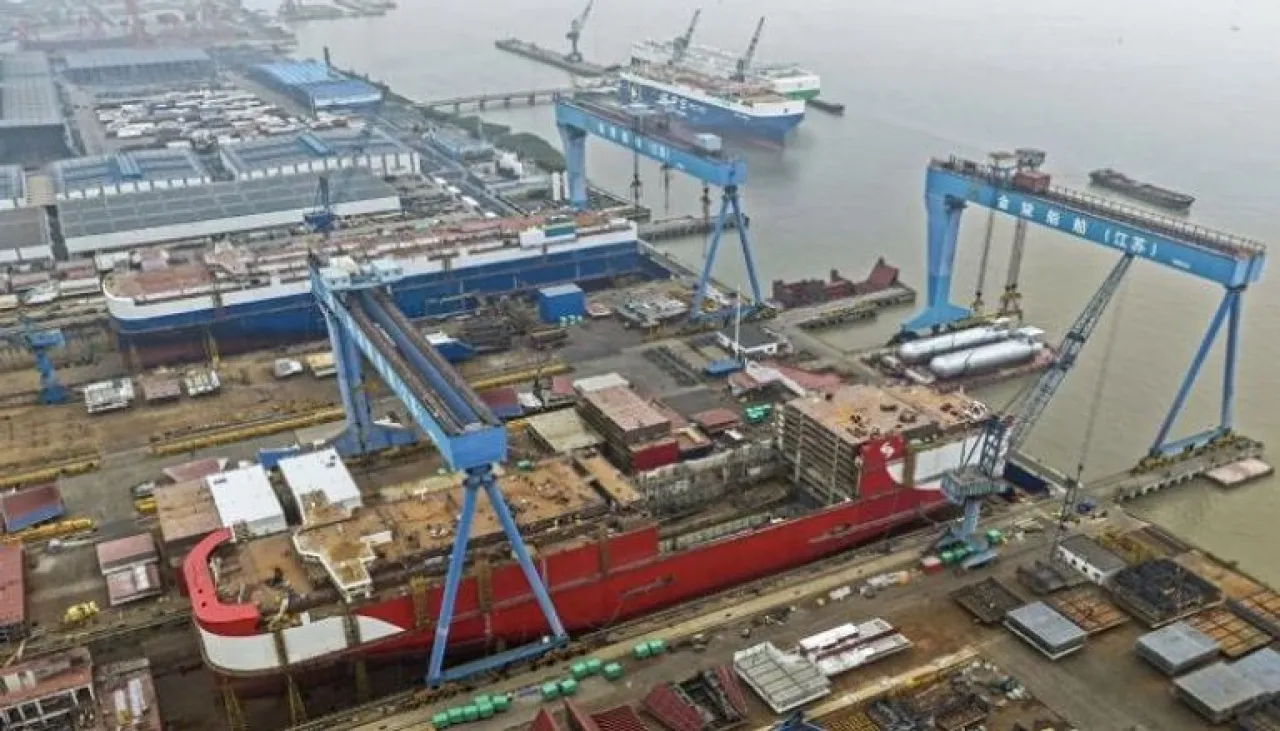
Beijing had announced in October 2025 the imposition of these tariffs in response to similar American measures aimed at countering Chinese dominance in the shipbuilding sector.
After being a major force in this sector after World War II, the United States now accounts for only 0.1% of total global ship production. In contrast, China alone builds about half of the world's ships, followed by South Korea and Japan.
Sanctions and Fentanyl
In the context of continued easing of trade tensions between Beijing and Washington, the Chinese Ministry of Commerce also announced on Monday that it had suspended for one year and with immediate effect, its sanctions on five American branches of the South Korean shipbuilding company "Hanwha Ocean".
When announcing these sanctions mid-last month, the ministry accused the five branches of having "contributed and supported" an investigation conducted by the US authorities on the shipbuilding sector in China, which "undermines China's sovereignty and security and development."
At that time, the ministry banned any dealings or cooperation in China with these five branches of the giant South Korean company.
Beijing justified its Monday step by the suspension of Washington's actions against the Chinese maritime, logistics, and shipbuilding sectors.
In a further indicator of improvement in the trade arena, the Ministry of Commerce announced on Monday that it had added about 10 raw materials for fentanyl to the list of products subject to export control to the United States, Mexico, and Canada.
The trade of fentanyl has long been a major point of dispute in the relationship between the two countries. Washington accuses Beijing of overlooking the illegal trade of this narcotic substance, which China denies.
The Chinese statement did not mention the latest trade negotiations, although the White House had announced on November 1 that Beijing agreed to "stop shipping certain chemicals to North America" as part of measures to "stop the flow of fentanyl".
Calming
On Monday, a series of previously announced measures came into effect, as part of calming the trade war between Washington and Beijing.
China extended the suspension for a year of part of the additional customs duties on American products, keeping them at 10%.
Starting from Monday, it also stopped collecting additional customs duties imposed since March on soybeans and several other American agricultural products.
These duties significantly affected groups of Americans who support Trump.
The measures announced on Monday add to a series of steps taken by China following the meeting between its president and his American counterpart.
On Sunday, Beijing announced the suspension of the ban on exporting gallium, antimony, and germanium metals necessary for modern technology including semiconductor manufacturing, to the United States.
It also confirmed that it agreed to suspend for one year restrictions recently imposed on various exports, including some materials related to rare earth metals, essential for defense, automotive, and electronics industries.