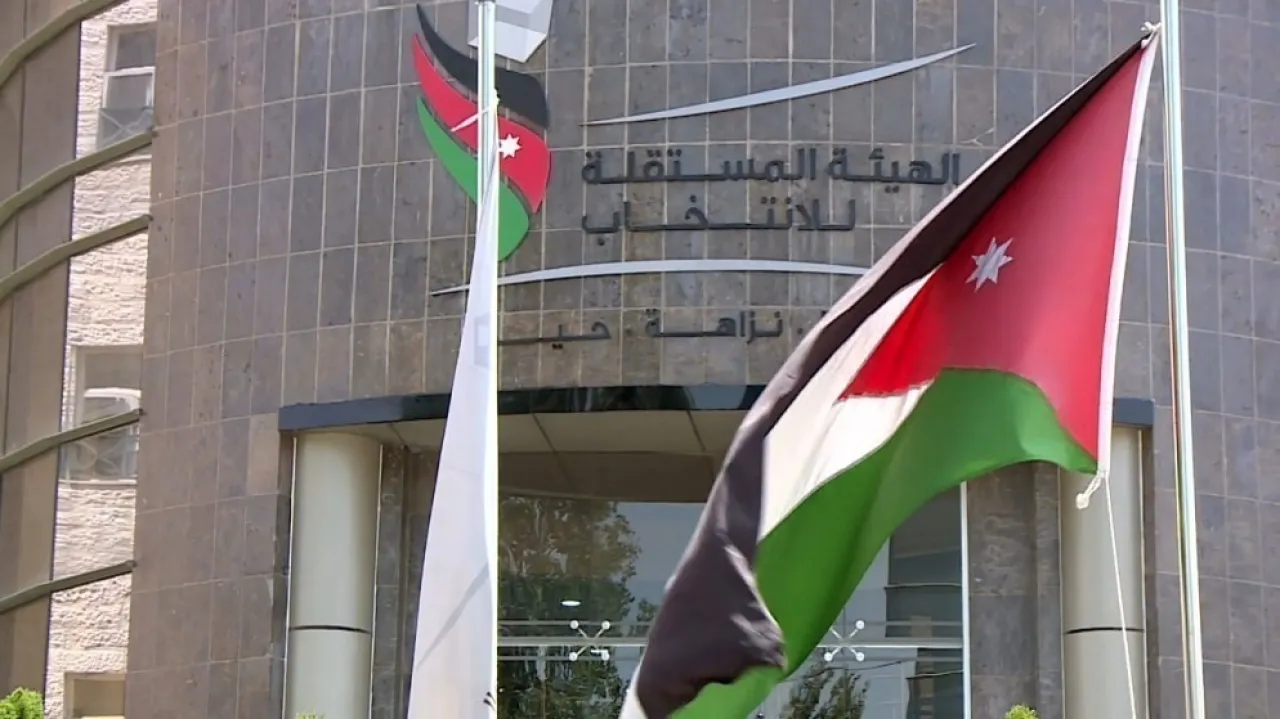
Khaberni - The political modernization project in Jordan continues to entrench the culture of institutional party work, in a step reflecting the gradual shift towards the institutionalization of political life, and enhancing transparency and accountability within the parties.
The adoption of the governance standards for political parties by the Board of Commissioners of the Independent Election Authority marks an important milestone in this reform process, as it clearly defines the foundations that parties should rely on in their internal systems and organizational structures to ensure decision-making democracy and effective participation.
The Board of Commissioners of the Independent Election Authority announced the adoption of the necessary standards in the basic system of political parties according to the provisions of the law, and the instructions issued under it to ensure the enhancement of good governance within the parties. It confirmed that this step is part of the Council's duties and the party registry in following up on the parties and verifying that the legal conditions are available in their basic systems and internal regulations.
Ahmed Abu Zeid, Secretary of the party registry at the Authority, in a press statement to Petra News Agency, said that these standards focus on organizing the party structures clearly, through defining key terms such as the general body, the general congress, and the executive leadership, in addition to defining the legislative and supervisory bodies within the party.
The standards also stipulate ensuring that all organizational structures are elected democratically, with specifying the nomination mechanism, the number of members, the duration of tenure, and preventing the combination of more than one membership to ensure no conflict of interests, while considering fair representation of women, youth, and persons with disabilities in leadership positions.
Abu Zeid emphasized the importance of establishing a special body for dispute resolution to look into violations and challenges against election results and the validity of meetings, specifying clear time stages for addressing complaints, identifying violations and punishments and mechanisms for reporting and challenging them, and ensuring transparent management of internal elections with the right to challenge their results, and specifying a clear mechanism for selecting the party's candidates for any participating elections.
The standards also focused on financial transparency, by specifying the entity responsible for spending and expenses, financial ceilings, and separating the resources intended for contributions from other resources, with a guarantee to enable women, youth, and persons with disabilities of the financial resources of the party, especially in election campaigns.
The standards also emphasized the participation of members in decision-making by ensuring the legal quorum in meetings and conferences, establishing a mechanism for receiving their proposals, and considering the representation of provinces in forming party structures, in addition to the obligation to publish financial and organizational periodic reports.
The Independent Election Authority also called on the general body of the parties to be responsible for reading the party's basic system before joining, reviewing the internal system, and the regulations governing its operations, to ensure members are aware of their duties, rights, and active participation in developing party life.