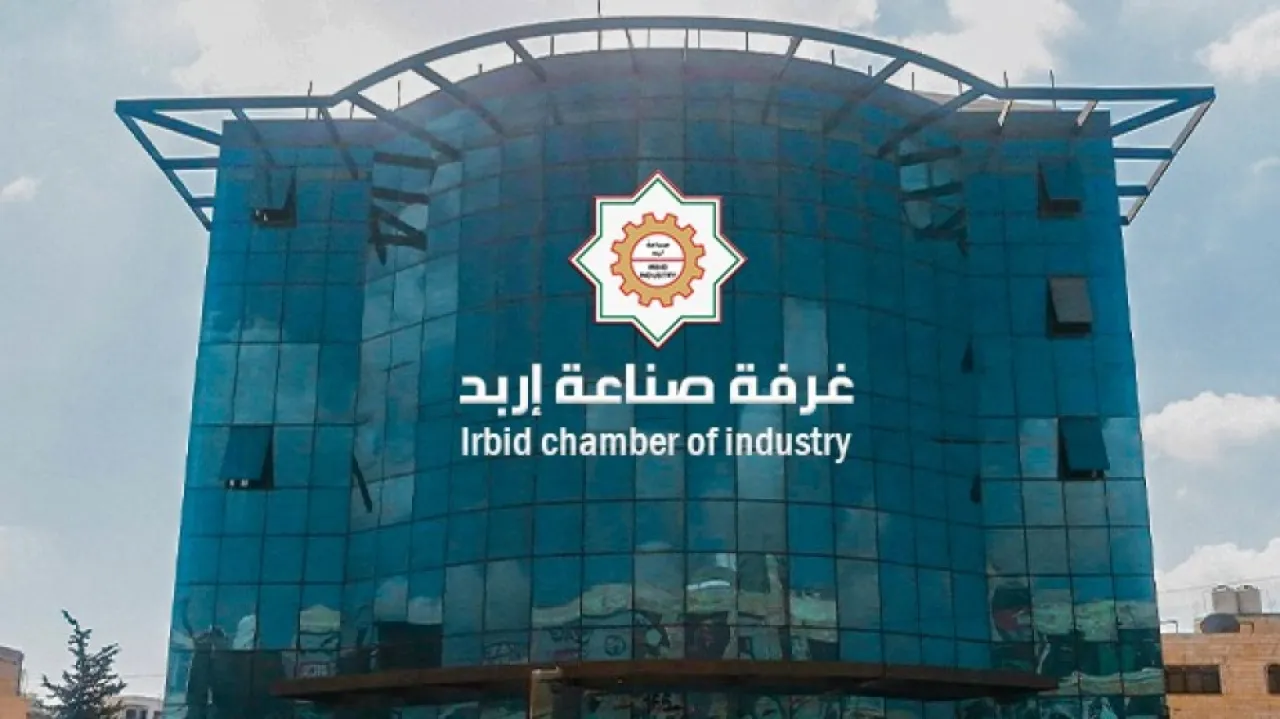
Khaberni - The total value of the origin certificates issued by the Irbid Chamber of Industry during last October amounted to approximately $80 million, reflecting a decrease of 20% compared to the same month of 2024, when the exports reached $100.2 million.
According to the chamber's statement, the number of origin certificates issued during the month reached 1,469 certificates, compared to 1,215 certificates in October of last year, reflecting an increase in the number of transactions, despite a decline in the total export value.
The decline in exports occurred due to a decrease in exports from main industrial sectors, notably the leather and textile sectors which were affected by a decrease in demand in the American markets following the recent decision related to customs tariffs, alongside a drop in exports from the packaging, paper, and cardboard sector by 43%, and the plastics and rubber industries sector by 27%.
Conversely, some industrial sectors achieved significant growth, as exports of construction industries increased about sevenfold, and exports of therapeutic industries and medical supplies rose by 49%, and chemical industries and cosmetics by 37%, reflecting a diversity in the performance of industrial sectors within the province.
The total exports of the chamber during the first ten months of the current year reached $948.9 million, compared to $940.1 million in the same period last year, recording an increase of 1%, indicating the ongoing resilience of the industry in the province and its ability to adapt to international economic changes.
The exports were geographically distributed mainly to the United States, which accounted for more than half of the total exports, followed by European countries with 10.7%, and then Arab countries with 8.4% of total exports.
The Al-Hassan Industrial City still holds the largest share of the province's exports at 95.6%, followed by the Cyber City area with 2.7%, where these two areas are main centers of industrial activity in Irbid and host local and foreign investments contributing to supporting the national economy and providing job opportunities.
Hani Abu Hassan, the President of the Irbid Chamber of Industry, said that the decline in export value during the month is mainly due to a decrease in exports from the leather and textile industries and the packaging sector, noting that the chamber is currently preparing a specialized analytical study to measure the impact of the American decision related to customs tariffs on the leather and textile industries in the province.
He added that the industrial sector in Irbid still represents a fundamental pillar of the national economy despite the current challenges, affirming that the chamber regularly monitors export performance, and collaborates with government agencies and partner institutions to open new markets and diversify the export base, enhancing the competitiveness of the Jordanian product and the sustainability of industrial growth.