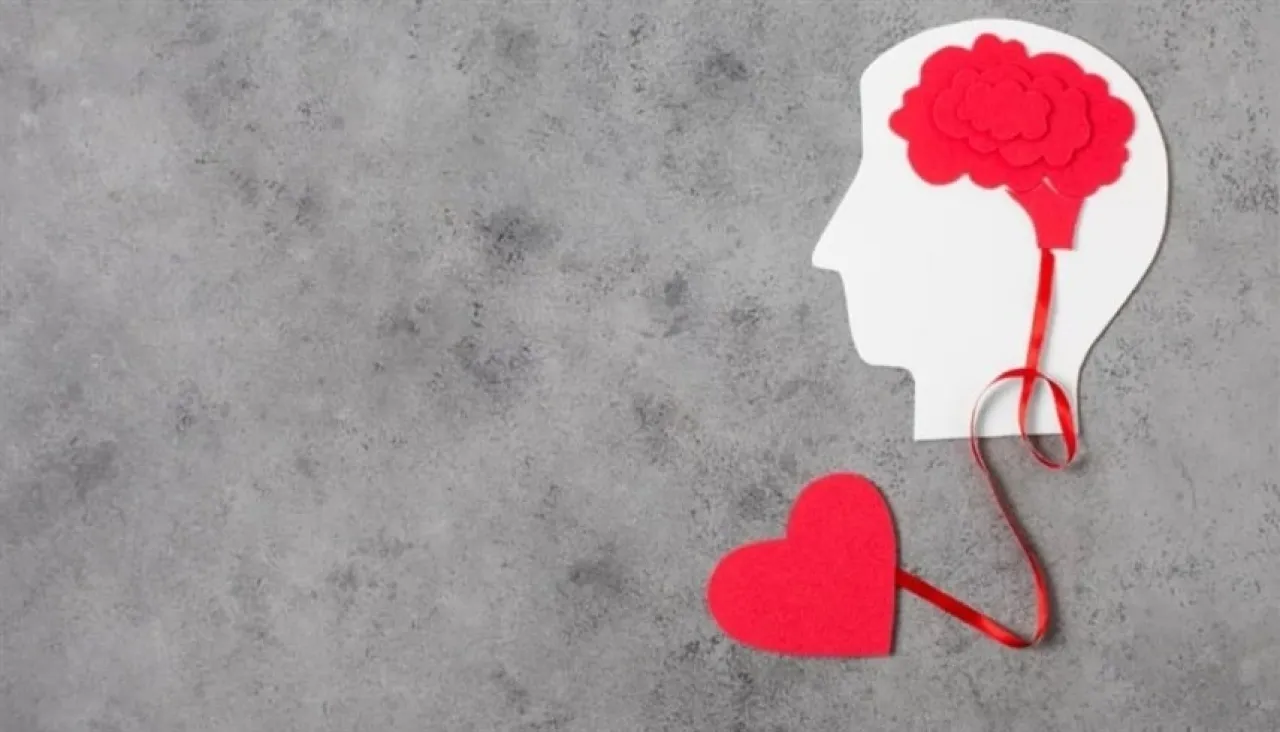
Khaberni - New research reveals the neural pathway that regulates the synchronization between heartbeats and breathing, and how the neurotransmitter called oxytocin, known as the love hormone, connects a part of the brain to the heart, potentially opening doors to new treatments for stress.
The natural variability in timing between synchronized heartbeats and breathing is described by the term respiratory sinus arrhythmia. It is known that synchronization between the heart and breathing is an indicator of heart health and the proper performance of the autonomic nervous system.
Heart failure and hypertension
Conversely, certain medical conditions such as chronic heart failure or high blood pressure are linked to poor synchronization between the heart and breathing (i.e., reduced respiratory sinus arrhythmia).
According to "Medical Express", while the health effects of respiratory sinus arrhythmia variability are well documented, the neural mechanisms linking breathing rate to heart rhythm have not yet been clearly elucidated.
Julie Buron and Amber Lenoir at Aix Marseille University conducted a laboratory study on mice, revealing the role of this neurotransmitter in regulating the rhythm of breathing with heartbeats.
The researchers studied how oxytocin secretion affects the synchronization between the animal’s heart and breathing, tracking how oxytocin-producing neurons affect other brain cells.
Relaxation and breathing rate
Using a series of imaging techniques and advanced experiments, the research team meticulously studied the neural mechanisms that could enhance relaxation and the speed of breathing and heart rate through this neurotransmitter.
It turns out that the neurotransmitter oxytocin regulates the synchronization of breathing and heart rate, through a newly discovered neural pathway that connects the hypothalamus, brain stem, and the heart.
These findings contribute to the development of new therapeutic interventions for recovery from stress, or may alleviate some symptoms of anxiety disorders.