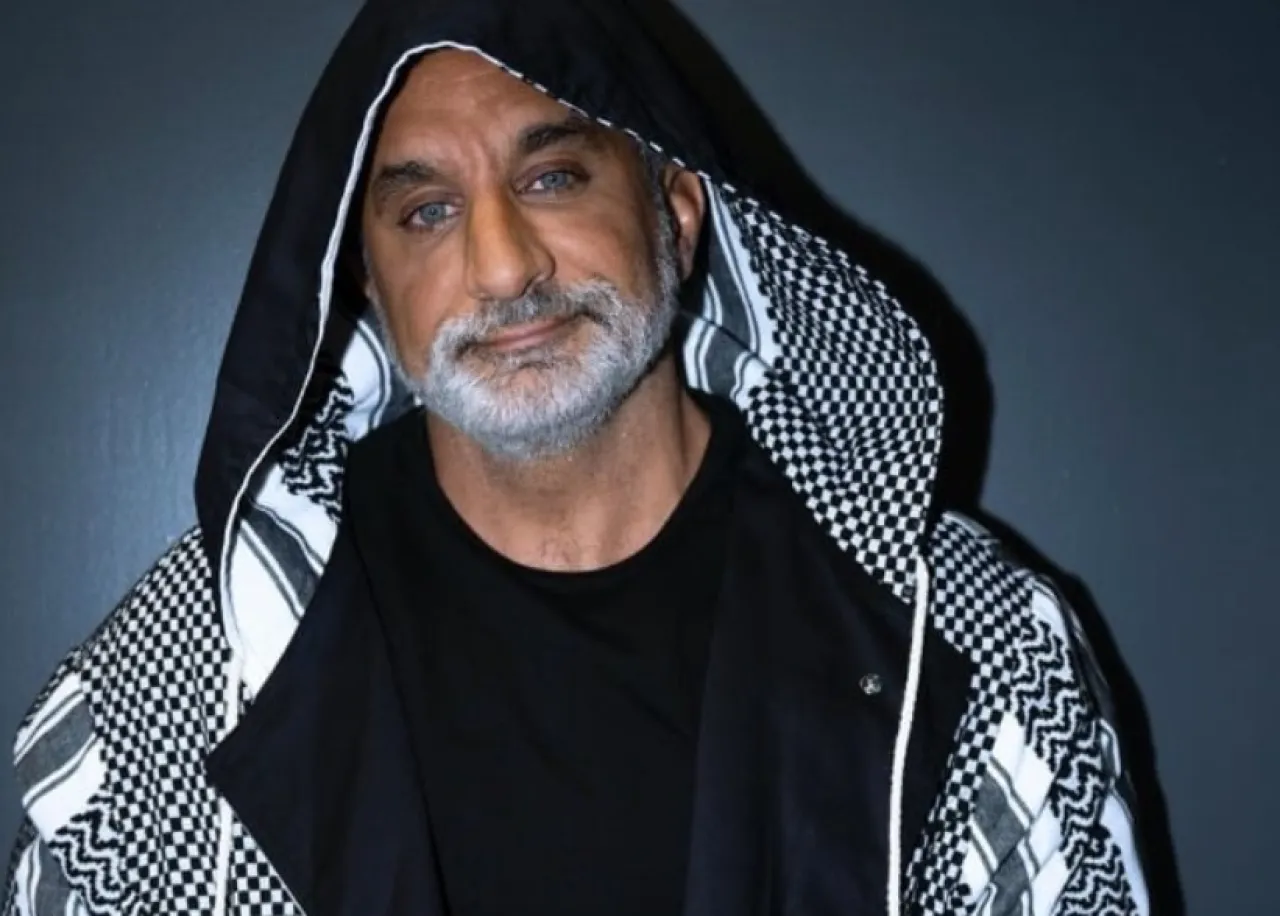
Khaberni - The Egyptian media personality Bassem Youssef confirmed that the technological progress witnessed in the contemporary world is not only a source of astonishment, but it also bears risks that affect human freedom and independence. He explained that societies have become captives to the digital world, paying the price of luxury and ease by compromising their privacy and individual freedom.
Youssef stated in television remarks that "With every step forward we take, we choose tools that make our lives easier, but in return, we pay a price in terms of our freedom and independence while being aware of this and accepting it."
He pointed out that the mobile phone is a clear example of this contradiction, as it has become a necessity that we cannot do without, yet it also serves as an open window to human privacy, adding: "We have paid a price in our secrets and privacy for the benefits that technology offers."
He explained that social media has provided individuals with a broad space for expression and facilitated communication, but it has also imposed new restrictions on thinking and behavior, considering that social media has great advantages, yet it costs human beings part of their freedom.
Bassem Youssef expressed his fears about the loss of truth in the digital age, confirming that technological advancement is no longer a cause for celebration, but has become a phenomenon with two faces, one of which is dark and dangerous, saying: "What technology has most affected is our relationship with the truth, and I fear that the internet might be the end of truth as we know it."
He added that the digital space has turned into a state of chaos, and there is no longer one truth, but multiple perspectives, even within the same society, which has created a general state of doubt and distrust, confirming that humans have not lost control to the machine, but have willingly compromised their freedom for comfort and ease.
In the same context, Bassem Youssef talked about his frequent bans on social media sites for posting certain phrases, noting that censorship peaked with the outbreak of the latest Israeli war on Gaza, when the "TikTok" app played a significant role in shaping global public opinion.
He clarified that the app was less subjected to censorship compared to other platforms like Facebook and Instagram, which allowed for the widespread distribution of pro-Palestine content, reaching about 90% of the published material during the first days of the war, which caused significant concern in American and Israeli circles.
Youssef explained that the United States and Israel exerted intense pressure on China, the owner of the app, under the pretext of data protection, while the real goal was to control the platform and limit its influence, noting that this pressure later led to stricter censorship of users who support Palestine, and the appointment of an Israeli official to supervise the content.
He added that the application eventually ended up in a sale deal to American businessman Larry Ellison, whom Youssef described as "the second richest man in the world and the biggest donor in the history of the Israeli occupation army."
Bassem Youssef concluded his talk by warning against blindly following the allure of technology, affirming that the tools created to make life easier are subsequently used to restrict humans and control their consciousness.