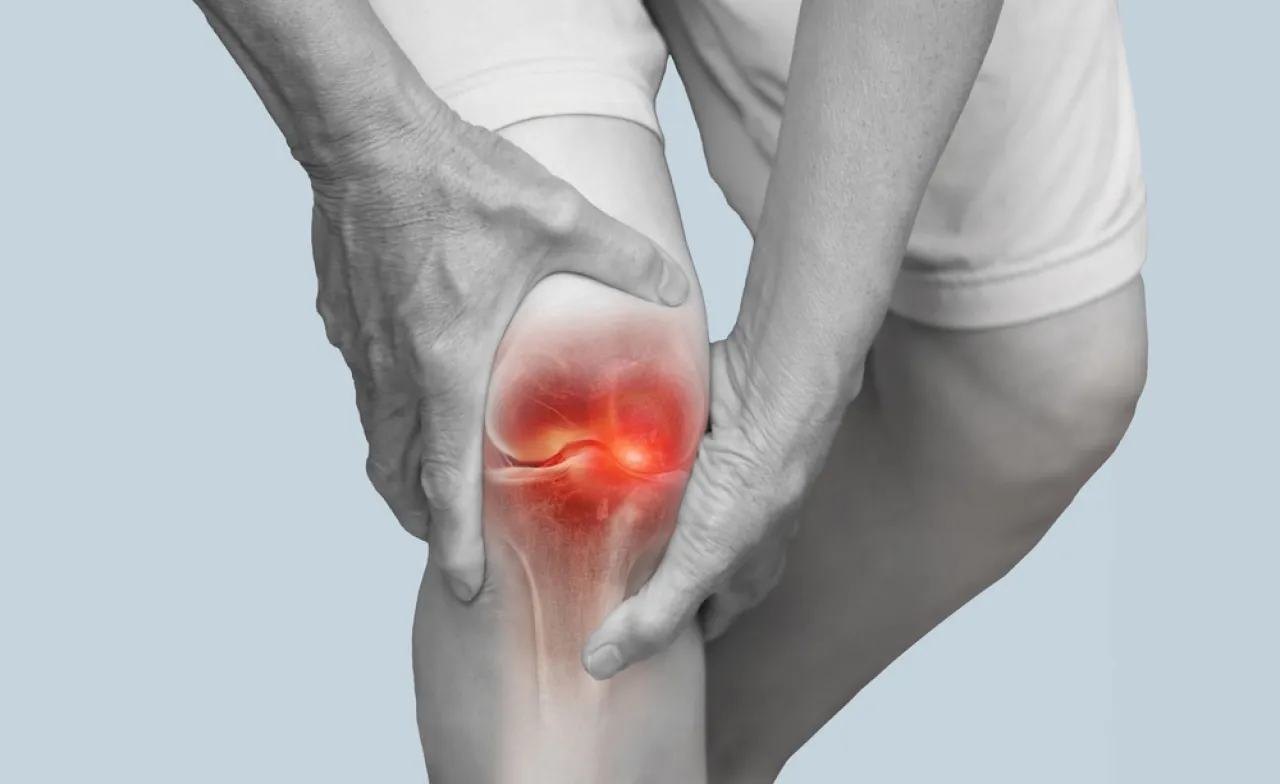
Khaberni - Joint pains increase noticeably during the winter season, especially among the elderly and patients with osteoarthritis and rheumatoid arthritis, where many suffer from stiffness and difficulty in walking due to the cold weather, making cold weather one of the most influential factors in increasing inflammations.
In this context, "El Consulto" explains the reasons for the increase in arthritis inflammation during winter, and ways to prevent it, according to Dr. Sherif Hetta, a public health and preventive medicine consultant.
Hetta explains that the drop in temperatures leads to the contraction of blood vessels surrounding the joints, reducing blood flow to them, thereby decreasing the amount of oxygen and nutrients reaching the tissues, increasing the sensation of pain and stiffness.
He continued: The synovial fluid, which aids in the smooth movement of the joint, becomes more viscous in the winter, making the joints less flexible and increasing the inflammation during movement.
Suffering from arthritis? - Information you need to know
Hetta adds that reduced activity during cold weather is a primary reason behind worsening joint pain, as many people tend to sit for long periods and avoid any physical activity, which leads to poor blood circulation, stiffness of muscles and joints, thus doubling the symptoms.
He also pointed out that weight gain in winter due to overeating fatty foods contributes to increasing pressure on the joints and exacerbating inflammation.
Preventing arthritis in winter He advised that maintaining warmth of the body and joints, especially the hands and knees, and ensuring regular light exercises such as walking or stretching to maintain joint flexibility and stimulate blood circulation.
You might be interested: Beware - 10 signs that reveal hidden inflammation in your body
He also emphasizes the importance of drinking sufficient amounts of water to keep the tissues and synovial fluid in the joint hydrated, and following a balanced diet rich in vitamin D, calcium, and omega-3 fatty acids found in fish and dairy products.