Khaberni - The Geologists' Union's decision to liquidate its retirement fund has brought the crisis in the retirement funds of professional unions back to the forefront, after it had been a sensitive subject worrying both union members and participants alike for years. The decision, executed at the will of the general body, reopened a file that has long occupied unions, amid financial difficulties faced by many that have prevented them from fully or partially securing retirement salaries.
The Geologists' Union formed a special committee to liquidate the fund, chaired by the deputy of the union and including six members of the union council, tasked with assessing the fund's situation and liquidating its assets from lands and properties in order to return the funds to the participants. This step has raised widespread questions in union circles about the future of other professional retirement funds facing similar financial conditions.
The Journalists' Union was the first in this field, having liquidated its retirement fund on two previous occasions, thus setting a precedent in the history of professional unions. As for the Doctors' Union, it currently pays only half the retirement salary due to the fund's inability to cover full obligations, while the Agricultural Engineers' Union adopts a system that dispenses 85 percent of the fund's revenues monthly as retirement salaries. In the Jordanian Engineers' Union, salaries are dispensed based on the situation; full salaries are given in cases of disability, half for widows and orphans, a quarter for non-practicing colleagues, while practicing members receive their dues if revenues are available.
A scenario emerges within the corridors of unions whose funds have faltered, which is deemed the most realistic at the current stage, providing for the legalization of the current mechanism for paying retirement salaries so that it becomes part of the official system adopted by the fund, due to it being the only feasible mechanism under the existing financial circumstances. This scenario, if officially adopted, as with other waste, might set a model applicable to other troubled funds in other professional unions, in an attempt to find practical and sustainable solutions that balance the funds' obligations with their limited financial capabilities.
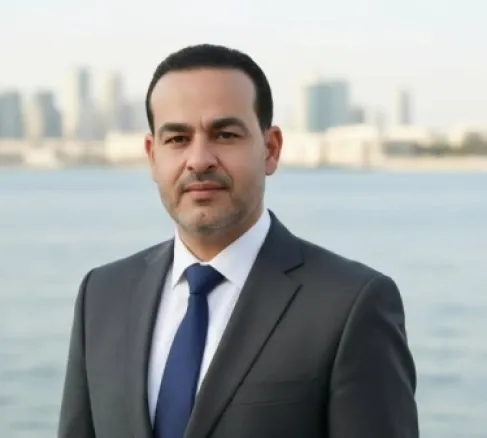
Amid these challenges, the Steering Committee for the Retirement Fund of Engineers at the Jordanian Engineers' Union continues its work to complete reviewing reports and files received from specialized teams, in preparation for its concluding meeting scheduled during the current month of October. This meeting, as confirmed by the Deputy of the Engineers' Union and the Committee Chair Engineer Ahmad Al-Falahat, will shape the next phase of the fund's reform process.
Al-Falahat clarified that all work teams have completed their tasks and have submitted detailed reports containing technical, financial, and administrative analyses and recommendations, noting that the current phase represents a pivotal station in the process of reforming the fund, and that the proposals presented reflect a realistic vision based on professionalism and transparency aimed at achieving financial sustainability and enhancing the fund's status as a solid national professional institution.
Al-Falahat also referred to the atmosphere of cooperation and integration that prevailed during the committee's work among experts, engineers, and unionists, enhancing the confidence in overcoming the crisis, confirming that the accomplishments made during the past period form a solid basis for launching towards a new phase characterized by transparency, integration, and justice for all retired and participating engineers, and that the future of the fund will be brighter if built on these efforts with a spirit of responsibility and partnership.