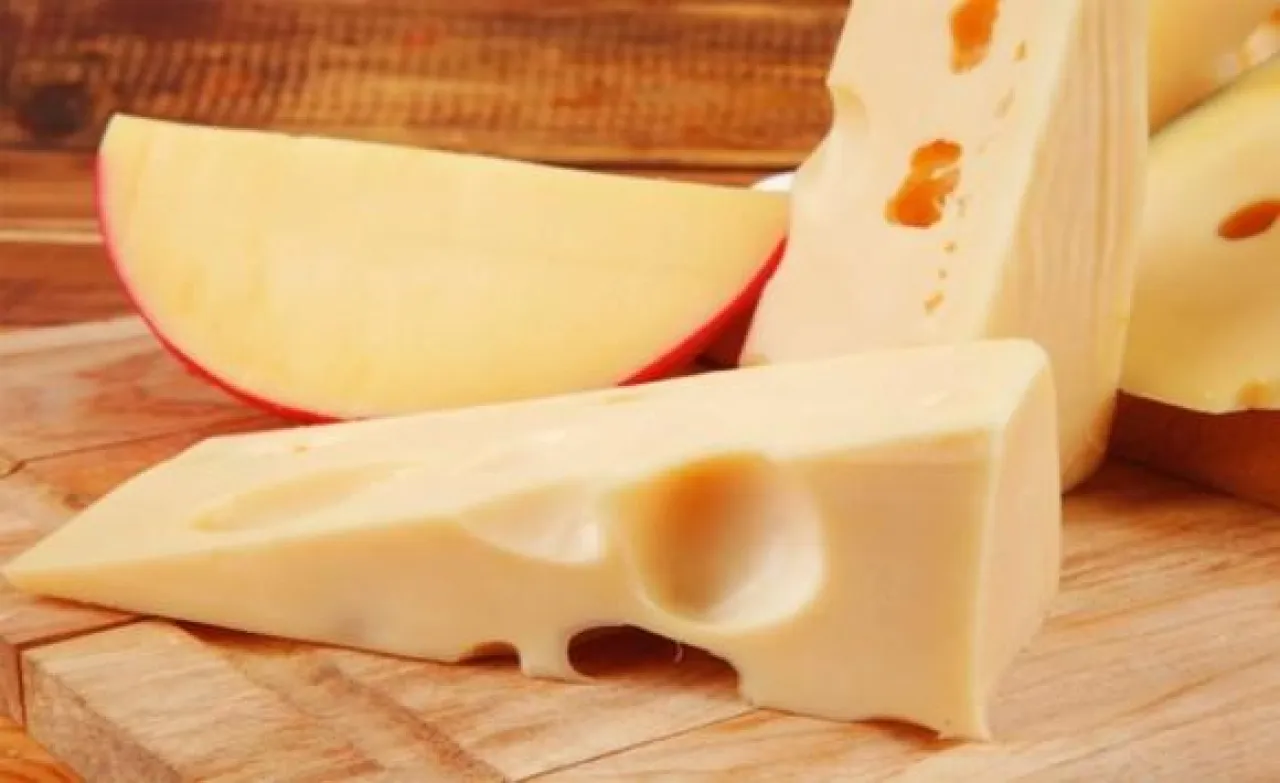
Khaberni - A number of experts have highlighted that incorrect storage of cheese quickly leads to the loss of its fresh flavor and affects the quality of different cheeses, reducing their nutritional value.
Jill Allen, Director of Product Excellence in Research and Development at Tillamook, explained that "the worst mistake you can make when storing cheese is to store different types together in the same package."
She said: "For example, if you put blue cheese with cheddar in the same package, the different yeasts and molds interact, and the cheddar becomes an ideal medium for feeding the blue mold bacteria."
According to Allen, it is always preferable to keep the cheese in its original packaging, sealing the open end with a rubber band after using what you need.
She added: "You can use alternatives like wax paper or cheese bags, as they provide an ideal environment for storing cheese."
Freezing: When is it appropriate?
Cheese can be frozen, but certain rules must be followed to maintain quality:
Avoid freezing large pieces of cheese, as it stops the aging process and changes the texture and flavor.
It is advisable to freeze only grated cheese, and use it later in cooking because it melts easily.
Hard cheeses can withstand freezing for up to two months, while soft cheeses like feta and cream cheese do not tolerate the same conditions, as they become liquid when thawed.
If the recipe requires a soft cheese, like in pasta sauce, it can be temporarily frozen to preserve it.