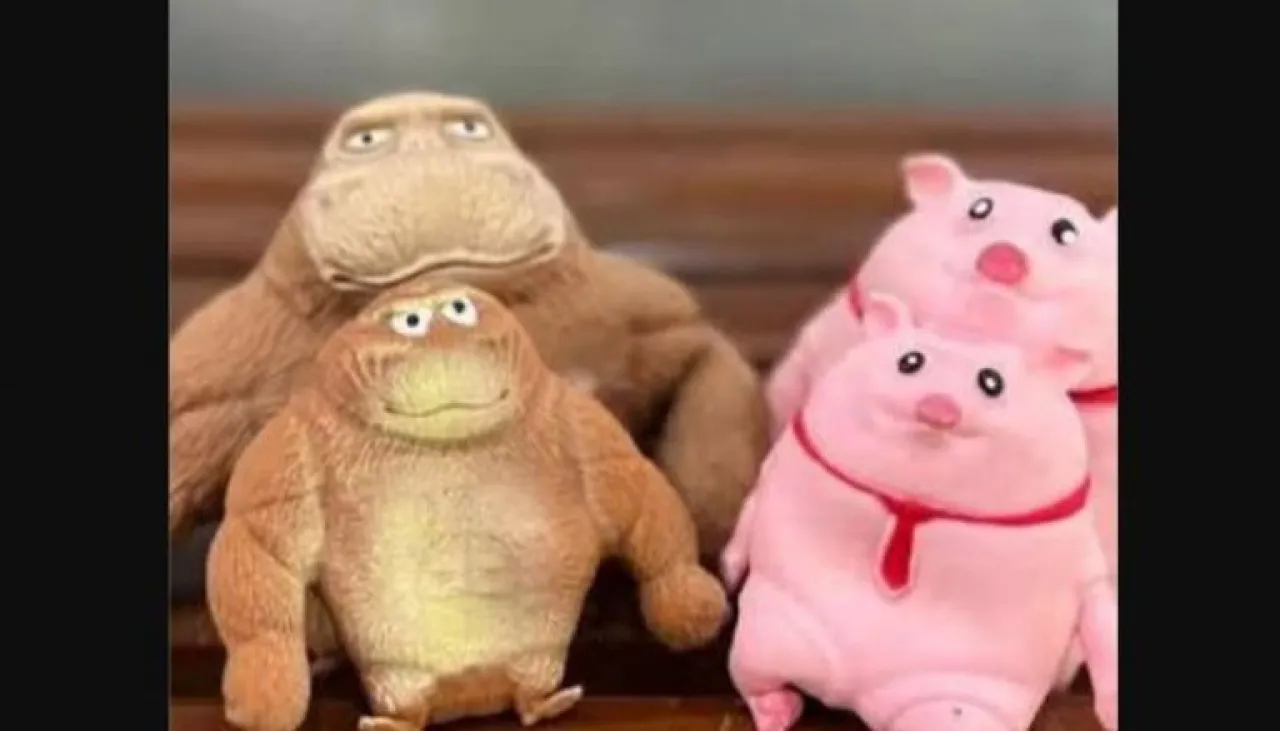
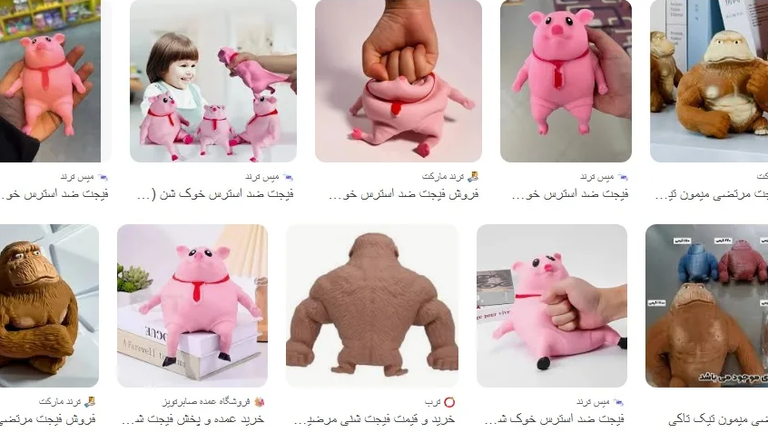
"Marziyeh" and "Morteza" are names of two plastic soft dolls, described as "anti-stress".
The dolls have become popular in the Iranian market, where they are sold in online stores. However, these dolls have turned into a new problem for their manufacturers and sellers, and a novel threat to the government in Iran.
The Tehran prosecutor's office announced on Monday that it has issued orders to the judiciary to "identify the elements behind the production, distribution, and promotion of the offensive dolls that insult the sanctities, and to prosecute them".
Iranian media suggested that the reason these dolls are described as "offensive" is their naming after religious figures, which has angered a group of fundamentalist users on social media.
These users felt that naming religious figures on dolls that are squeezed and kneaded by hands and used to discharge stress is a "breach of norms" and "an insult to Shiite sanctities", and demanded strict action against the producers and distributors.
The Revolutionary Guard-affiliated "Fars" news agency described this as a “desecration of the sacred names”, questioning, "Why weren't modern names used instead?"
On October 12, an online petition was launched to collect signatures against these dolls, and the signatories demanded the public prosecutor, the Minister of Culture and Islamic Guidance, and the head of internet police (FATA) to "immediately withdraw these dolls from the market, stop their production, hold accountable those responsible for this act, and prevent such occurrences in the future."
This approach raises the question: Why can even a simple doll turn into a cultural crisis in Iranian society?
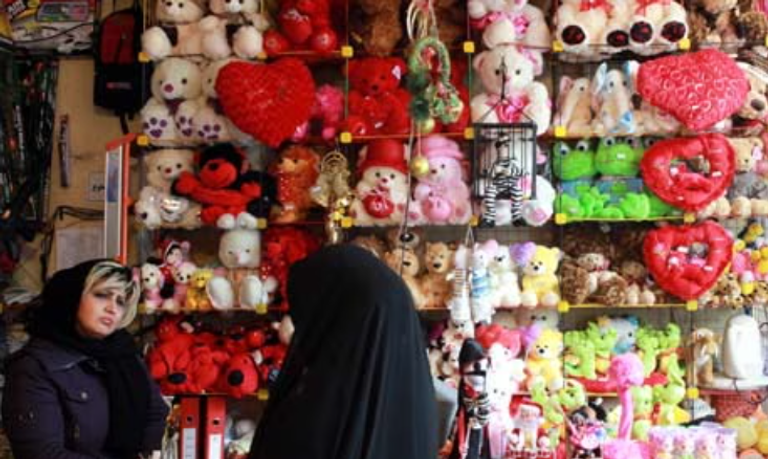
The Psychological Importance of Dolls
Some psychologists, like British Donald Winnicott, believe that a child's relationship with a doll is an extension of the emotional relationship with the mother, and can help manage fear, anxiety, and the need for security and peace.
"Elham," a psychologist living in Tehran, told London-based "Iran International" channel in Persian that she has noticed an increase in stress and anxiety levels and a feeling of loneliness among her clients in recent years. She believes that dolls like "Morteza" and "Marziyeh" if designed and presented correctly, can help alleviate daily anxiety and enhance the feeling of companionship.
She added, "In some cases, a doll can serve as a mediator between the individual and their emotions. When individuals get to touch these dolls or even keep them by their side, they open an outlet to release some of their negative emotional energy."
From Barbie to Morteza and Marziyeh
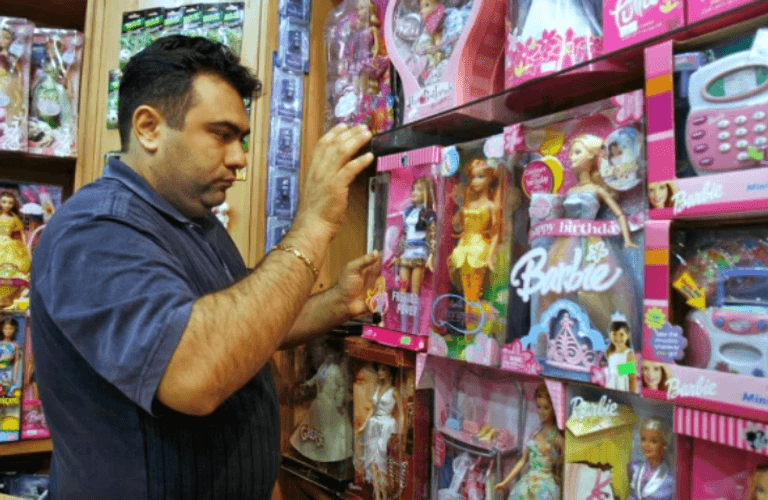
The Iranian authorities have dealt with dolls in a way that goes beyond them being just toys. The introduction of "Barbie" dolls to Iran in the first decade of the current century was met with fierce reaction by the authorities who considered them a threat to Islamic identity and a tool for spreading moral decay.
In 2011, Iranian media reported that the public place supervision police had issued orders to collect Barbie dolls from stores and banned their sale.
The authorities then sought to launch a cultural alternative, the "Sara and Dara" project. "Parisa," a 23-year-old woman from Mashhad, told "Iran International": "When I was a child, I adored Barbie. Many of my friends and classmates felt the same way. We dreamed of being like Barbie in a small beautiful free world, where we played creatively. Barbie was more than just a doll to us; it was a symbol of a world of freedom."
Dolls as a Mirror of Society
"Elham" sees that dolls, as much as they help children grow, can also reflect the collective psychological state of adults, and that the angry interactions with a simple inanimate object can be a reflection of internal fears.
From this perspective, the government's harsh reaction to "Morteza and Marziyeh" may stem from a deeper fear of losing control over society in issues such as the hijab and changing lifestyles among different segments of Iranians.
On the other hand, critics of this approach believe that the government, instead of repression and criminalization, should open the space for dialogue and education, and acknowledge society's capacity for creativity and free expression.