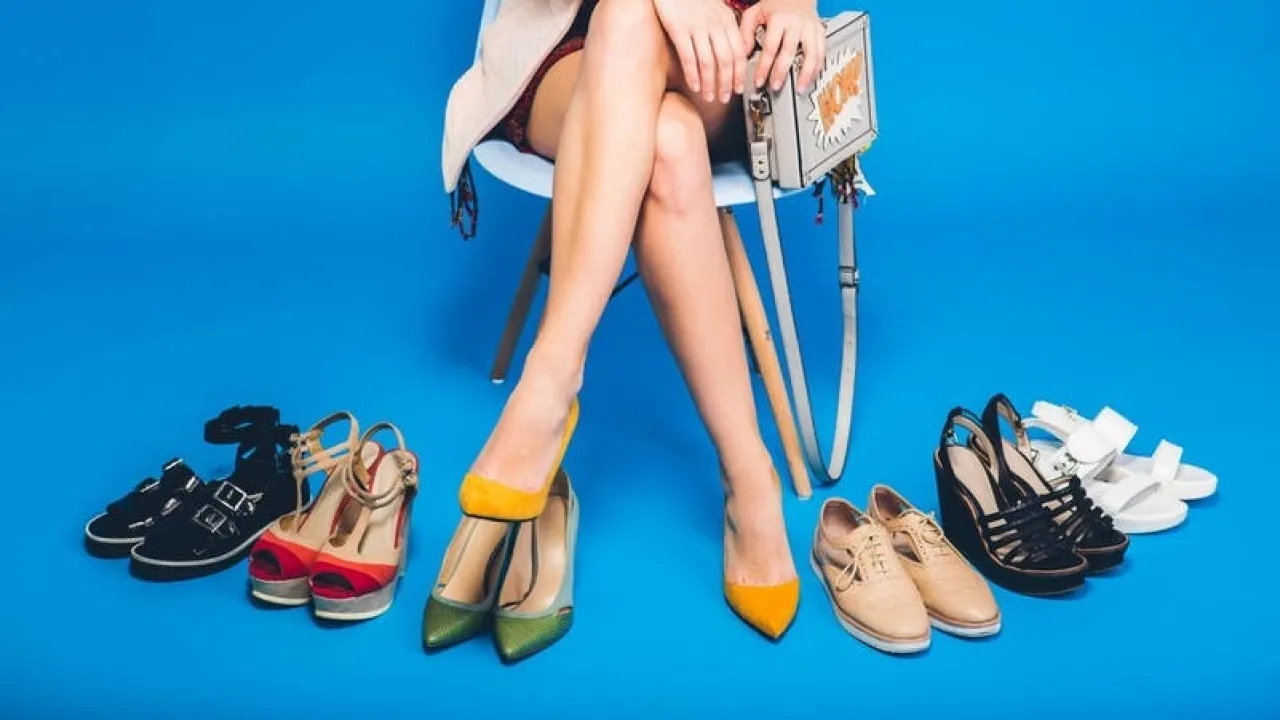
Khaberni - Choosing the wrong shoe can make you feel uncomfortable. But size alone is not the most important factor; the shape of the shoe can also affect the way you walk or stand. These are factors that can gradually cause foot pain, knee problems, and/or back issues. According to a report published by the "Times of India", choosing the right shoe can help reduce potential health problems.
Injuries and Deformities
Inappropriate shoes can cause injuries and deformities such as bunions, fractures, sprains, and hammer or claw toe deformities. When feet are not healthy, the whole body is affected. Conversely, choosing the right shoe shape means better posture and less pain. The good news is that selecting the right shoes is not difficult. Here is a simple guide to check if the shoe shape is suitable:
• Shoe Toe
A recent study on running shoes with raised toes showed that adjusting the shoe toe design helps prevent toe injuries. Research shows that narrow shoe toes increase pressure on the front of the foot and can lead to chronic foot pain. Tight shoes increase the risk of temporomandibular joint inflammation and hammer toes, whereas rounded shoe toes can prevent these risks. Look for shoes that provide enough space for toe movement and allow them to stretch naturally.
Heel Height
Studies have linked the use of high heels to an increased curvature of the lumbar spine, a type of spinal curvature, and decreased postural stability. High heels can tilt the pelvis and strain the lower back.
Completely flat shoes are not a good choice either, as they can cause severe strain on the Achilles tendon. The right shoe to look for is one with a low to medium heel height and a stable base.
Cushioning and Sole Stability
Cushioning refers to the materials of the midsole of a shoe. The midsole is designed to absorb shocks during activities such as running or walking. Research indicates that the type, density, and structure of midsole materials affect shock absorption. Choosing the right cushioning depends on the type of physical activity the person plans to engage in. For runners, shoes with dense cushioning can reduce impact force, diminishing the risk of injury. For walkers, shoes with moderate cushioning can provide comfort without compromising stability.
Fit and Flexibility
Flexibility simply refers to how easily a shoe bends. This bending allows for natural movement of the foot during activities, especially at the front of the foot. Research, especially among runners, shows that flexible shoes offer greater range of motion, enhancing efficiency. When selecting shoes, it's essential to consider both fit and flexibility. The shoe should wrap around the midfoot and heel without squeezing them.
Fundamental Criteria
To choose the right shoe, key factors like toe area, heel height, cushioning, sole stability, fit, and flexibility are important for maintaining healthy foot posture, reducing pain, and preventing injuries. By paying attention to these factors and selecting shoes suitable for activities and foot shape, comfort can be enhanced and long-term health problems can be prevented.