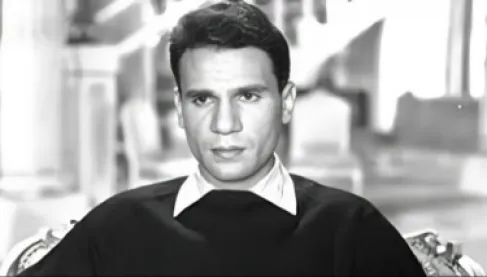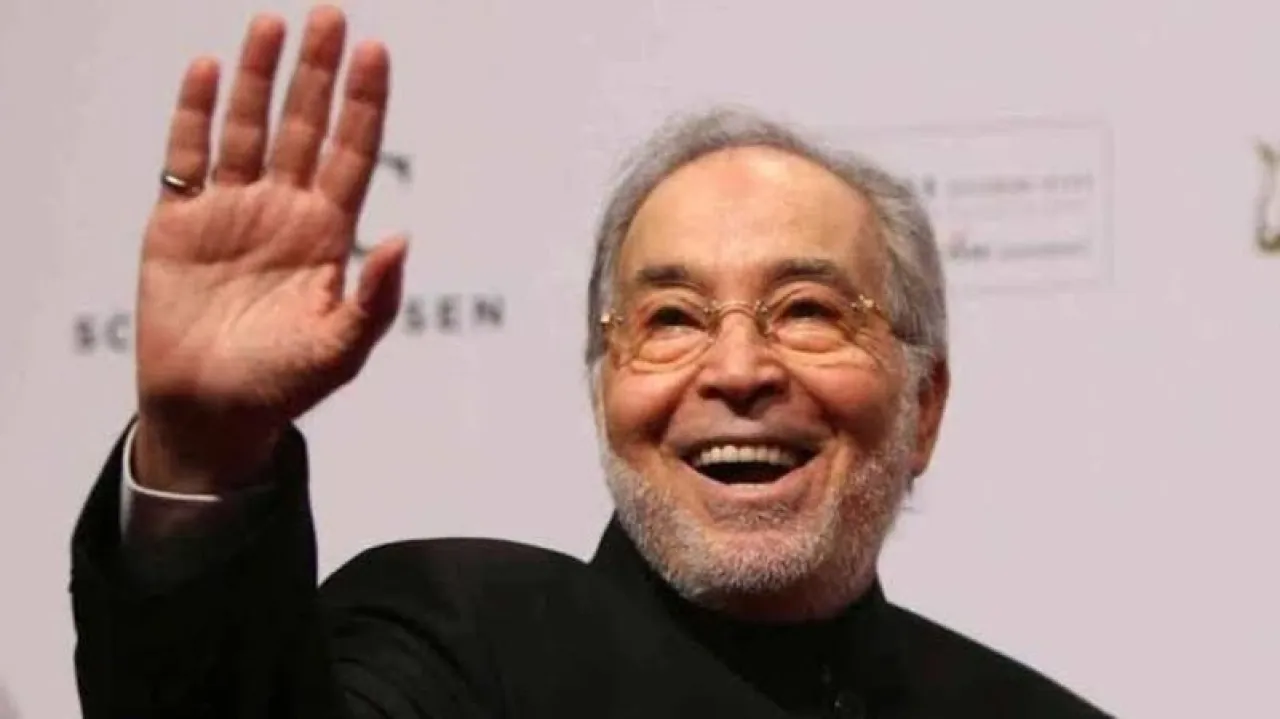
Khaberni - The artist Omar Hasan Youssef expressed his displeasure at the neglect of his father’s name, the great artist Hasan Youssef, in the accompanying video for the opening song of the Actors Guild’s Theater Festival, which was presented by the artist Tamer Hosny.
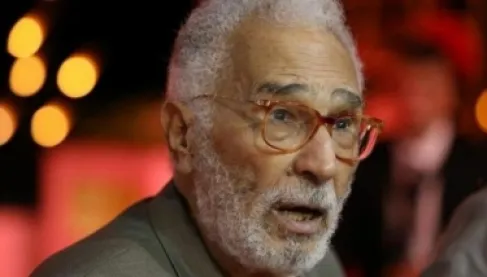
The video included archival footage of several icons of Egyptian theater and art who have passed away, yet the absence of Hasan Youssef's name caught the attention of observers and prompted his son to openly express his anger, indicating that this neglect reflects a clear deficiency in understanding the history of Egyptian theater.
Omar wrote on his official Facebook account: "With all due respect to Tamer Hosny's song presented for the Actors Guild Festival, the person who designed the video needs to review the history of Egyptian theater and art, and tell us where was Hasan Youssef in this video, or maybe they just don't see the significant role he played in Egyptian art, it's very strange and funny, you needed to study a bit more before making the song."
Omar pointed out that the absence of his father's name was not only surprising but "funny" to him, emphasizing that those who prepared the video should have reviewed the history of Egyptian theater icons before presenting it to the audience.
This criticism came hours after a similar objection voiced by director Adel Awad, son of the late artist Mohamed Awad, who also criticized the marginal appearance of his father for only a few seconds in the promotional video, despite his prolific theatrical career spanning over a hundred artistic works.
In contrast, the opening ceremony honored a number of artists who had been away from the limelight for years, among them the artist Diaa El-Merghani, whose health condition sparked widespread interaction, along with the artists Abdullah Mishrif and Sabri Abdel Monem.
This controversy has raised questions about the criteria for selecting honored or listed art icons in documentary materials presented on such occasions, amid calls for accuracy and fairness in documenting the history of Egyptian theater, ensuring that all its icons are fairly recognized without marginalization or omission.
It is worth noting that the festival is attended by more than a thousand artists, technicians, and administrators from various generations, offering 32 free theater performances to the audience in a festive artistic atmosphere aiming to revive the Egyptian theatrical stage.