Khaberni - Maintaining home cleanliness is an essential part of Turkish culture, a tradition passed down through generations, and therefore there are many secrets related to house cleaning passed down from Turkish culture. The following lines explain a guide to cleaning in Turkish homes, as well as hospitality methods, through some detailed steps, to achieve effective results.
Cleaning steps in the Turkish style are among the simplest matters to maintain house cleanliness according to the Turkish method. Removing shoes at the door is a practice highly regarded by Turks, applied by both homeowners and guests. Cleaning the house in the Turkish way includes:
Routine Task: Turks do not wait for their homes to get dirty; they regularly clean them to prevent the accumulation of dirt and dust. They do not limit the routine task to cleaning floors and surfaces only, but also include walls, ceilings, and even the curtains.
Using natural products for house cleaning: Turks often use natural cleaning products such as vinegar, lemon, and baking soda, noting that they are effective, environmentally friendly, safe for children and pets.
Maintaining kitchen cleanliness: In Turkish culture, the kitchen is considered the heart of the home, so Turks ensure their kitchens are clean. It is the place where they prepare food for their families, and they place importance on removing any spills or messes immediately to prevent them from becoming more difficult to clean later.
Attention to detail: Turks pay attention to the smallest details when cleaning their homes. They do not overlook any corner, and items such as floorboards, lighting units, and window sills.
Cleaning the bathroom in the Turkish style Before cleaning the bathroom in the Turkish style, gather the following supplies:
Multipurpose cleaner.
Disinfectant spray or wipes.
Toilet brush.
Glass cleaner or vinegar solution.
Baking soda.
Grout cleaning brush or old toothbrush.
Microfiber towels.
Rubber gloves.
Mop or steam cleaner.
Cleaning sponge.
Bucket.
Gathering cleaning supplies helps perform the task without interruptions caused by searching for cleaners, as well as achieves efficiency. For example, towels made of microfiber trap dust more effectively compared to paper towels, and a good toilet brush makes cleaning faster and more hygienic. If you wish to clean the bathroom without using harsh chemicals; try making a homemade mix of baking soda and vinegar, as it is one of the best natural mixtures for removing soap residue and mild mildew.
Before cleaning the bathroom also, it is necessary to remove the following items, in order to access each surface and corner without obstacles, and to prevent cleaning products from sticking to personal items: shake out the carpets outside to remove dust and debris, then put the used towels and shower curtains in the washing machine, and empty the drawers and shelves and wipe them. Take advantage of cleaning the bathroom to get rid of old or expired products.
Cleaning steps
Dust accumulates in every corner, especially in places that are often ignored. If you neglect to remove the dust before wet cleaning, the dust will scatter around you later. Therefore, use a microfiber towel or a dust wand with an extendable handle for high areas. The vacuum cleaner equipped with a suitable brush is in turn for the vents and tight corners. Sweep the entire bathroom floor to remove hair, dust, and fallen residues. And wipe the surfaces from top to bottom to prevent dust from falling on areas that have been cleaned, so you should always start from the top and then head downwards.
After applying cleaning products to every surface in the bathroom, leave them for some time (about 10 minutes), which allows the cleaning solutions to break down the dirt, soap residue, and stains more effectively, and be sure to apply a generous amount of toilet bowl cleaner. For tough stains or hard water deposits, use baking soda and vinegar for a natural and effective cleaning. While waiting, move on to cleaning the mirrors and glass.
If there is one area you do not want to neglect, it is the toilet. The best products to use in cleaning the toilet: a special cleaner with bleach or hydrogen peroxide, in addition to a spray or disinfectant wipes. Always use a separate cloth or cleaning wipe for the toilet, and do not reuse it on sinks or countertops.
Polish the mirrors and glass fixtures, using a microfiber towel dampened with a solution made from equal amounts of vinegar and water, to avoid leaving any traces. Wipe in a zigzag motion from top to bottom. Then, wipe with a dry towel to get a trace-free final touch.
Wipe the faucets and handles, and use an old toothbrush to clean the crevices where dirt accumulates. Rinse with warm water and dry with a clean towel to prevent water spots.
Water droplets, toothpaste stains, and soap residue can make your light fixtures look dull, regularly polishing them improves the overall appearance of your bathroom.
Arranging the home for guests in the Turkish style The Turkish furniture is distinguished by its high quality and unique design, such as large sofas and tables made of fine wood. When arranging the home to receive guests, no detail is overlooked, including complementary accessories, such as decorated pillows and elegant curtains, keeping the colors calm and comfortable to enhance relaxation and comfort. In this context, the soft colors like beige and cream, with touches of blue or green, create an atmosphere of calm and comfort. Also, smart storage is not overlooked i.e., using hidden drawers and cabinets to store tools and ingredients in an organized manner. In this context, pull-out units and vertical cabinets provide ample space and facilitate organized access to items.
Hosting in the Turkish style means warm welcome and enthusiastic greetings, often accompanied by sincere smiles and words, in addition to:
Generous hospitality represented by offering food and drink to guests more than they can consume, as a sign of respect and care. From rich Turkish coffee to delicious kebabs, every dish and drink is prepared with extreme care, adding a touch of local tradition.
Attention to comfort: Turkish hosts ensure the comfort of their guests and do their utmost to meet their needs.
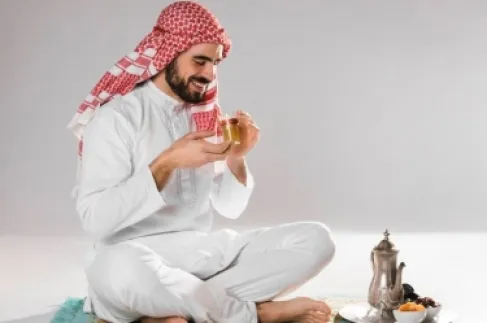
Turkish tea: Turkish tea is served in small tulip-shaped cups, an essential part of hospitality, its warmth and fragrant smell invite relaxation and connection.
Turkish coffee: Turkish coffee is famous for its rich flavor and unique preparation method, often served with sweets, making it an integral part of any visit.
Culture of giving gifts: Giving without expecting anything in return strengthens bonds of friendship, and is an essential aspect of Turkish hospitality. In this context, some small gifts, like handcrafted items and Turkish delight, or even simple souvenir gifts, embody the generous spirit that prevails in Turkish society.