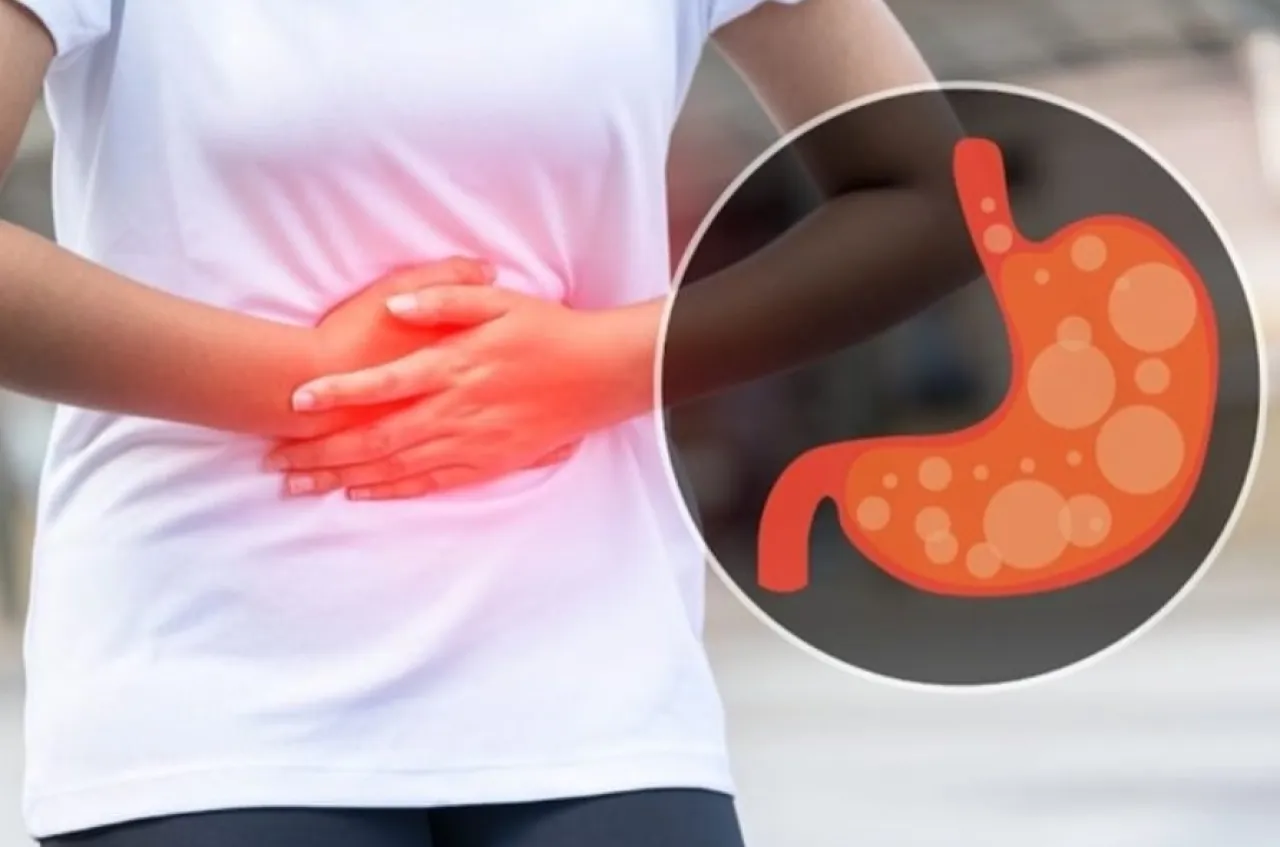
Khaberni - Gas or bloating is a natural part of digestion, and it occurs when swallowed air or gases produced by intestinal bacteria move through the intestines, exiting the body.
Typically, people release flatulence or gases between 5 and 15 times a day.
1. Swallowing Air
According to "Free Will Health", air swallowed during eating and drinking is a common cause of gas in the belly. It happens when chewing quickly, sipping through a straw, or talking while eating. If the air is not burped out, it moves through the digestive system and is eventually released as intestinal gases.
2. High Fiber Foods
Although fibers are essential for gut health, they are also fermented by colon bacteria, which produces gases as a byproduct.
Among high-fiber foods, beans, broccoli, cabbage, cauliflower, lentils cause more gas than others.
3. Lactose Intolerance
For those who are lactose intolerant, dairy products may have the same effect as fibers. If the body does not produce enough lactase, the enzyme that breaks down milk sugar, lactose moves into the colon, where bacterial fermentation occurs, causing bloating and flatulence after consuming dairy products like milk, cheese, yogurt, or ice cream.
4. Artificial Sugars
Sugar-free products can sometimes cause additional gas. Such as sugar alcohols, polyols, which are low-calorie sweeteners, are only partially absorbed in the small intestine. The part that is not absorbed moves to the colon, where it is fermented by intestinal bacteria, producing gases, including erythritol, hydrogenated starch hydrolysates, isomalt, lactitol, mannitol, and sorbitol. Artificial sugars like saccharin, aspartame, and xylitol do not cause gas.
5. Imbalance in Gut Microbiome
The trillions of bacteria in the intestines play a significant role in the gases they produce. When the gut microbiome is balanced, digestion proceeds more smoothly. However, if this balance is disrupted due to antibiotics, dietary changes, or illness, the frequency of gas release or its foul smell may increase.
6. Digestive Disorders
Sometimes, the gas is not just due to a dietary issue. Conditions like irritable bowel syndrome, celiac disease, or bacterial overgrowth in the small intestine can cause excess gases. These conditions affect food digestion and absorption, potentially making gas release more frequent and troublesome.
7. Hormonal Changes
Hormones also affect the movement of food through the intestines. Changes during menstrual cycles, pregnancy, or menopause can slow down digestion and increase bloating. Elevated levels of the hormone progesterone during pregnancy or before a menstrual period can relax the smooth muscles in the digestive system, slowing the movement of food and causing gas.
Consult a Doctor
Most bloating is harmless, but sometimes it may indicate a problem, prompting a consultation with a doctor if the gas is new, severe, or accompanied by weight loss, abdominal pain, blood in stool, or changes in bowel movements. Also, a total absence of gas release, especially when coupled with stomach pain or bloating, can also be a reason to seek medical care.