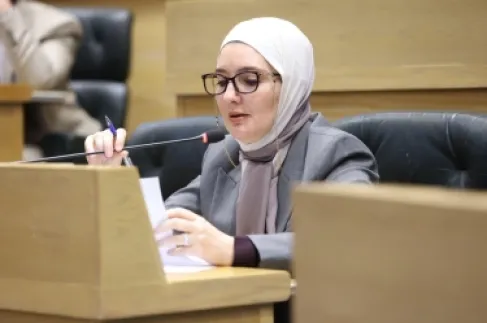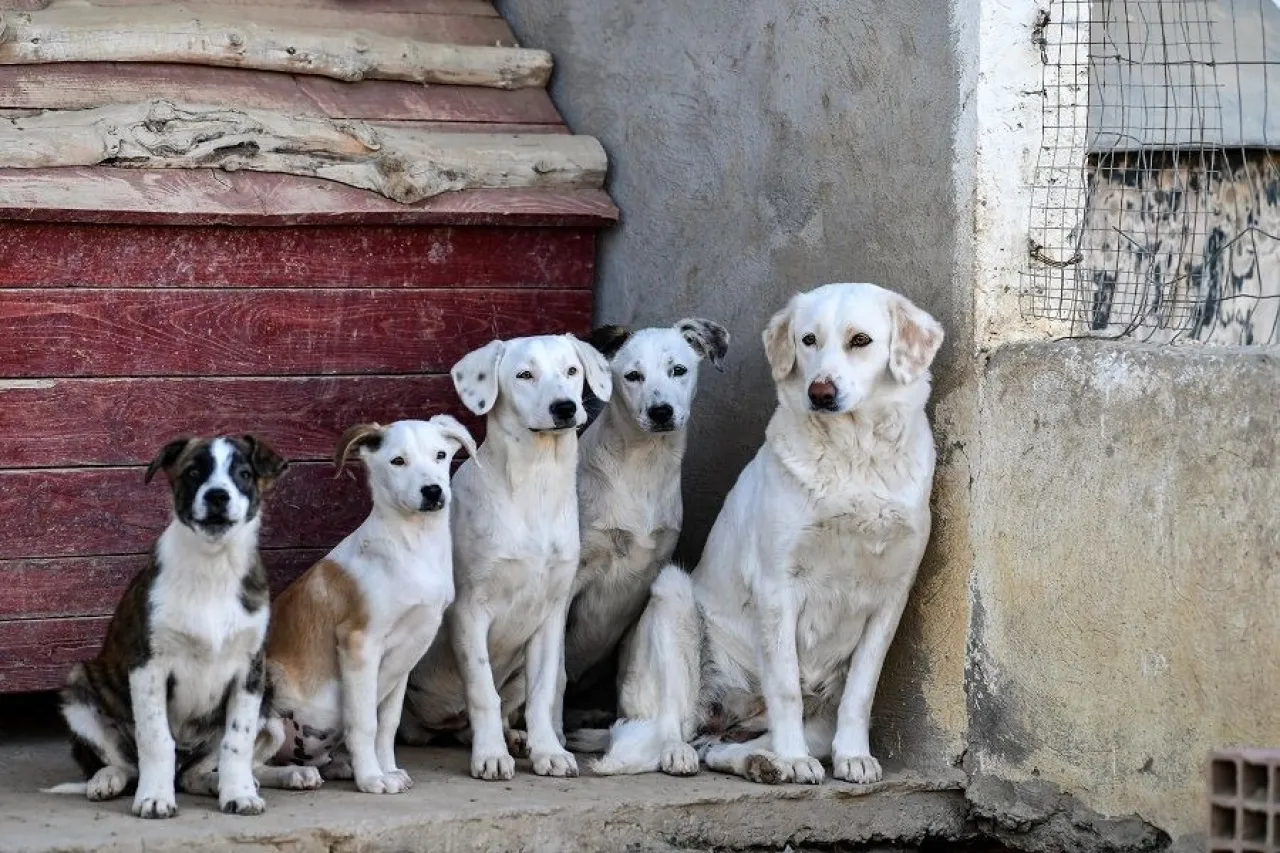
Khaberni - Deputy Bayan Al-Muhasiry addressed a question to the Prime Minister regarding the spread of stray dogs in various streets of the kingdom.
Al-Muhasiry inquired about the treaties and agreements related to stray dogs that Jordan has signed, the justifications for signing them, the obligations they entail, and the benefits achieved from them.
She also requested an explanation of how the government dealt with a recent case where a Jordanian citizen in Khalidiya, Sahl neighborhood, Mafraq Governorate (referring to Omar Odah Al-Boushi) died from rabies after being bitten by a stray dog.
She further asked who bears the responsibility for this citizen's death and the impact on his family? And, will the government compensate the family and pay the blood money of the victim bitten by a dog, from the proceeds of signing the agreement that prohibits killing dogs?
Her questions also included what measures the government has taken to deal with such an incident expected to happen in the future as long as the phenomenon has not been addressed? Especially with the onset of winter and the lack of change in winter time?
Following is the text of the parliamentary question:
His Excellency the Speaker of the House of Representatives
Peace, mercy, and blessings of Allah be upon you.
Subject: Spread of stray dogs in the streets of the kingdom.
In accordance with the provisions of Article (96) of the Constitution, and pursuant to the provisions of Article (123) of the Internal Regulations of the House of Representatives, please address the following question to the esteemed Prime Minister.
The text of the question:
1. What are the treaties and agreements related to stray dogs that Jordan has signed and ratified, what are the justifications for signing them, what nature of obligations are they associated with, what are the benefits derived, how much funding and aid are connected to them, what are the spending areas for them, who specifically benefits from them, and how has the implementation of these obligations affected the state budget and the citizens? And does the government conduct an evaluation of these impacts, and what are the results of these evaluation processes?
2. What are the alternative procedural policies to killing stray dogs that the government adopts to protect citizens from the risk of bites and to prevent their breeding and spread in the streets and neighborhoods of the kingdom? How effective are these measures and what are their failure reasons? Who are the official and community parties related?
.3 How many cases have been exposed to bites by stray dogs in Jordan, what are the procedures for treating these cases, and how much does the average treatment cost per case?
4. How did the government deal with the case of the recent death of a Jordanian citizen in the Khalidiya, Sahl neighborhood, Mafraq Governorate (Omar Odah Al-Boushi, due to rabies after being bitten by a stray dog)? Who is responsible for the death of this citizen and the impact on his family? Will the government compensate the family and pay the blood money for the victim bitten by a dog, from the proceeds of signing the agreement prohibiting the killing of dogs? What measures has the government taken to deal with such an incident expected to occur in the future as long as the phenomenon has not been addressed? Especially with the onset of winter and the lack of change in winter time?
I kindly request you provide me with the answers supported by documents if available.
Please accept all respect,
Representative Dr.
Bayan Fakhri Al-Muhasiry