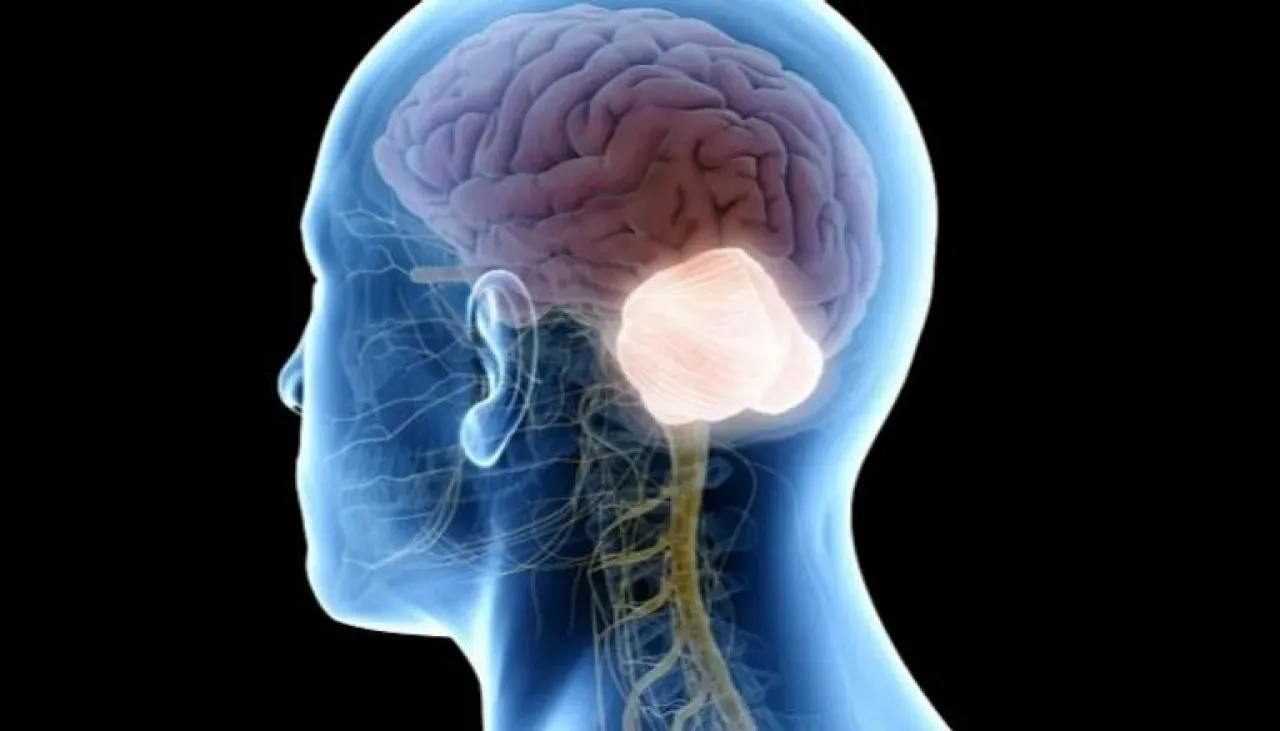
Khaberni - Doctors warn about the repeated feelings of anxiety accompanied by dizziness or vertigo episodes, as these may be the early signs of a benign brain tumor known as an acoustic neuroma (Acoustic Neuroma) or "Vestibular Schwannoma", which is a tumor that grows on the nerve responsible for hearing and balance.
Although this tumor does not spread to other parts of the body like cancerous tumors, over time it can lead to hearing loss, ringing in the ears, dizziness, and balance issues, according to the British newspaper "The Sun".
Benign Tumor
The vestibular schwannoma is a benign tumor, but it slowly develops on the nerves that control hearing and balance and as its size increases, symptoms gradually begin to appear, including hearing loss in one ear, persistent ringing, and balance difficulties.
Vertigo is one of the most common and bothersome symptoms; patients feel as if everything around them is spinning, a symptom that varies in intensity from one patient to another.
In this context, a study published in the JAMA Otolaryngology - Head & Neck Surgery journal indicated that anxiety might exacerbate the symptoms of dizziness in patients with tumors.
The study, conducted in the United States, included 109 adults diagnosed with the tumor between 2004 and 2025, who had not undergone any treatment during that period. All participants completed questionnaires to measure anxiety levels and the severity of dizziness, while researchers reviewed their medical records to monitor any medical history associated with anxiety.
Researchers found that patients with a history of anxiety suffered from more severe dizziness and scored higher on the "Dizziness Handicap Inventory", a scale used to determine the impact of dizziness on daily life.
Washing hair and massaging the scalp are among the most anticipated relaxation moments during a salon visit, however, doctors warn that this simple step might involve a rare but serious health risk.
According to the study results, each additional point on the anxiety scale corresponds to a 2.6-point increase in dizziness scores, indicating a strong correlation between the psychological factor and the severity of physical symptoms.
Anxiety Exacerbates Dizziness
For his part, Tyler Wilson, one of the study's authors from the University of Washington, stated: "It has been proven that psychological disorders affect episodes of dizziness in patients with vestibular system diseases. While previous studies have linked anxiety and dizziness, our study is the first to focus on this connection."
Treatment
The treatment for vestibular schwannoma depends on its size and growth rate. In many cases, doctors rely on regular monitoring using imaging. If the tumor grows larger, surgery is resorted to, possibly followed by radiation surgery to prevent the growth of any remaining tissues.
Although operations are successful in removing the tumor in most cases, statistics indicate that one in every twenty patients may suffer from a relapse, and symptoms such as hearing loss and tinnitus may continue even after treatment.
Thousands of Cases Annually
According to health data, more than 12,000 brain tumor cases are recorded annually in Britain, about half of them cancerous. The vestibular schwannoma typically affects adults aged between 30 and 60 years and often appears without a clear cause, while a limited number of cases are linked to a rare genetic disorder known as Neurofibromatosis type 2 (NF2).