Khaberni - Abdullah Ghosheh, the head of engineers, stated that the expiration of the decade-long warranty for buildings, set at ten years from the date of their construction, places direct responsibility for the building's safety and maintenance on the owner or group of owners.
Ghosheh added in a press statement on Tuesday that this is in accordance with the provisions of the Jordanian Civil Law, which holds the engineer and contractor responsible only during the first ten years, the "decade-long warranty," after which the responsibility shifts to the owner.
Ghosheh explained that this legal rule means that the end of the warranty period relieves the designer and the executor from any subsequent obligations and obliges the owner to maintain the building and address any defects or hazards that may arise over time.
Ghosheh emphasized that the recurring questions about old buildings highlight the need for greater awareness among owners of their legal and technical duties.
According to Article (788) of the Jordanian Civil Law, the engineer and the contractor guarantee against any complete or partial collapse of the building, or any defect that threatens its durability and safety, within 10 years. After this period, their legal responsibility ceases, and the safety and preservation of the building fall solely within the scope of the owner's responsibility.
It is noted that the number of buildings in the kingdom that have exceeded this legal decade is estimated at around 800,000, a figure that underscores the importance of owners committing to regular maintenance and technical inspections to safeguard lives and property.
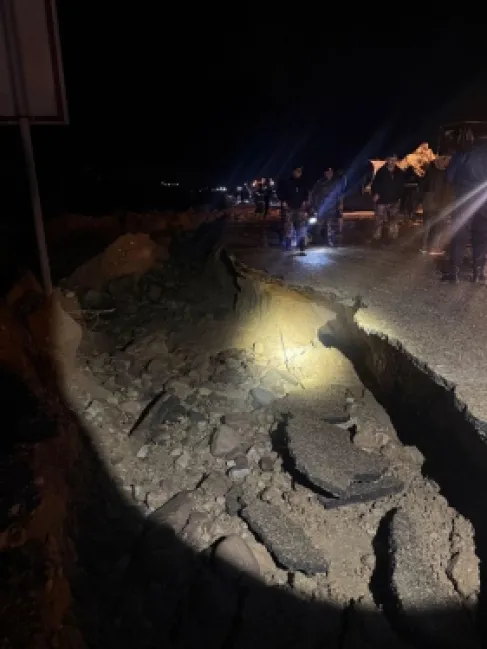
Field incidents such as the collapse of the Luweibdeh building, constructed in the 1950s, underscore the severe risks of neglecting maintenance after the warranty period has ended.
Ghosheh pointed out that some regions have experienced multiple incidents and complaints over the recent years that have reached administrative rulers, related to technical problems in a number of buildings older than ten years. In some cases, official bodies were forced to evacuate old buildings to ensure the safety of the residents, reflecting a pressing need for regular monitoring of building conditions and not leaving them prone to deterioration without treatment.
According to Ghosheh, the importance of regular maintenance of buildings and attention to early technical indicators such as water leakage, the presence of cracks in walls and ceilings, or any technical defects that may affect the building's durability and safety are significant. Neglecting these small details could lead to significant structural problems over time, whereas early treatment helps extend the building's lifespan and maintain the safety of residents and property.
Ghosheh added that the real estate ownership law clearly organized the responsibility for the safety of shared parts in the property, through the establishment of associations or unions of owners from the date of property purchase. The management of the shared sections is entrusted to the owners' association, which establishes an internal system defining the mechanism for utilizing shared benefits such as land and parking, provisions for constructing the property that has been destroyed or demolished, in addition to mechanisms for insuring these benefits.
He mentioned that the management system for the shared section in the property and the real estate complex number (89) for the year 2020 and its amendment with the modified system number (23) for the year 2025 granted the owners' association a juridical personality and an independent financial liability, and defined the tasks of its board of directors, including maintaining shared sections and infrastructure, sustaining services, and addressing any encroachments, in addition to obliging the association to insure against risks of destruction or fire to ensure repair or rebuilding of shared sections.
He clarified that the system also defined the powers of the administration, the mechanism of owners' meetings, decision-making and financial management, and arranged penalties for non-compliant owners.
It also clarified the limits of the real estate developer's (housing company) responsibility for building safety and warranty of defects during the specified period.