Tell me - Dr. Olga Guseva, an associate professor in the Department of Therapeutic Dentistry at Pirogov University, points out that the bacteria causing gum disease can lead to heart muscle inflammation and other health problems.
According to her, the most common dental diseases are dental caries and periodontitis (inflammation of the tissues surrounding the tooth). The main reason for this is microorganisms, the most aggressive of which are Porphyromonas gingivalis, Aggregatibacter actinomycetemcomitans, Tanerella forsythia, and others.
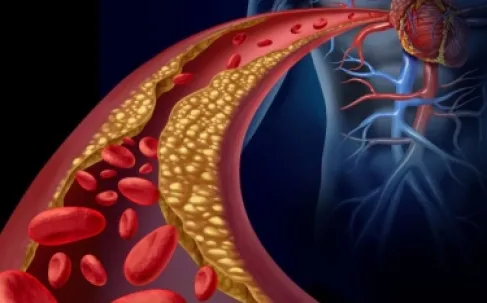
She says, "The bacteria causing periodontal disease destroy the gum tissue, allowing them to penetrate the bloodstream and spread throughout the body. These bacteria and their byproducts reach the heart, kidneys, and other organs through the bloodstream, and can settle in the plaques of arteriosclerosis in the blood vessels and heart, causing inflammation, including inflammation of the heart muscle. The presence of these bacteria in the bloodstream can significantly increase the risk of ischemic disease."
The bacteria found in periodontal disease can also contribute to the development of diabetes, pyelonephritis, rheumatoid arthritis, Alzheimer's disease, cancer of the oral cavity, esophagus, and intestines, and can also cause miscarriages.
She adds, "Good oral hygiene is the most important factor in preventing periodontal disease. Therefore, it is very important to ensure comprehensive dental hygiene, which is not limited to using a toothbrush and toothpaste alone but also includes using special products to clean the spaces between teeth and the lateral surfaces of teeth (toothbrush, dental floss, water flosser), and the dentist should choose these tools for each person according to their characteristics."