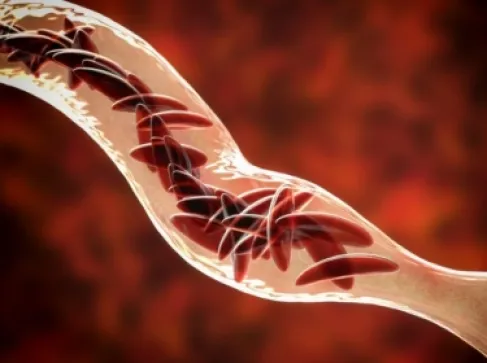
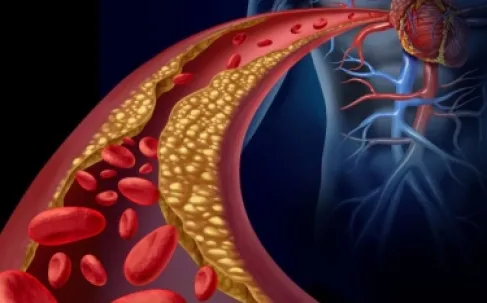
In an alert that sparked widespread interaction on social media, renowned American nutrition expert Molly Pelletier urged not to ignore frequent coughing after eating, warning that it might be an early indicator of a hidden health condition known as "silent reflux," which is linked to an increased risk of throat, esophagus, and thyroid cancers.
Laryngopharyngeal Reflux (LPR) affects nearly a quarter of adults and occurs when stomach acid sneaks into the throat or respiratory system without the traditional symptoms of acidity.
Key signs include:
Coughing after eating
Persistent throat clearing
Hoarseness
Feeling of a "lump" in the throat
Increased mucus production
Excessive burping
The greatest risk.. The silence of symptoms!
The danger of this condition lies in its "silence," leading to delayed diagnosis and increased chances of complications.
Studies have shown that 28% of laryngeal cancer patients were suffering from chronic reflux without their knowledge.
Coughing is not a trivial symptom
In a video that garnered over 8.6 million views on "Instagram," Pelletier emphasized the danger of ignoring the symptoms, saying: "Coughing after a meal is not a minor symptom, but an attempt by the larynx to protect itself from stomach acids."
How to protect yourself?
The expert provided a set of effective tips for preventing complications:
Avoid eating before sleeping by two to three hours
Limit acidic foods such as tomatoes and lemons
Stay away from caffeine, fizzy drinks, and alcohol
Eat slowly and chew well
Reduce psychological stress
Avoid excessive throat clearing
When should you visit a doctor?
The British National Health Service (NHS) advises visiting a doctor immediately if symptoms persist for more than three weeks without improvement, especially in cases of chronic cough or hoarseness.
Treatment options:
Doctors diagnose this condition using a scope to examine the larynx and esophagus. Treatment options include lifestyle changes, antacid medications like Gaviscon and Rennie, quitting smoking, and in advanced cases, surgical intervention may be required.