



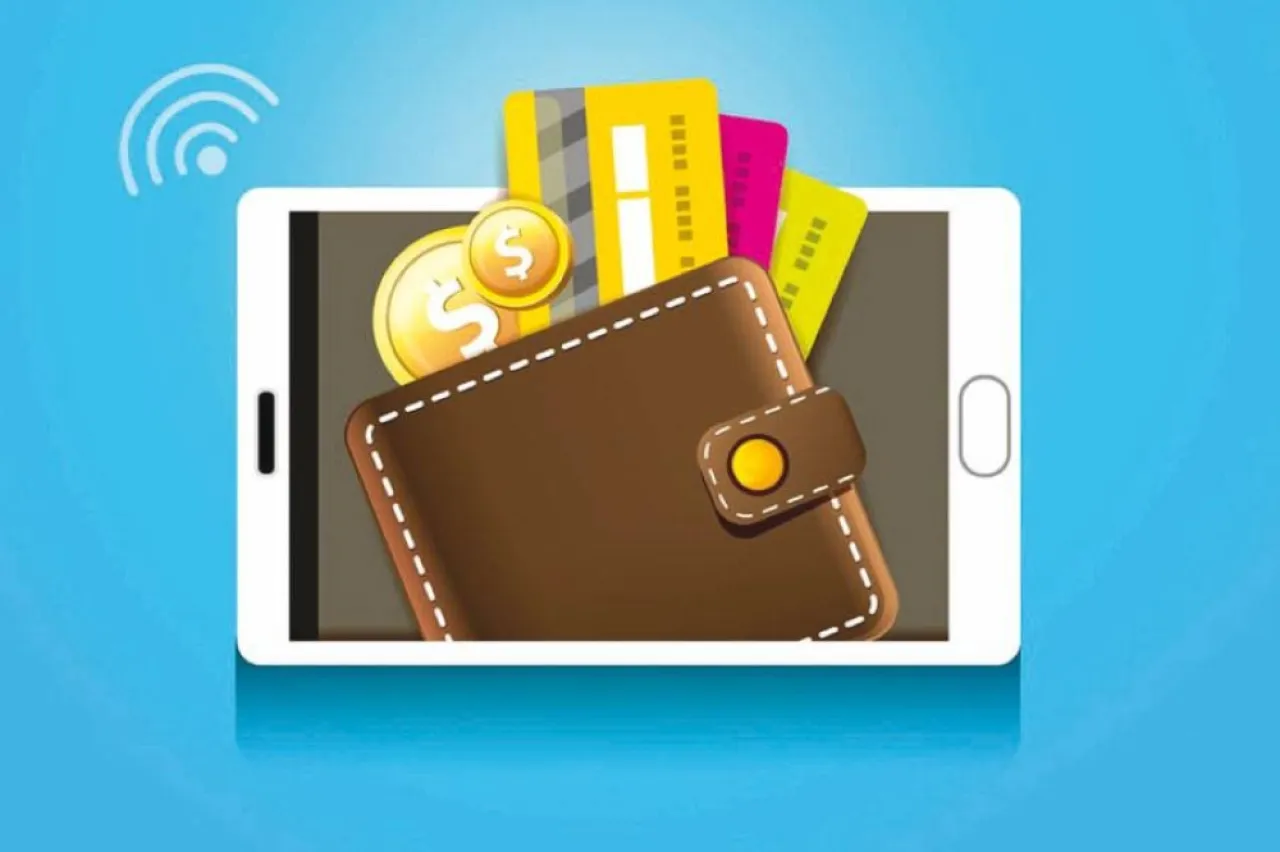
Khaberni - Electronic wallets have become one of the most prominent digital payment methods that individuals rely on in their daily lives, especially with the spread of smartphones and the development of online financial services. Conducting financial transactions no longer requires visiting banks or carrying cash everywhere; instead, a user can send and receive money, pay bills, and buy products through their mobile phone within minutes.
The increasing interest in electronic wallets is linked to users' desire to conduct their transactions quickly and easily, alongside the expansion in digital services offered by banks, telecommunication companies, and electronic payment service providers. The increase in reliance on e-commerce has also made these wallets a suitable option for a wide range of consumers.
What are electronic wallets?
An electronic wallet is a digital financial service that allows a user to maintain a money balance and use it to perform a series of transactions through a mobile phone or a specialized app. The services available vary depending on the provider and the country in which it operates, but often include transferring money, paying bills, topping up phone credit, and completing some purchases.
These wallets offer a practical alternative to traditional cash transactions, helping the user manage part of their money without the need to carry large amounts of cash. A wallet might be linked to a bank account or a payment card, or it may rely on an independent balance system, depending on the nature of the service.
Key reasons for the increased interest in electronic wallets
Ease of use and speed of transactions
Ease of use is one of the main factors that encourage individuals to rely on electronic wallets. Instead of traveling to a bank branch or looking for an ATM, users can perform many transactions directly from their phones.
This feature appears in various daily situations, such as sending money to a family member, paying an internet bill, or topping up phone credit, which saves time and reduces effort, especially for people who conduct financial transactions frequently.
Reducing the need to carry cash
Some users prefer to reduce their reliance on paper money, whether for ease of mobility or to avoid problems with keeping large amounts of money. Here, electronic wallets provide an alternative way to complete payments with merchants and service providers who accept digital payments.
Digital transactions also help the user to track the amounts paid and to refer to the transaction log when needed, making reviewing expenses easier compared to fully relying on cash payments.
The spread of e-commerce
The growth of online shopping has increased the importance of digital payment methods, and electronic wallets have become a suitable option for users who want to pay for their purchases without relying on paper money.
Some online services support payment through wallets, offering customers various options when buying clothing, household appliances, digital products, and more. With the expansion of e-commerce, the importance of providing payment methods that meet the diverse needs of users increases.
Ease of transferring money between individuals
Electronic wallets, depending on the service used, allow transferring money to other users within a short time. This feature is beneficial for splitting expenses among friends, sending money to family members, or settling some daily financial obligations.
This feature increases in importance when the parties are distant from each other, as the transfer can be completed remotely without the need for a direct meeting. However, it is crucial to verify the recipient's phone number or details before confirming the operation to avoid sending money to the wrong party.
Ease of paying bills and services
Electronic wallets help pay several financial obligations from one place, depending on the services provided by the wallet. These payments may include electricity, water, gas, and internet bills, as well as phone credit top-ups or paying for some services.
Bringing these operations into a single app reduces the need to use multiple means and allows the user to complete some payments any time the service and internet or phone network is available, according to the provider's requirements.
The role of electronic wallets in enhancing financial inclusion
The proliferation of electronic wallets helps expand access to digital financial services, especially for people who do not regularly use traditional bank accounts. Some wallets allow carrying out basic transfers and payments using a mobile phone, according to the registration and verification conditions.
These services can also help small business owners and freelancers receive some payments and send money in a more organized manner. This contributes to digital transformation support and facilitates participation in economic activities that rely on electronic payment.
However, the capabilities of wallets, requirements for opening them, and transaction limits vary from one service provider to another, so it is important to review the terms before choosing the right wallet.
Are electronic wallets safe to use?
Many electronic wallets use security measures such as PINs, verification codes, and transaction confirmation, and some apps may include additional security methods. However, the level of security also depends on how the client uses the service and their adherence to security procedures.
To increase security when using electronic wallets, the following steps are recommended:
Do not share the PIN or verification codes with anyone, even if they claim to be customer service representatives.
Use a strong PIN that is hard to guess and avoid using obvious personal information.
Verify the recipient's name, phone number, and the amount before executing the transfer.
Download the app from official stores and regularly update it to benefit from security improvements.
Avoid conducting financial transactions over untrusted public networks, and protect the phone with a secure lock.
Contact the service provider immediately upon noticing any unknown transaction or suspicious activity.
It is also essential to know the fees, withdrawal limits, and transfer limits, and to keep the official contact details with the service provider for quick action in case of problems.
Challenges that may face users of electronic wallets
Despite the various advantages, there are some challenges that may affect the user experience. Some operations may require a stable network connection, and the places where electronic payments are accepted may vary from one region to another.
New users might find it difficult to understand the registration steps or the transfer mechanism, especially if they do not have sufficient experience with financial apps. Also, the fees of some services or the limits of transactions may affect how suitable the wallet is for their needs.
Therefore, it is preferable to compare the available services in terms of ease of use, fees, protection level, and the number of supported transactions, choosing a wallet from a reliable and licensed service provider according to the rules applied in the country.
How to choose the right electronic wallet?
The right choice depends on the nature of the transactions that the user needs to perform frequently. If the main goal is to transfer money, it is important to know the transfer fees, limits, and the entities to which money can be sent. If the use focuses on shopping and paying bills, making sure these services are supported by the wallet is necessary.
It is also useful to review how easy the app is to use, the clarity of the transaction log, the methods of account recovery in case of phone loss, and the customer service communication options. The choice of a wallet should not be based solely on its popularity, but it should also be ensured that it meets personal needs and provides appropriate security measures.
With the ongoing development of digital financial services, electronic wallets are expected to continue to be an important option for making daily payments and transfers, thanks to their speed, flexibility, and ease of access. Benefiting from them depends on understanding how they work, using them cautiously, and choosing the services that balance security, cost, and ease of use.