Khaberni - The personal devices market is undergoing a gradual transformation with the rise of foldable phones that combine the portability of a phone with the large screen space that has long been one of the tablet's strongest features. With the evolution of hinges, screens, software, and artificial intelligence capabilities, these phones' functions are expanded to near tablet-like experiences.
This shift comes at a time when the tablet market faces increasing pressure, with market research firm IDC predicting a global tablet shipment decrease of 8.6% this year, from about 151.9 million devices in 2025 to 138.9 million, despite an increase in the total market value to about $66.8 billion, driven by rising average device prices.
A Phone Turns into a Tablet
The basic idea behind foldable phones with a book-like design is simple: it's one device performing two functions. When closed, it acts as a traditional phone, and when opened, its screen expands to a larger space approaching the dimensions of a tablet.
The latest devices reveal how far this idea has evolved, with newer generations of foldable phones becoming lighter and thinner, boasting larger internal screens, improvements in the hinge, and a reduction in the crease area.
Some of these devices have internal screens over 7 inches, a size that allows running two apps side by side, or browsing the internet and watching videos while performing another task simultaneously.
Software enhancements complement this experience, where the large screen is not just extra space for displaying content, but a part of a multi-tasking experience approaching the capabilities provided by tablets and laptops.
The Tablet and Its Strengths
Still, the transformation of the phone into a large-screen device does not mean that the tablet has become obsolete. The size difference is still significant for reading for extended periods, drawing with a stylus, editing photos and videos, gaming, studying, and using keyboards or external accessories.
The tablet does not require a complex folding mechanism, allowing for a large, stable screen without the hinge or flexible layer posing additional engineering challenges.
Here lies the paradox: the foldable phone tries to reduce the number of devices a user carries, while the tablet maintains the concept of a specialized device with a large screen.
One Device Instead of Two?
Economically, the idea is attractive, as a user buying a foldable phone can get a large screen without needing to purchase a separate phone and tablet. However, price remains a significant hurdle, as foldable phones still belong to the premium category, with some new models starting from around $1800 to $2000, while higher editions far exceed these prices.
IDC forecasts suggest that the foldable phone market will grow strongly this year, expecting shipments to increase by about 30% annually. However, foldable devices will still represent a small percentage of the total smartphone market.
This means that the growth of foldable phones does not pose, for now, a direct threat to the existence of tablets but reveals a different trend in device design. Instead of purchasing a device for each function, companies are trying to make one device capable of altering its shape and function as needed.
Artificial Intelligence Increases the Importance of the Large Screen
Artificial intelligence might be the factor that deeply reshapes the competition, as smart assistants move from merely answering questions to executing tasks, making the screen space more crucial for displaying results, reviewing documents, comparing information, and managing multiple applications simultaneously.
Here, the foldable phone has a clear advantage, providing full smartphone capabilities in a device that can be opened when a larger workspace is needed. In contrast, the tablet remains more suitable when a large screen is the primary mode of use, not just a temporary mode accessed when needed.
Apple's Entry Changes the Equation
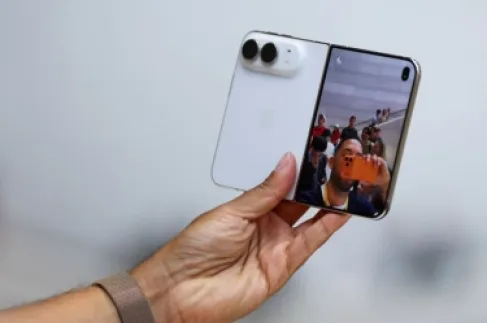
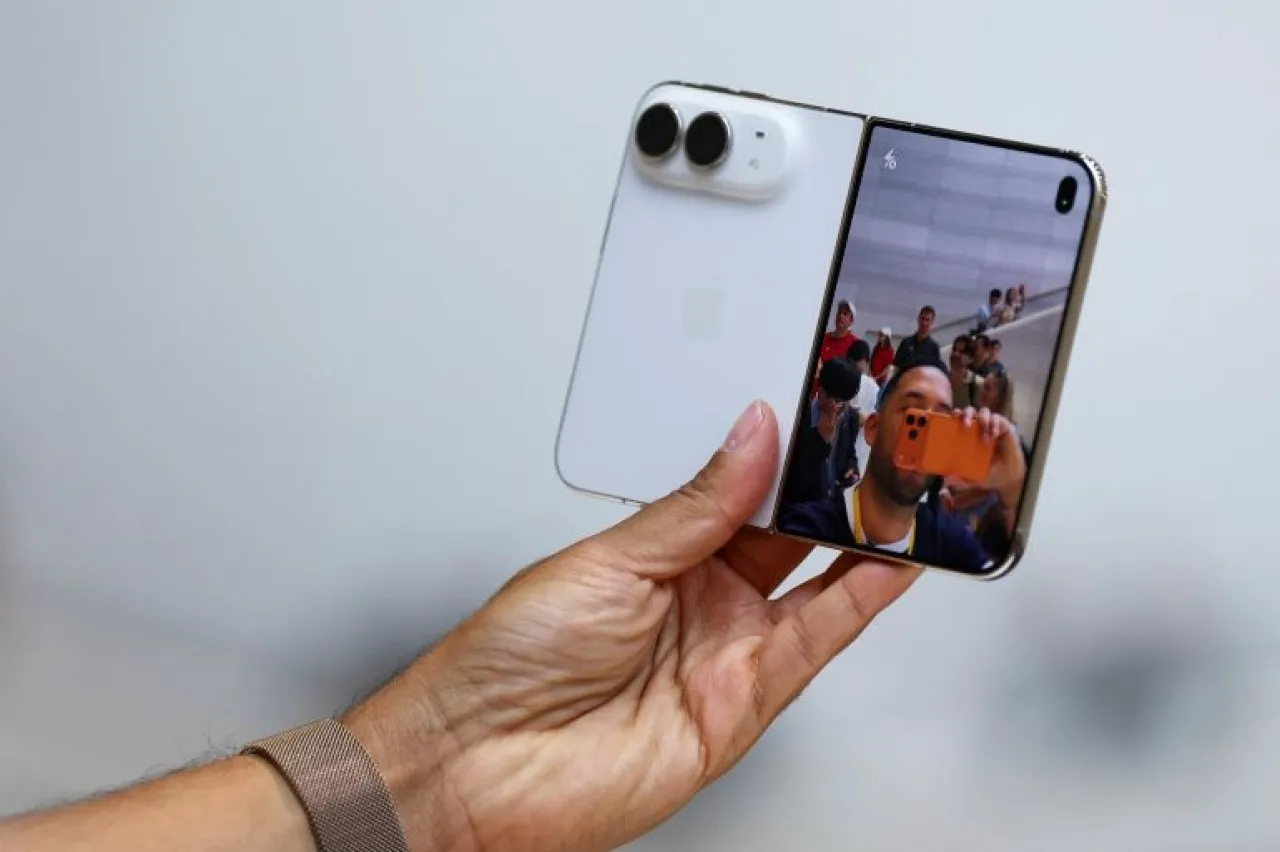
The competition gains additional momentum with Apple entering the foldable phone market through the iPhone Duo, a move that could shift this technology from a niche category to a direct competitor within the luxury phone market. The device features a large inner screen and multitasking capabilities, making it closer in use to both a phone and a tablet in one.
However, Apple's entry does not mean that the tablet is threatened with disappearance, as even the optimistic forecasts about foldable phones indicate that their market share will remain limited in the next few years, while the tablet continues to serve a demographic searching for a large screen at a lower price and a more stable user experience.
A New Map for Personal Computing
The real contest, then, is not so much between the phone and the tablet as it is between two models of personal computing: the first based on one transformable device performing multiple functions, and the second on specialized devices for each use.
Neither model may win completely, as the foldable phone could become an attractive choice for those wanting to reduce the number of devices they carry, while the tablet continues among students, creators, gamers, and users who need a large screen permanently.
Thus, the future of personal computing may not rely on the disappearance of the tablet in favor of the foldable phone but on the breakdown of traditional boundaries between device categories.