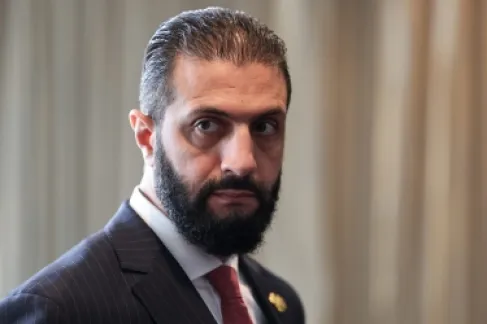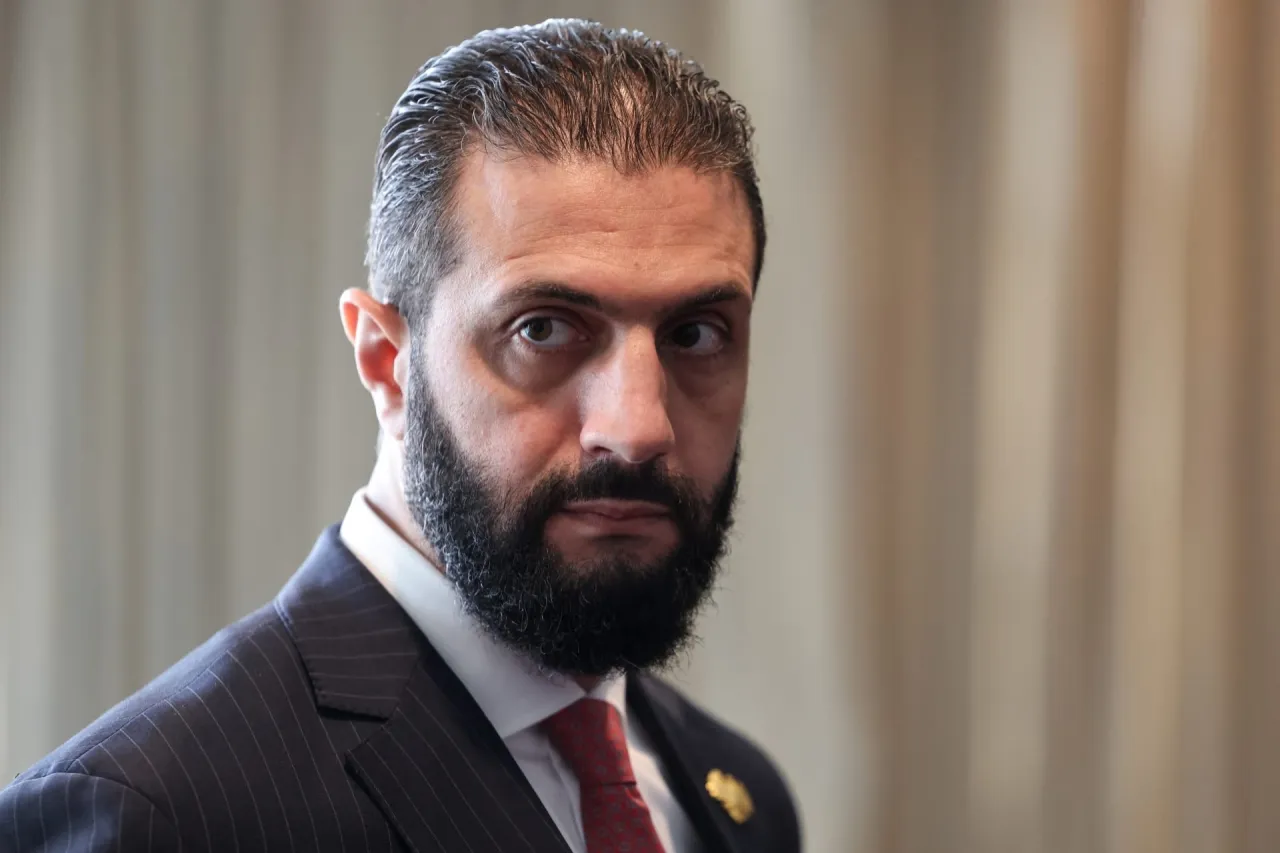
Khaberni - An Israeli security analysis revealed a fundamental shift in Tel Aviv's view of the new data in Syria, where Ahmad Al-Shar'a, the new ruler of the country, is no longer considered an "intelligence puzzle," but has turned into a "sworn enemy".
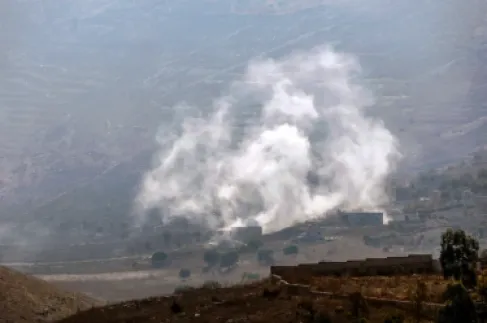
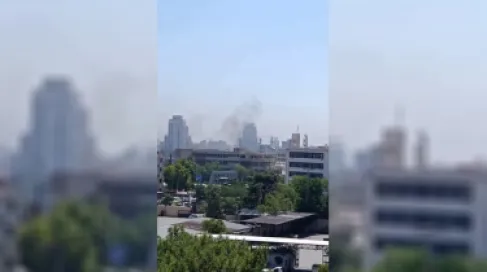
According to what Retired General Avi Benayahu, the media expert and Israeli strategic commentator, published, the strike recently executed by the Israeli Air Force in the Idlib area "was not only intended to thwart a field threat but was also a double message directed at Al-Shar’a and his main patron, Turkish President Recep Tayyip Erdogan."
He added: "Through this action, Israel confirms that it will not allow Syrian territory to become a haven for foreign military forces, whether Turkish, Iranian, or belonging to Hezbollah, that may pose a threat to its security or to the freedom of its operations in the region."
Turkey at the forefront of the Israeli security threat:
He continued: "Israeli analyses indicate a serious shift in the concept of 'reference threat' for the Israeli army, where the focus is no longer only on countries of the 'third axis' such as Iran and Yemen, but the threat of 'advanced regular armies' has come back to the forefront, led by the Turkish army."
He said: "Israel seeks to maintain a kind of 'current security situation' in Syria that ensures freedom for its air force to fly and gather intelligence over Syria and Lebanon, without allowing the introduction of Turkish air defense systems (radars or anti-aircraft missiles) that might threaten Israeli aircraft or lead to a direct confrontation with Ankara."
The American dilemma and the nuclear card:
The Israeli expert pointed out that "the American equation complicates the scene, especially in light of President Donald Trump describing Erdogan as a 'very good friend,' and considering Turkey as an active NATO member hosting the major American 'Incirlik' base. With the declining Iranian influence in the northern front and Syria, Turkey gradually fills this vacuum, raising questions about Washington's ability to support Israeli security interests in the north amid this complex alliance."
He explained: "The tension is heightened by rumors about statements by Al-Shar'a indicating that he possesses remaining nuclear materials from the Syrian reactor (of North Korean origin in Deir ez-Zor) that was previously bombed and his declaration of not intending to hand them over to any party. This adds a dangerous dimension to the equation, particularly in the light of regional competition for influence."
He concluded by saying: "Tel Aviv's interest lies in a stable Syria that rebuilds itself, but as time passes and Iranian influence declines, the Israeli security challenges increase as Turkey seeks to enhance its geopolitical gains against the support it provided to Al-Shar’a in the post-Assad stage, putting the region on a hot plate that may witness unprecedented escalation in the next phase."