Khaberni - The U.S. Department of Defense (the Pentagon) is revising its nuclear weapon use plans to provide President Donald Trump and the military leadership with broader options for dealing with the possibility of Russia or China using low-yield nuclear weapons in a regional conflict, while avoiding the escalation of a limited confrontation into a full-scale nuclear war.
Preventing Escalation
The Washington Times quoted Elbridge Colby, Deputy Secretary of Defense for Policy, as saying that the review is being conducted in cooperation with Admiral Richard Correll, commander of the U.S. Strategic Command, and focuses on updating the nuclear use guidelines, with details remaining classified.
The review aims to address Washington's concerns that adversaries' belief that the United States would hesitate to respond could encourage them to use tactical nuclear weapons, either in a potential conflict over Taiwan or in the Russian-Ukrainian war.
Colby considered that the goal is not to increase the likelihood of nuclear weapon use but to provide alternatives between two extreme options: not responding or directly resorting to a widespread strategic strike.
The concept of "flexible response" includes a mix of conventional capabilities and tactical and strategic nuclear weapons, alongside enhancing the readiness of allies.
Nuclear Arsenal Update
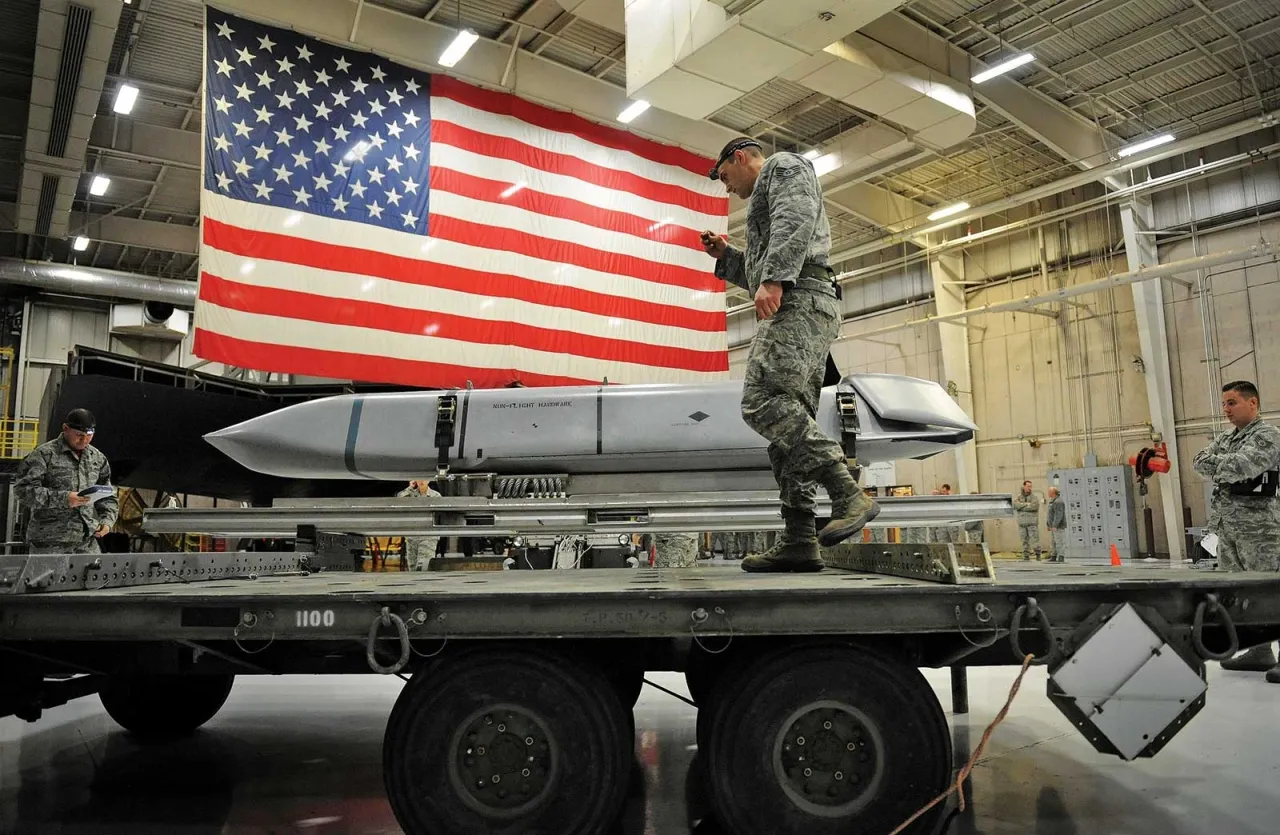
This review comes amid American concerns about the obsolescence of some elements of the nuclear arsenal, concurrent with Russian and Chinese capacity expansion. Washington continues a broad program to upgrade the "nuclear triad," which includes intercontinental ballistic missiles, strategic bombers, and submarine-launched missiles.
The United States already possesses low-yield nuclear weapons, including the 8-kiloton W76-2 warhead and the variable-yield B61-12 bomb.
China at the Forefront of Considerations
China is a central focus in American planning, given the rapid expansion of its nuclear arsenal and the construction of hundreds of sites for intercontinental ballistic missiles.
According to Colby, American deterrence requires maintaining a strong military presence in Asia, especially to deter any Chinese attempt to invade Taiwan, relying on submarines, aircraft, bombers, and American missiles.
Extended Deterrence Dilemma
The Trump administration seeks to preserve "extended deterrence" to protect its allies in Asia and Europe, while rejecting their possession of independent nuclear weapons, alongside attempts to resume arms reduction negotiations with Russia and China.
The review reveals a fundamental strategic dilemma: how to make Washington's nuclear response threat credible without making nuclear weapon use more likely? Owning limited options might enhance deterrence, but a miscalculation in escalation limits could transform a regional war into a nuclear confrontation that is difficult to contain.