Khaberni - The World Health Organization warned about the continuing outbreak of the Ebola virus in the Democratic Republic of Congo and its expanding scope, after confirmed deaths exceeded two thousand cases and the pandemic reached a sixth province.
The Director of the Emergency Response Program at the regional office for the organization in Africa, Patrick Outim, said that the situation is "still very dangerous," and that epidemiological trends do not yet indicate that the outbreak is under control.
According to the latest data, the number of confirmed cases has exceeded 4381, including 2011 deaths, while transmission continues within dozens of health zones.
The response is slower than the virus
Outim explained that the outbreak was affecting 53 health zones across five provinces before it was announced on Thursday that it had reached Bas-Uélé Province, raising the total affected provinces to six.
Ituri remains the main hotspot, recording most cases, but the organization is monitoring increased risks of the virus spreading to other areas in North Kivu, Haut-Uélé, and Tshopo, especially through mobility corridors and population movements.
Outim stated that some areas are showing encouraging signs, but the overall response "still needs to move at a pace faster than the spread of the virus," warning that the risk of expansion remains unless all transmission chains are regularly discovered and cut.
The Director-General of the African Centers for Disease Control and Prevention, Jean Cassia, announced the first virus-related death in Bas-Uélé. He Mentioned that the infected person moved from the city of Isiro in Haut-Uélé Province to Buta, the capital of Bas-Uélé, where he died.
The World Health Organization is working with the Congolese authorities to expand epidemiological surveillance, laboratory testing, and contact tracing, alongside strengthening isolation, treatment, prevention measures, and safe burial practices.
The virus spread before it was discovered
Outim revealed that epidemiological investigations suggest that the virus might have been spreading for months before the outbreak was detected and officially announced.
This estimate is based on reviewing previous disease cases and deaths, alongside field research within the affected communities to reconstruct transmission pathways and seek treatment during the early stages.
He explained that delays in detecting infected individuals and isolating them allow the virus to spread to family members, healthcare workers, and contacts, potentially leading to multiple transmission chains before the outbreak is officially recognized.
However, he emphasized that these investigations do not yet reveal all the cases that have gone undetected, pointing to the ongoing review of previous deaths and the role of health facilities and service providers in the spread of the infection.
Outim stated that the most important lesson is that early detection "is not just a technical issue, but determines whether the response will start ahead of or behind the virus."
Security and displacement complicate the confrontation
Containment efforts face additional challenges due to insecurity, widespread displacement, high population movement, and difficulty accessing some communities, as well as cross-border movement and a lack of trust in some areas.
These conditions hinder contact tracing, patient transfer, and safe burial of the deceased, while infections among healthcare workers pose a major concern threatening the continuity of essential services.
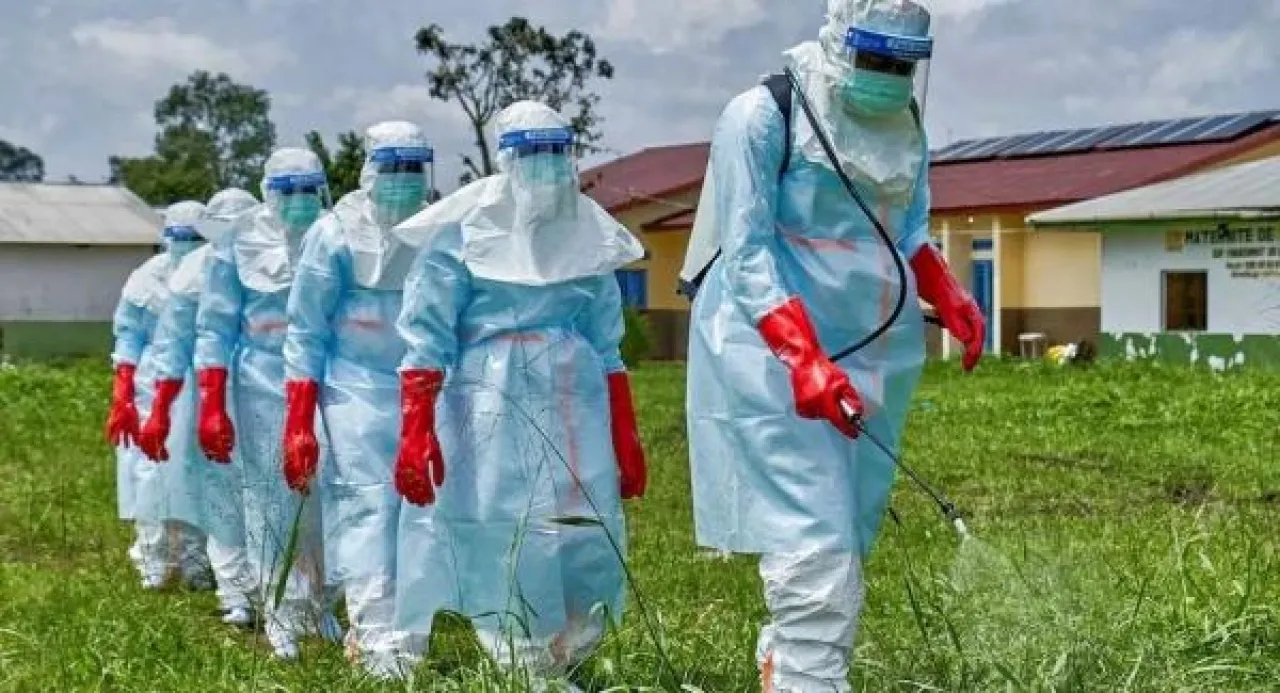
Outim explained that protecting staff requires stringent screening and isolation measures, the use of protective equipment, decontamination, and waste management, with rapid investigation of every infection recorded among healthcare workers.
He added that the expanding outbreak is putting increasing pressure on treatment centers, laboratories, surveillance teams, and logistic services, warning that containing the epidemic will remain challenging unless the response can keep up with the virus and cut off its transmission before it reaches new areas.