Khaberni - The Hebrew newspaper "Yedioth Ahronoth" confirmed that "the real test" for the framework agreement signed between Israel and Lebanon begins in the actual implementation stage on the ground, namely the day after Hezbollah leaves the border.
The newspaper indicated that the lesson is not in the texts of the signed documents but in the ability to change the field and political reality the day after Hezbollah fighters exit the border.
This analysis followed the signing of the "Framework Agreement" under American sponsorship in Washington on June 26, focusing on several dimensions and challenges facing this agreement, linking the gradual withdrawal of the Israeli army to the ability of the Lebanese state and army to dismantle Hezbollah's illegitimate military structure.
Israel considers disarmament a fundamental security guarantee, while Hezbollah refuses to relinquish its arms, making implementation much harder than the signing itself.
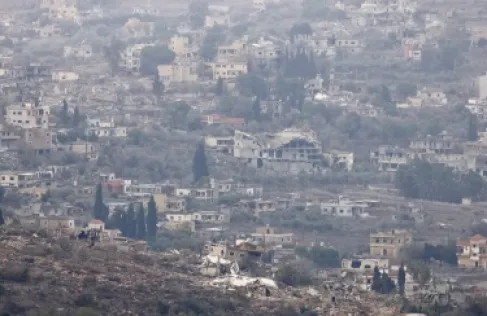
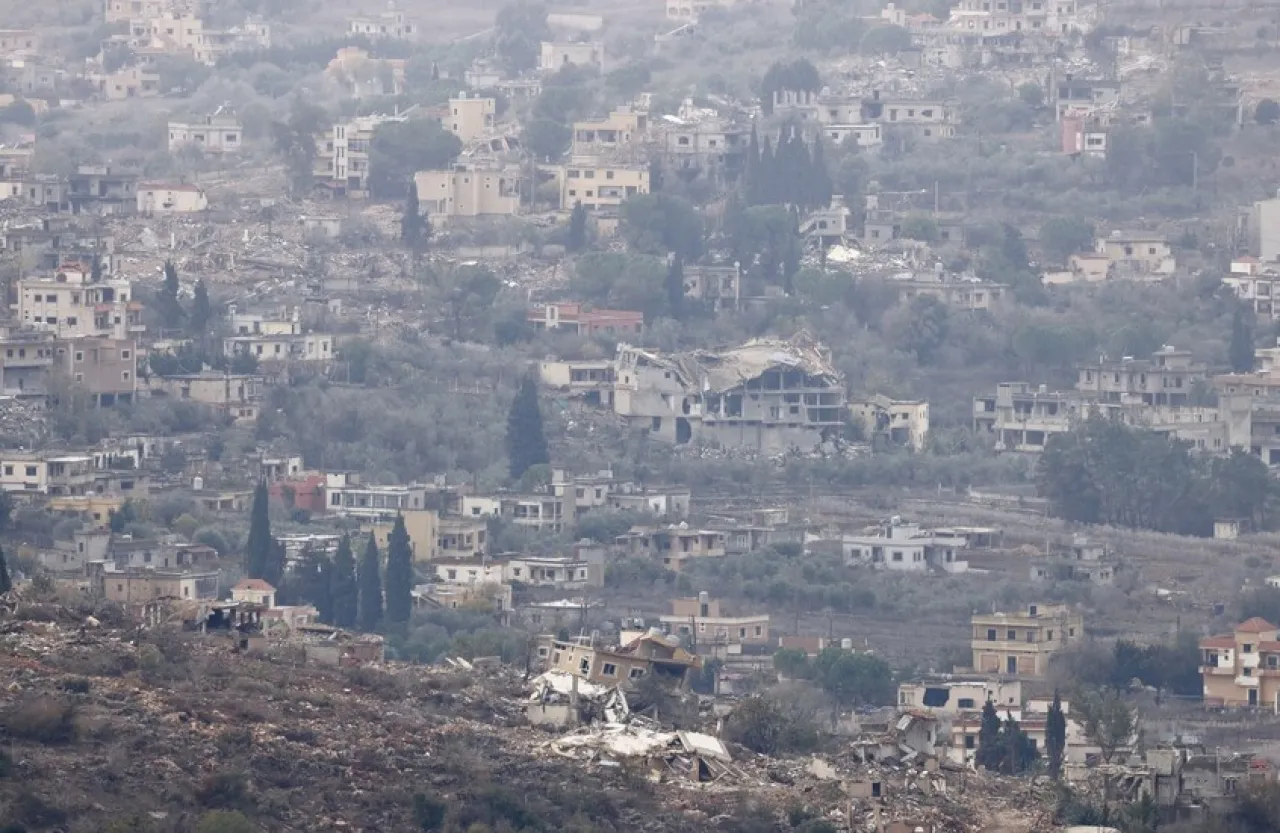
The agreement relies on the principle of "pilot zones" (such as the villages of Froun and Zoutr West), where the Israeli army partially withdraws to be replaced by the Lebanese army under American supervision.
The newspaper, quoting security sources, warned that if the Lebanese army fails to manage these specific areas, Israel will not progress in creating additional areas and will maintain its current security zone.
The newspaper's analysts explained that Hezbollah's strength in the south is not limited to missiles and tunnels, but extends to providing aid, services, jobs, and health care to the population, emphasizing that the Lebanese army should not enter the south alone; state institutions and service ministries must accompany it for reconstruction; and if Iranian funds return to fill the vacuum without effective state presence, nothing fundamental will change.
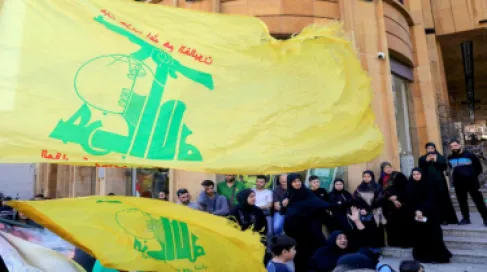
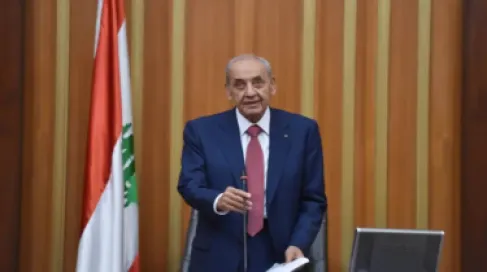
The agreement faces fierce internal opposition; Hezbollah's Secretary-General Naim Qassem described it as "humiliating and shameful," Parliament President Nabih Berri considered it seeds of "strife," and Hezbollah representatives warned that trying to impose it by force might lead the country to civil war.
The newspaper quoted diplomatic sources warning that Lebanon's failure to fulfill its commitments could place the scenario of a new and third round of war on the table in the coming months (perhaps before September).