Khaberni - Less than two weeks had passed since the temporary ceasefire agreement between the United States and Iran, when its legal loopholes began to turn into a spark that threatens to ignite the confrontation anew. The ambiguity surrounding the terms of the agreement, especially regarding the freedom of navigation in the Strait of Hormuz, opened the door to conflicting interpretations by both parties, which quickly reflected on the ground with a military escalation putting the truce at risk.
The New York Times reported that the ambiguous wording agreed upon by the American negotiators now threatens peace efforts, as each party has adopted a different interpretation of a provision stating that Iran shall “arrange, with utmost effort, to ensure the safe passage of commercial ships” through the Strait of Hormuz for 60 days, without specifying what is meant by “arrangements” or “utmost effort”.
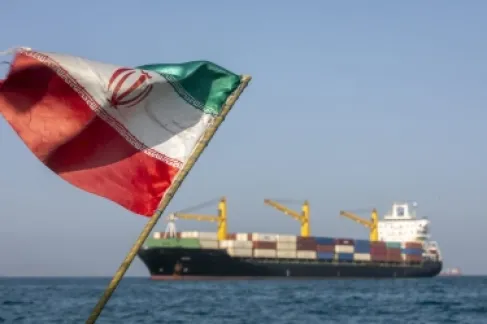
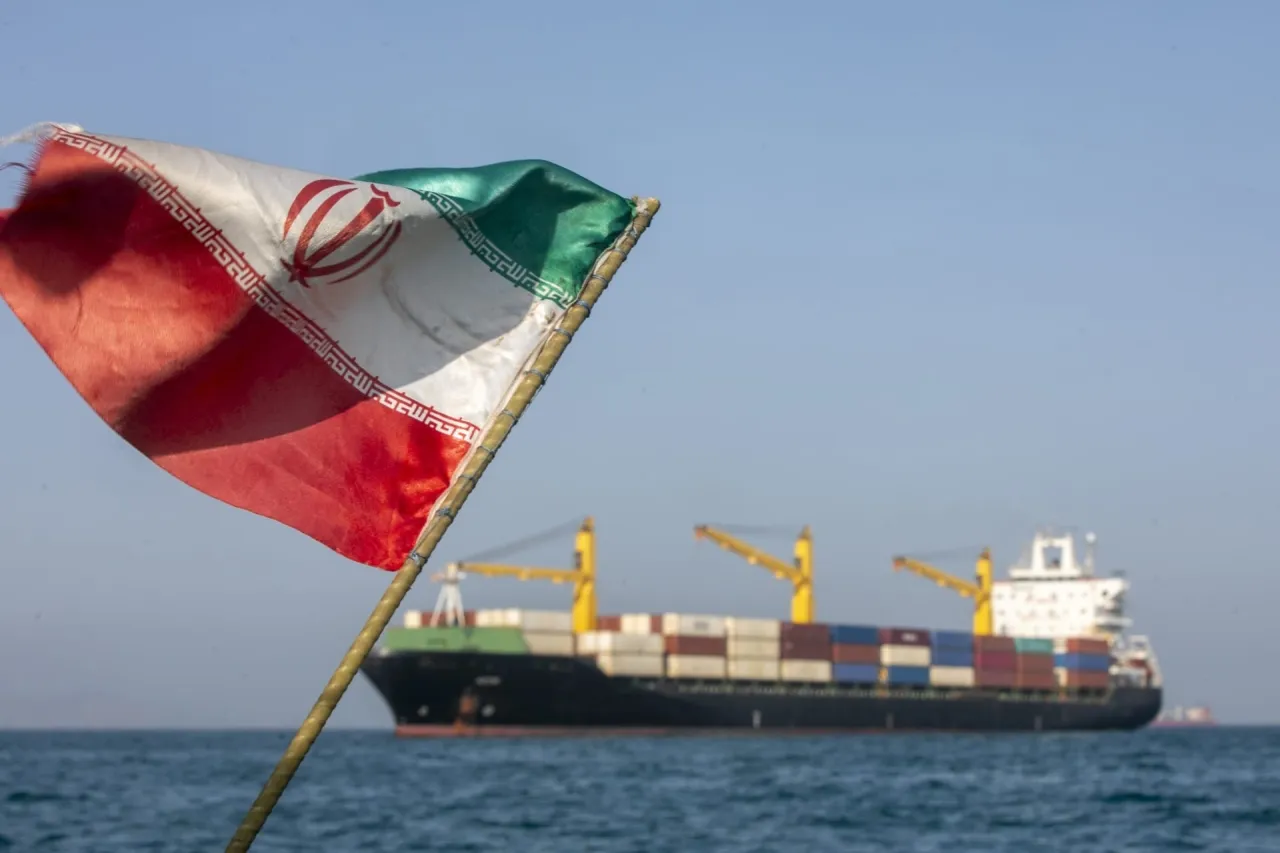
According to the report, Tehran interpreted the agreement as granting it the right to regulate navigation routes within the strait, having warned ships hours before targeting a container ship from using the southern route supported by the United States along the Omani coast, demanding passage through Iranian waters instead.
Associate Professor at the Center for International Studies at Sciences Po, Nicole Graveski, said that the agreement was deliberately phrased in flexible terms to facilitate its achievement, but the continuity of this flexibility requires both parties to agree on a unified interpretation, warning that the ambiguity pushes each party to impose field realities that serve their interests before reaching a final agreement.
For his part, Senior Analyst at Eurasia Group, Gregory Brew, believed that Iran is testing the limits of its influence in the strait, considering that conducting limited military operations might be a way to impose maritime routes that allow it more control, as long as it does not expect a broad American response.
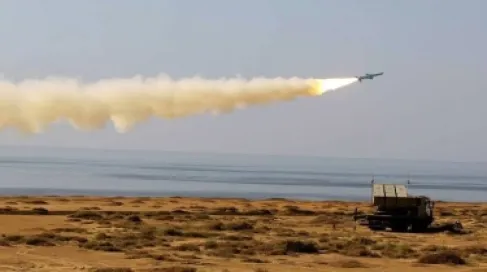
Tensions escalated after the United States responded to the targeting of the cargo ship by launching strikes on Iranian missile storage sites, drone facilities, and coastal radar installations, before Bahrain declared it had been attacked by Iranian drones, in developments considered by the newspaper as a direct threat to the truce.
The escalation also sparked debate about statements by US Vice President JD Vance regarding the existence of a military communication channel between Washington and Tehran, after the Iranian Revolutionary Guard denied the establishment of any direct communication line, while an advisor to the Iranian leader Mohsen Rezaei accused the United States of violating the agreement, promising a “swift and decisive” response to any breach.
The report also mentioned the ongoing dispute over the future management of the Strait of Hormuz, as Iran asserts its right to regulate traffic and impose fees for services it provides to ships, while Washington rejects any restrictions or fees on passage, making the dispute on the interpretation of the agreement one of the major challenges in reaching a permanent settlement.