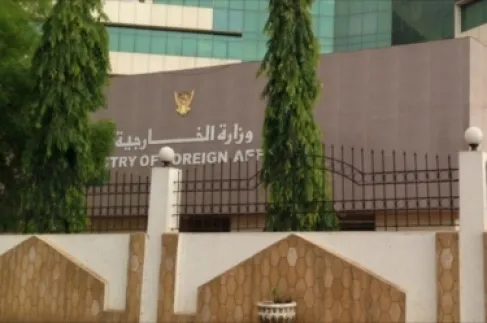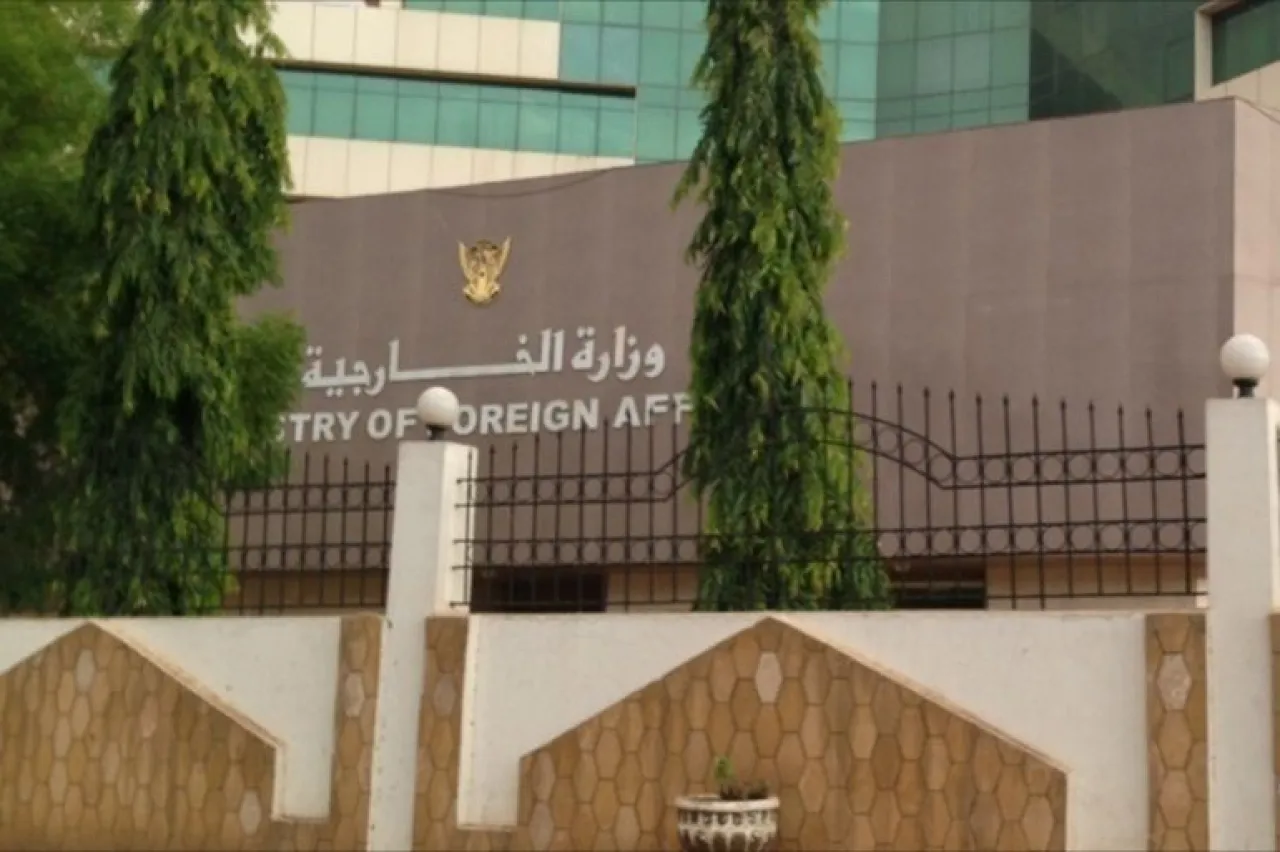
Khaberni - The Sudanese Ministry of Foreign Affairs refuted on Saturday the accuracy of claims made by Massad Boulos - the senior advisor to the U.S. President for Arab and African Affairs - about the Transitional Sovereignty Council’s rejection of an American document concerning efforts to end the war in the country.
The ministry stated in a communique that Boulos's statement before the International Security Council on Friday about the council's rejection of the document was "inaccurate" and does not reflect the true positions that have been adopted by the Sudanese government and its various institutions, including the Transitional Sovereignty Council.
It added that the Sudanese government had dealt "positively and responsibly" with initiatives and proposals aimed at ending the war.
The ministry pointed to its signing of the Jeddah Declaration on May 11, 2023, and its approval of several humanitarian ceasefires.
It clarified that the government presented an initiative through the Security Council on December 22, 2025, to protect civilians and create suitable conditions to stop the war.
The Ministry of Foreign Affairs of Sudan affirmed that the government had constructively engaged with the proposal mentioned by Boulos.
It further stated that Khartoum provided a detailed response during the ongoing consultations with the United States, reflecting its openness to efforts aimed at achieving peace and responding to the aspirations of the Sudanese people.
Conditions for Ending the War
The Ministry of Foreign Affairs of Sudan reiterated that any efforts to end the war in Sudan should include stopping what it described as "the external supply of the rebel militias with weapons and mercenaries," and ending the political and diplomatic support that allows them to continue their military operations.
It also urged the international community and regional and international actors to "deal realistically and objectively" with the situation in Sudan.
The ministry stated that the country faces "a direct foreign-sponsored aggression targeting the state and the Sudanese people," necessitating a clear and firm stance that supports the national state institutions and enhances the chances of peace and stability, in its words.
Boulos stated on Friday that the Sovereignty Council had repeatedly rejected the ceasefire proposal, including the updated text presented by the United States that morning, adding "we are working on developing a mechanism to support the implementation, coordination, monitoring, and supervision of the ceasefire."
For months, the United States and Saudi Arabia - through the international quartet also comprising Egypt and the UAE - have been leading efforts to reach a humanitarian ceasefire in Sudan.
Since April 15, 2023, the Sudanese army and rapid support forces have been engaged in a war that erupted following disagreements on integrating the latter into the military institution, resulting in the deaths of tens of thousands and displacement of approximately 13 million people, according to UN and global estimates.