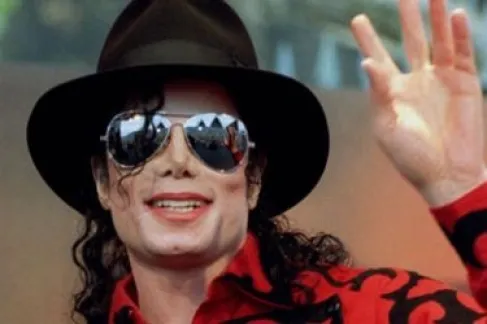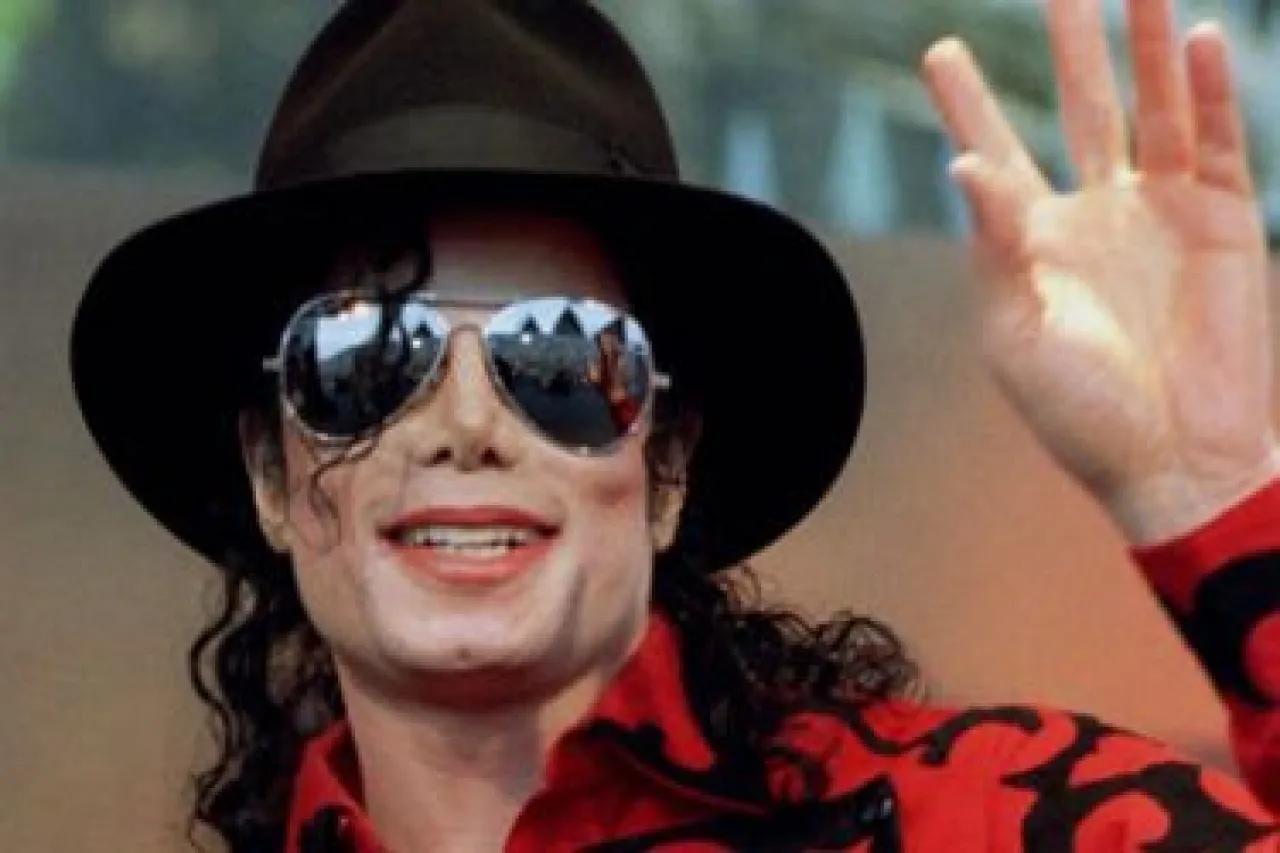
Khaberni - Every year on June 25, the name Michael Jackson comes back to the forefront as more than just an artist who passed away. The "Pop Legend" who changed the shape of global music and redefined the relationship between song, image, and spectacle is still present in the collective memory as if he never left.
Over a decade and a half after his death, his songs are still listened to around the world, his shows revisited as pivotal moments in the history of popular culture, while his image and works continue to attract generations that did not even experience him originally.
But Jackson's death anniversary is not only a question about his artistic journey, but it also opens a wider door to a phenomenon recurring among major stars; what happens to the artist after death? And how can a person disappear physically yet his cultural and economic presence continues to grow year after year?
In the case of Michael Jackson, death was not the end of the story, but rather the beginning of a new phase where he transformed into a global legacy and a cultural and commercial brand that exceeds the limits of time and its owner himself.
This case reveals a central paradox in the world of contemporary art, where death, which is supposed to end an artist’s professional presence, often becomes the starting point for his economic value. With the departure of major stars, the audience revisits their works, listening and viewing rates rise, albums get reprinted, documentaries, and exhibitions related to them are produced. Thus, the artist after death becomes more present in the market and more capable of generating profits than in his later years, turning his works into an industry that surpasses his biological age.
Michael Jackson's experience is a prominent example of this transformation. The "Pop Legend" is no longer solely defined by his artistic journey or the songs that made modern music history but has become a name in itself, owning independent value from its owner, and gradually transforming into a cultural and economic system managed globally.
This presence isn't limited to the music that is still broadcasted and consumed heavily, but also extends to theatrical shows inspired by his works, documentaries, and exhibitions dedicated to him, in addition to commercial products linked to his name. Publishing and exploitation rights continue to generate huge revenues, making his legacy a clear model of transforming an artist into a cultural and economic brand.
Death.. A New Beginning
When Michael Jackson died on June 25, 2009, he was burdened with debts exceeding 500 million dollars. But what happened after his death completely reversed the equation. Within months, sales of his works rose, and they returned to global listening charts, before starting a more complex phase: managing his legacy as a global economic asset.
According to Forbes, the revenues of Michael Jackson's estate have exceeded 3.3 billion dollars, and they are estimated at about 3.5 billion dollars, continuously making him top the lists of the highest-earning deceased celebrities. In 2024 alone, his legacy earned about 600 million dollars through music, theatrical shows like "MJ the Musical," rights deals, and documentary projects.
These numbers indicate that death does not stop the economic cycle of the artist, but rather restarts it anew. The audience returns to his works out of nostalgia or discovery, while companies and rights owners invest this interest by reproducing content and expanding it digitally and commercially, making the artistic legacy a permanent source of income.
In the logic of the extended post-death economy, not only music remains a source of reviving Michael Jackson’s legacy, but cinema also enters as a new lever for this presence. The biopic film "Michael," which covers the life story of the late King of Pop, defied expectations and achieved a strong start in its first week of screening, breaking the record for musical biopic films.
According to preliminary estimates, the film grossed about 217.4 million dollars globally, of which 97 million dollars were in theaters in the United States and Canada, marking a strong start that placed this opening among the highest in the category of musical biopic films. Weeks before its release, estimates had suggested that the film could earn about 50 million dollars in its first week of screening, but the actual figures after its launch were much higher, exceeding these expectations by a large margin.
According to these results, the film succeeded in breaking the record for the opening revenues of musical biopic films, surpassing notable works like "Straight Outta Compton" (2015) which grossed 60.2 million dollars, and "Bohemian Rhapsody" (2018) which recorded 51 million dollars in its first week.
This performance places the film "Michael" in an exceptional position within this cinematic genre, not only as a work that narrates the biography of an artist, but as a public event that reflects the continued strength and economic impact of the name in the global market even decades after his artistic beginnings.
The artist between being human and being a brand
Sociological studies confirm that fame after death enters a phase of “symbolic and economic reproduction,” where the artist becomes an asset tradeable within the cultural market. Researcher Ruth Penfold-Mounce explains that the absent body does not lose its value but is transformed into symbolic and economic capital managed within production and media systems.
In this context, the artist is not consumed as a human, but as a cultural archive recyclable. Reports from "The World Economic Forum" consider that post-mortem fame functions as an economic system based on reproducing artistic content across digital platforms and cultural products.
From here, the name transforms into an independent entity from its owner, being constantly reintroduced to new generations, who recognize the artist not from his personal biography but from his image reproduced within the cultural market.
Who owns the artist after death?
This transformation poses a central question: Who owns the artist after death? The heirs? The companies? Or the audience?
In reality, there is no single answer. According to "Harvard Business Review," after death, the artistic identity transforms into an asset managed by specialized companies, operating on an investment portfolio logic, where music rights, images, and archives are invested as long-term assets.
Forbes indicates that Michael Jackson's estate has earned billions of dollars since his passing, reflecting the transfer of ownership from the individual to a complete production and management system that re-markets the name globally.
However, the more complex aspect appears in the audience itself. According to the World Economic Forum, post-mortem fame does not depend only on companies but also on continuous public engagement that reproduces the artistic presence through listening, viewing, and digital participation.
Sociological studies go on to say that celebrities after death transform into symbolically recycled capital, where the legacy becomes a commercial material reproducible within the market.
A legacy that does not stop
This phenomenon recurs with major names in the world of art and music. Elvis Presley’s "Graceland" continues to represent a continuous cultural and tourist project generating profits and re-producing his image for a new audience.
As for Prince, his death turned into legal disputes over rights, before music management companies began to purchase parts of his archive and re-market it within a growing artistic rights market, as documented by specialized art sites like "Billboard" and "Rolling Stone."
Marilyn Monroe serves as an example of a visual icon who is continuously reformulated in advertising, fashion, and visual culture, according to studies from "Journal of Popular Culture" on the continuation of icons after death.
Whitney Houston, too, saw a strong return of her works to listening charts after her death, parallel to documentaries and biographies that reintroduced her to a new generation, as documented by "Forbes."
Amy Winehouse represents a different dimension, as she has transformed into an aesthetic and artistic symbol revived in fashion and music, part of what the British cultural press calls “nostalgia culture.”
Meanwhile, Freddie Mercury serves as an example of cultural revival through cinema, especially after the movie "Bohemian Rhapsody," which reintroduced him to a new global audience, as pointed out by "The Guardian."
The economy of memory
These examples reveal that an artist after death does not exit the commercial market, but enters a new phase of continuous economic existence. Each name transforms into a multi-level production system: heirs, companies, platforms, and an audience that continuously recycles it.
Thus, death does not appear as the end of the relationship between the artist and the audience, but rather the beginning of a complex redistribution of ownership between law, market, and memory. In this overlap, the artist transforms from a human into a multi-layered entity: a cultural legacy, an economic asset, and a collective symbol not fully owned by anyone, but continuously invested by everyone.
"Despite all this momentum of numbers, rights, markets, and deals, Michael Jackson remains in a simpler place than all that: a familiar voice emanating from the world’s memory, and a presence that transcends economic calculations, as if art alone is truly what remains of him away from everything the industry tried to build around his name."