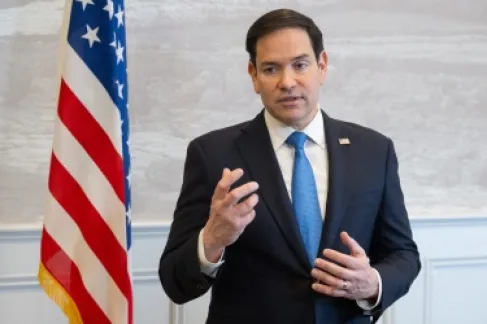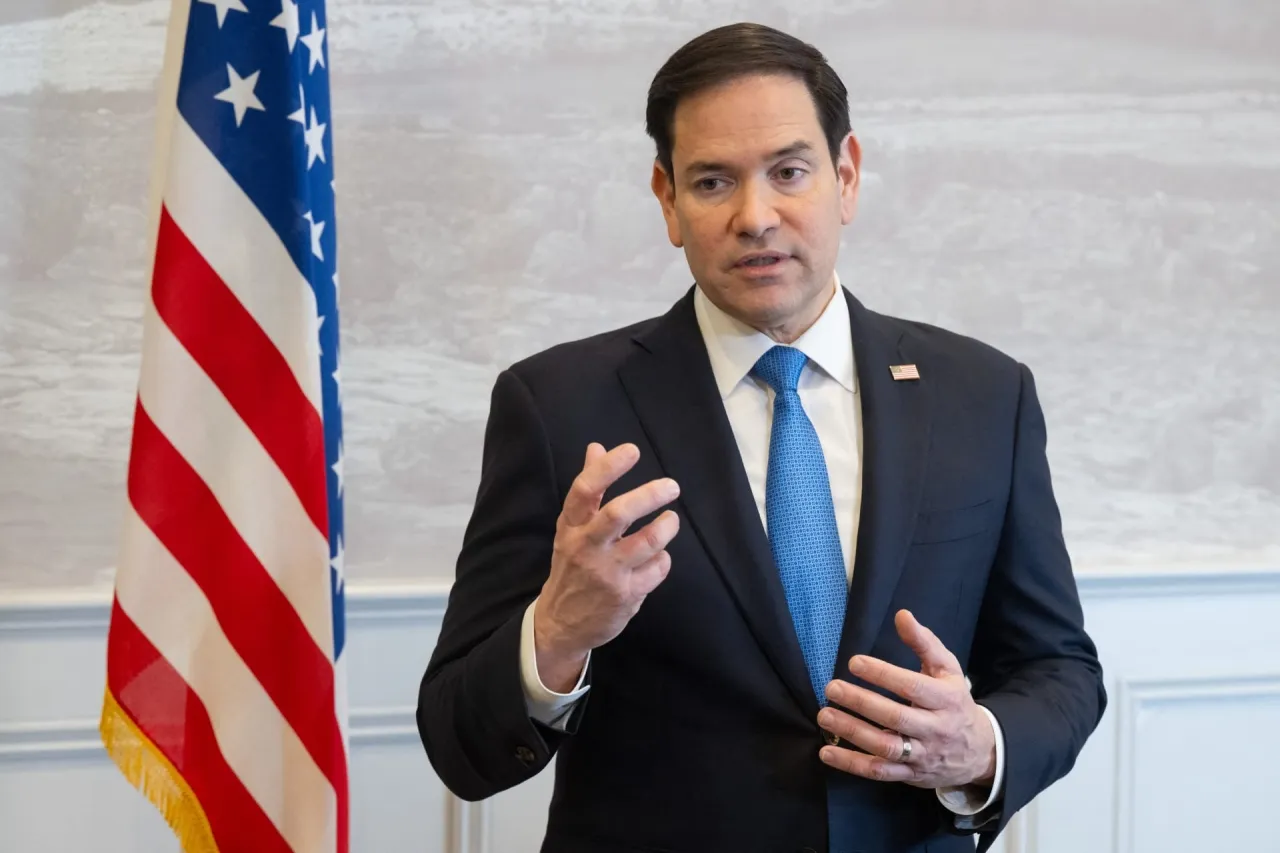
Khaberni - U.S. Secretary of State Marco Rubio confirmed that any decisions made in the Iran negotiations will ensure the interests of Washington's allies in the region, and that President Donald Trump is open to peace that ensures the security and prosperity of the Gulf.
Rubio said during the joint ministerial meeting between the Gulf Cooperation Council and the United States in the Bahraini capital, that the American alliance with its partners in the region "was tested" during the recent developments and succeeded in overcoming them, emphasizing that the last meeting reflects a common goal to enhance stability and security in the region.
Rubio added that the United States is entering "a new phase" that hopes to lead to peace, noting that Washington will seek, with the help of its partners, to build a dialogue that eventually leads to an agreement with Iran.
He stated that his country is ready to assist Iran if it chooses to stop exporting its ideology and focus on improving the conditions of its people, while emphasizing at the same time that any negotiation path must consider the interests of allies in the region.
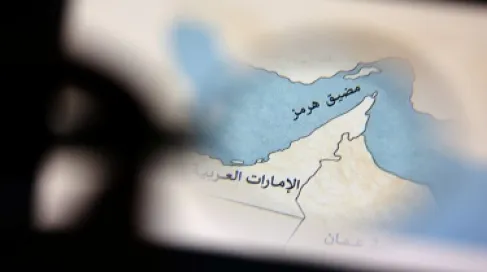
The U.S. Secretary of State emphasized that the Strait of Hormuz is an international waterway not owned by any country, and no party has the right to impose passage fees on it, pointing out that Washington will ensure that any future agreements do not conflict with the interests of its regional partners.
Rubio concluded by affirming that President Donald Trump is open to peace, provided that it does not undermine the security and prosperity of the region's countries or the interests of the United States and its allies in the Gulf.
Rubio arrived today, Thursday, in Bahrain, the last stop on his Gulf tour.
Rubio aims to gain the support of Arab allies in the Gulf for the preliminary agreement that President Donald Trump's administration has reached with Tehran.
Rubio's mission comes amid heightened sensitivity, as he faces increasing doubts from the leaders of the Gulf Cooperation Council countries who fear that the concessions given to Iran will strengthen its regional influence, redraw security balances, and impact the flow of oil in the region.