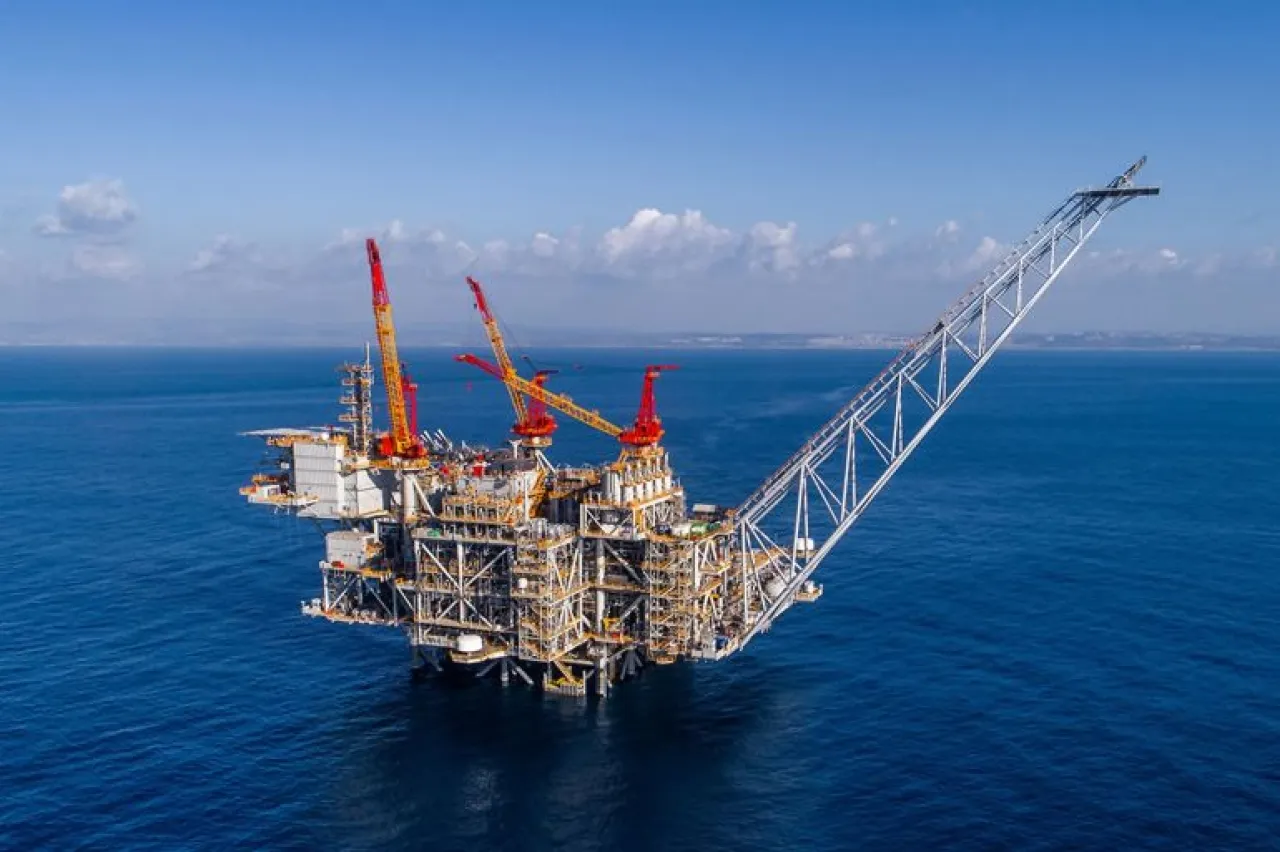
Khaberni - State Comptroller in Israel Matanyahu Englman warned that the country may lose its energy independence within two decades, with the possibility that it may need to import natural gas within about 22 years if current reserves are consumed at the expected rates.
According to the report of this regulatory institution, which was issued today Wednesday and reported by the Israeli Broadcasting Corporation, the discovered gas reserves might not be sufficient to meet future domestic demand, while Israel continues to export a significant portion of its production abroad.
The State Comptroller's report noted that about 49% of the natural gas produced in Israel in 2024 was exported to Egypt and Jordan, criticizing the failure to increase the quantities allocated for the domestic market despite growth in discovered reserves over the past years.
The report clarified that natural gas provides about 70% of electricity production in Israel, yet the Israeli Ministry of Energy has not yet established a long-term policy to secure domestic market needs, nor is there a comprehensive plan for the energy sector or sufficient facilities for gas storage.
Energy Risks
The regulatory report urged the Tel Aviv government to expedite the completion of the energy security strategy and ensure meeting domestic demand in the future, and to prepare for a phase of declining current reserves.
It also warned that Israel is not prepared for the expected closure of the Haifa Bay refineries by 2030, which may lead to increased reliance on imported cooking gas.
According to the report, about 63% of cooking gas is currently produced locally, but this percentage will drop significantly after the refineries close, causing the imports' share to rise to about 82% of the demand.
The report mentioned delays in establishing the necessary infrastructure for importing and storing energy, as Israel currently has only one maritime point for importing cooking gas, while available stocks last only three days of consumption during the winter season.
Huge Losses
The State Comptroller's report also revealed significant delays in operating units 70 and 80 at the "Orot Rabin" power station in the Hadera area of western Israel, with operations delayed by about three years compared to the original schedule.
The report estimated the economic damage resulting from this delay at no less than 4.6 billion shekels (approximately $1.35 billion), including increased costs of electricity production, environmental damage, and increased project costs.
The total cost of the project increased to about 4 billion shekels (about $1.17 billion), with financing costs increasing by 278 million shekels (about $81.5 million) above planned levels.
The report raised criticisms from environmental organizations that argued the continued export of gas before determining domestic market needs threatens future energy security, especially in light of predictions of increased energy demand due to the expansion of data centers and the effects of climate change.