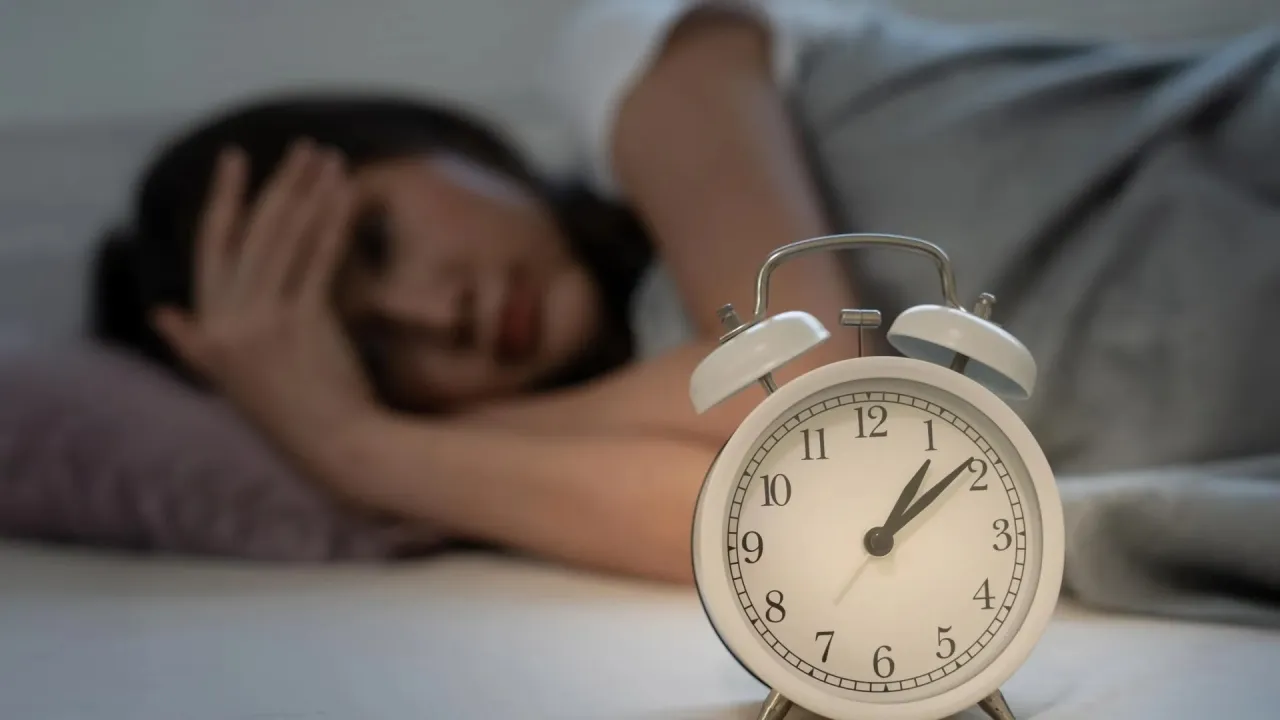
Khaberni - Sleep is one of the most fundamental needs for humans, as it is as important as food and water for maintaining physical and mental health. Yet, many people notice that their need for sleep varies from person to person. Some feel energetic after seven hours of sleep, while others need nine hours or more to feel rested and focused.
This difference raises several questions about the reasons behind the varying sleep requirements among individuals, and whether there is an ideal number of hours that suits everyone, or if each person has their own specific needs.
Does everyone need the same amount of sleep?
Despite general recommendations about the appropriate number of sleep hours for each age group, these numbers do not uniformly apply to everyone.
While most adults need between 7 and 9 hours of sleep daily, some people feel rested with slightly fewer hours, while others need more sleep time to perform their daily activities efficiently.
Therefore, the quality of sleep and feeling energetic upon waking are often more important than focusing on a specific number.
Age is one of the most significant factors
Sleep needs naturally change as one ages. Children and infants need more hours of sleep to support physical and mental growth, while this need gradually decreases with age.
For example:
• Infants may need more than 12 hours daily.
• Children need more hours of sleep than adults.
• Adults typically suffice with 7 to 9 hours.
• Seniors might sleep fewer hours but need regular rest.
This is why sleep needs cannot be compared among individuals from different age stages.
Genetic differences also play a role
1. Some studies suggest that genetic factors may influence the amount of sleep a person needs.
2. Some individuals naturally have a capacity to function and focus well after fewer hours of sleep compared to others, while some need more time to achieve the same level of rest.
3. Though these cases are not very common, they partly explain why sleep needs vary among individuals.
The nature of daily activity also affects
The more physical or mental effort a person exerts during the day, the more the body needs rest and recovery.
A person who engages in intense physical activity or works in a highly focused job may need more sleep compared to someone who spends their day in less strenuous activities.
Periods of stress or intense work may also increase the need for rest.
Sleep quality matters more than the number of hours
A person might sleep eight full hours but wake up tired, while another sleeps only seven hours and feels energetic. The reason behind this is that sleep quality plays a foundational role in achieving restfulness.
Factors that may affect sleep quality include:
• Noise during the night.
• Using a phone before sleep.
• Stress and anxiety.
• Inappropriate temperature levels.
• Various sleep disorders.
Therefore, continuous and deep sleep is often more beneficial than interrupted sleep, even if it lasts for longer hours.
Health status has a direct impact
1. Certain health conditions can affect the body’s need for sleep or the quality of rest a person gets.
2. When the body is recovering from an illness or severe stress, it may require extra hours of sleep to help restore energy.
3. Some sleep disorders can make a person feel tired despite spending long hours in bed.
Why do we sometimes feel the need for more sleep than usual?
It is natural for sleep needs to vary from time to time even for the same person.
Potential increase in sleep need might be due to:
• Physical exhaustion.
• Psychological stress.
• Travel and changes in sleep schedules.
• Lack of sleep during the preceding days.
• Seasonal changes sometimes.
So, there is no need to worry about the need for extra hours of sleep from time to time if it occurs temporarily.
Is more sleep always better?
Some believe that more sleep hours mean better health, but it's not that simple.
Getting enough sleep is important, but consistently oversleeping can sometimes be an indicator of other underlying issues, especially if it’s accompanied by continuous tiredness or decreased activity.
Thus, balance remains the most crucial factor.
How do you know if your sleep is sufficient?
Instead of focusing only on the number of hours, sleep adequacy can be assessed through some simple indicators:
• Waking up without feeling extremely tired.
• The ability to concentrate during the day.
• Not feeling continuously sleepy.
• Maintaining a good level of activity and energy.
• Not needing frequent naps during the day.
If these indicators are present, it is likely that the body is getting the appropriate amount of rest.