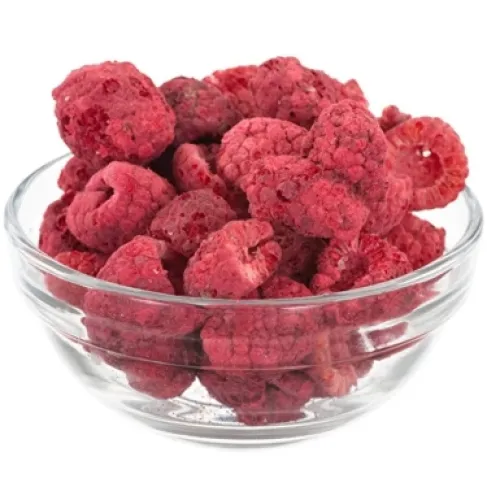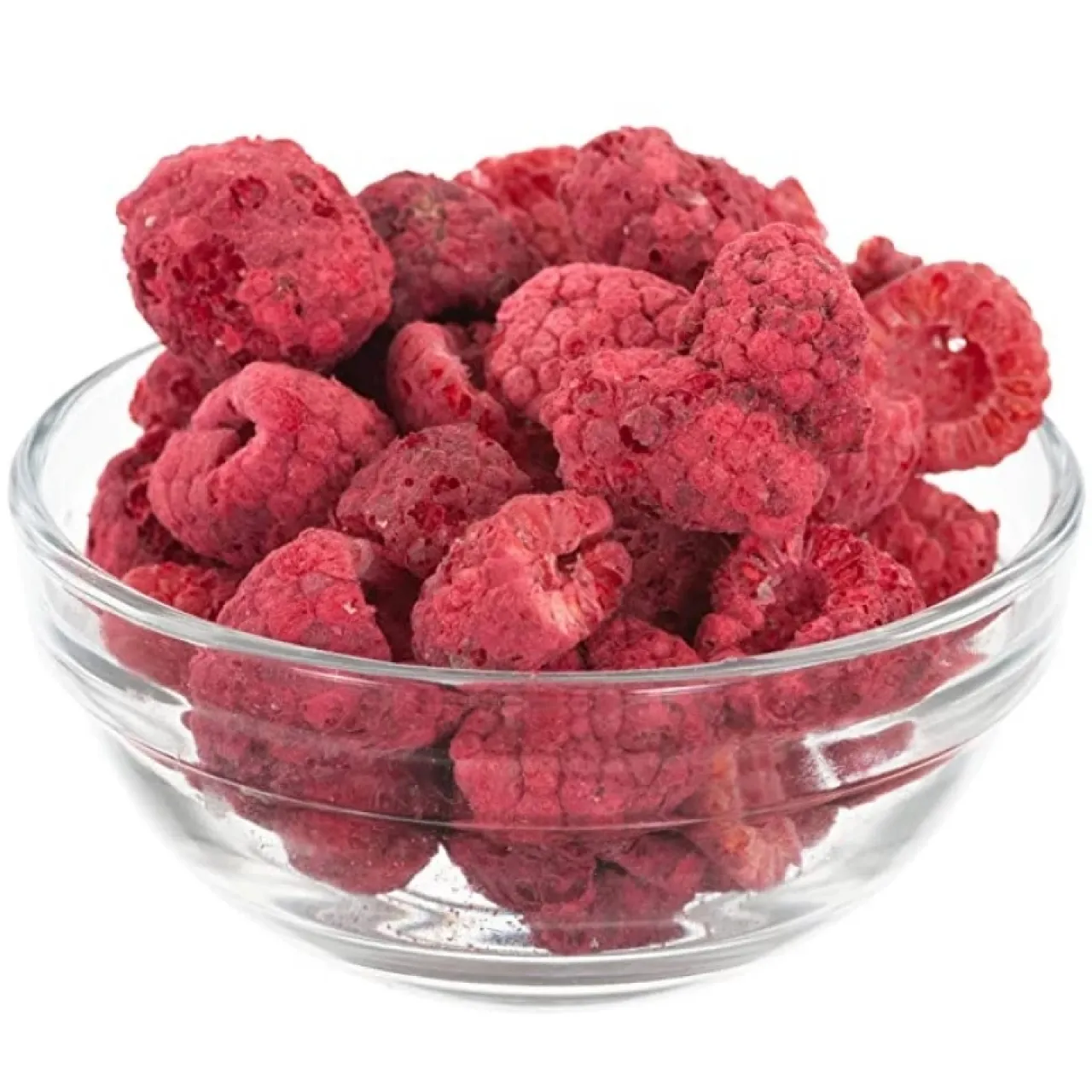
Khaberni - Researchers have discovered that canned or frozen fruits and vegetables can be a healthy and economical alternative to fresh products.
This comes at a time when the cost-of-living crisis is compelling many to look for less expensive, more durable food options.
Despite the common belief that fresh produce is always the best option, research suggests that frozen and canned fruits and vegetables retain most of their nutritional value and may match or exceed their fresh counterparts in some cases.
Dietary guidelines for adults recommend consuming at least two servings of fruit and five servings of vegetables daily, whether fresh, frozen, or canned. For example, a half cup of frozen broccoli or canned beans constitutes one vegetable serving, while a cup of canned peaches or frozen mango constitutes one fruit serving.
Frozen and canned products are characterized by their lower cost compared to fresh products, in addition to being ready to use and easy to store for long periods, reducing food waste and ensuring availability throughout the year.
From a nutritional standpoint, most frozen and canned fruits and vegetables retain their content of essential nutrients. Studies indicate that their nutritional value may be equivalent to fresh products that have been stored in the refrigerator for a week. In some cases, preservation processes may increase levels of certain nutrients, as in the case of frozen apricots, which contain a higher level of vitamin "C" compared to fresh apricots.
Freezing relies on low temperatures that slow down food spoilage and preserve its color, texture, and nutritional value. However, repeatedly thawing and refreezing frozen products can affect their quality and nutritional value.
It should be noted that frozen fruits and vegetables may be prone to contamination with Listeria monocytogenes, but cooking them well before eating reduces this risk.
On the other hand, the canning process relies on sterilizing foods at high temperatures, allowing them to be stored for long periods at room temperature. Although heat may lead to the loss of some vitamins, particularly water-soluble ones like vitamin "C", modern canning techniques have helped reduce this loss and improve product quality.
When buying canned products, experts recommend choosing low-sodium varieties or those labeled "no added salt," and rinsing canned vegetables before eating to help reduce sodium intake.
It is preferred to choose canned fruits preserved in their natural juice or those labeled "no added sugar," rather than products preserved in sweet syrup.
These products provide easy options for daily use; canned fruits can be eaten with yogurt or breakfast cereals, while frozen vegetables can be added to quick dishes, soups, and stews. Canned legumes, such as chickpeas, lentils, and beans, are a practical way to increase fiber and protein intake without needing long preparation times.
While dried legumes like lentils, chickpeas, and beans remain an excellent nutritional option and often have a longer shelf life and higher nutritional value, they require more time for preparation and cooking.
As for dried fruits, they are not recommended as a daily substitute for fresh, frozen, or canned fruits, as the drying process increases their sugar concentration, though they are suitable as a snack when consumed in moderation.