Creation Date 15:55:50 23 -06- 2026 Last Update 16:01:41 23 -06- 2026
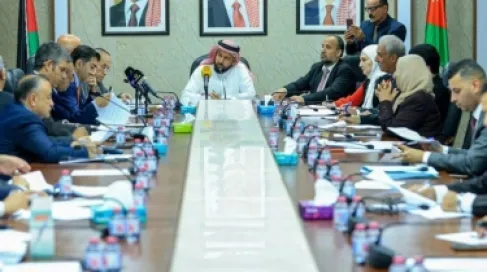
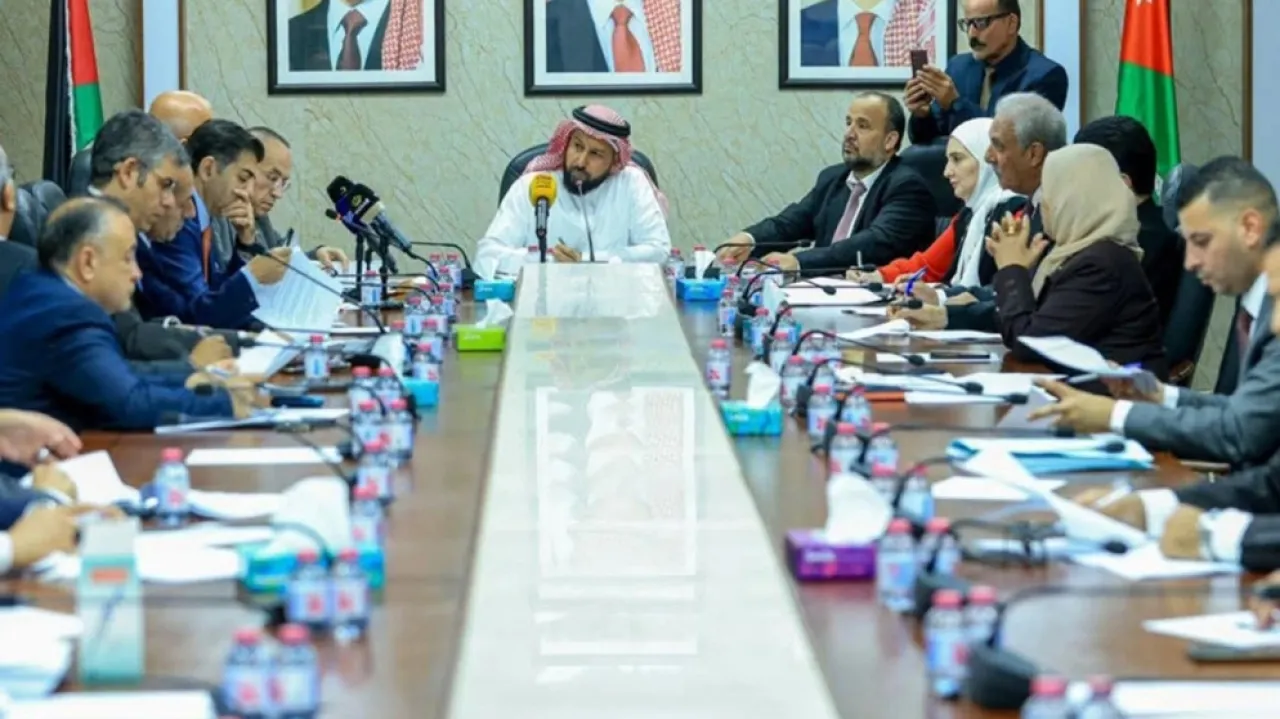
The Parliamentary Education and Teaching Committee, chaired by Ibrahim Al-Qaralleh, listened Tuesday to the opinions and suggestions of a number of university presidents and representatives concerning the draft amendment of the Jordanian University Law for the year 2026, sent by the government to the House of Representatives.
Al-Qaralleh emphasized the importance of dialogue and consultation with academic institutions when discussing legislation related to the higher education sector, highlighting the committee's commitment to listen to various viewpoints and comments, which contributes to the law project's development and the achievement of its desired goals.
He added that the committee adopts a participatory approach in discussing legislative projects, especially those related to higher education, due to this sector's pivotal role in preparing national competencies and enhancing comprehensive development, emphasizing the importance of reaching legislations that keep pace with the sector's developments and changes.
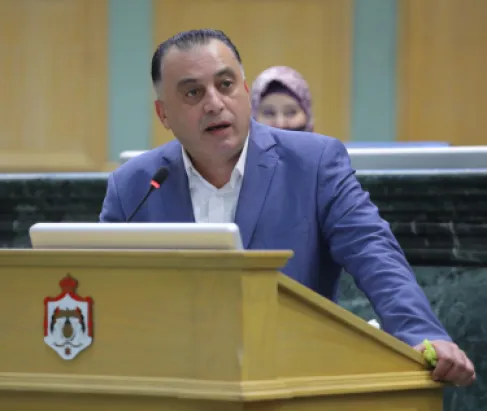
On their part, the deputies, Ibrahim Al-Hamidi, Abdel Hadi Breizat, Tamara Nasser Al-Din, and Feryal Bani Salman, stressed the importance of developing legislations that govern the higher education sector to meet current challenges and changes, and contribute to enhancing the quality of education, scientific research, and the efficiency of Jordanian universities' performance.
From their side, the university presidents and representatives made several observations and proposals on the draft law, notably revisiting the texts related to the absence of faculty members during the first year of appointment, to fulfill the requirements of academic work and maintain the stability of the educational process.
They also emphasized the importance of the trustees' councils members having expertise and competence in higher education, management, and governance fields, enabling them to perform their role in forming general policies for universities and enhancing institutional development paths.