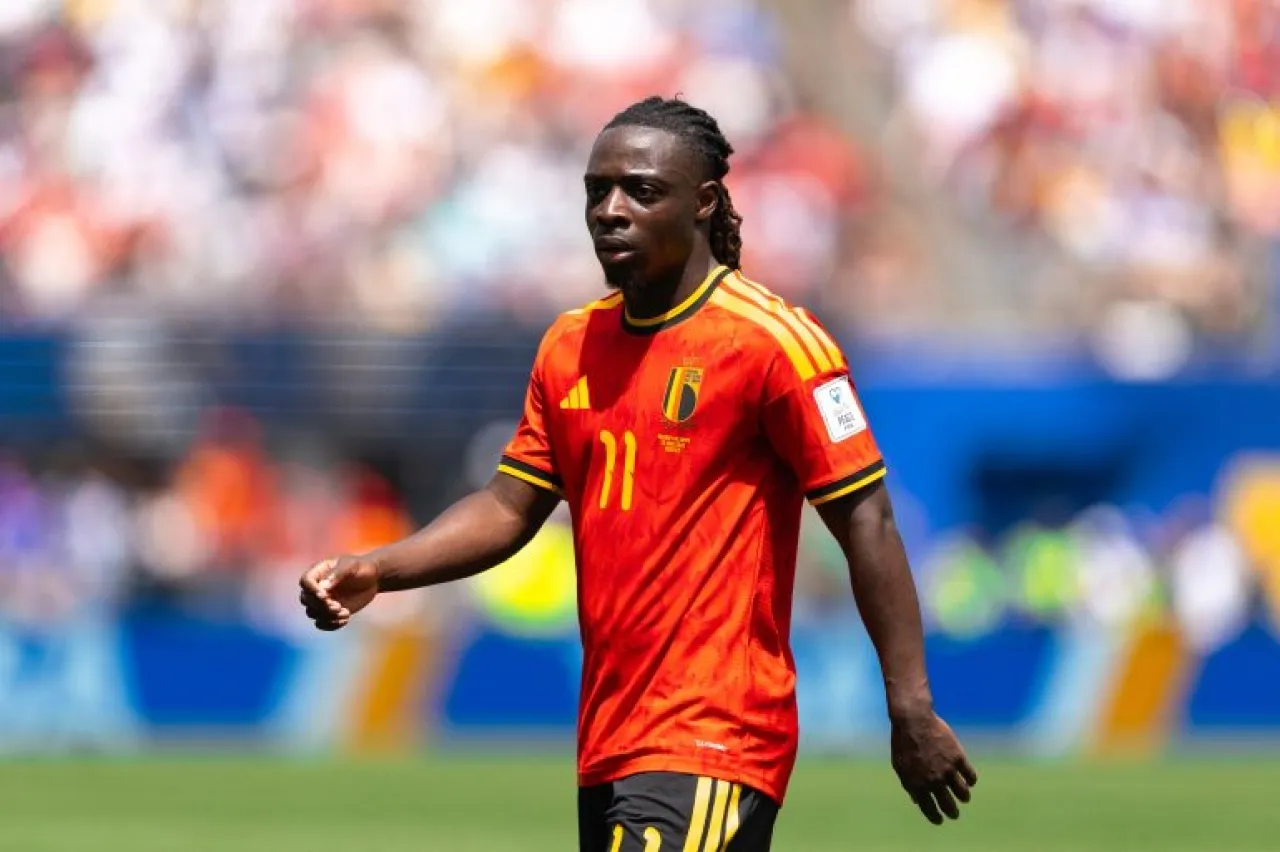
Khaberni - A humanitarian story related to the 2026 World Cup turned into a wide media crisis after French presenter France Perron made sharp comments on the television program "Dream Team," criticizing Belgian player Jeremy Doku's decision to leave his national team's camp to attend the birth of his first child.
What started as a simple human-interest story quickly escalated into a major controversy that transcended the boundaries of sports, after the presenter described the decision as unacceptable, at a time when the player was experiencing a conflict between a significant national responsibility and a unique family moment.
However, what was not expected was that these statements would lead to a strong reaction that ended with the suspension of the presenter, after a wave of criticism that considered the coverage lacked the minimum human empathy.
The Presenter's Statements Ignite Controversy
During her TV appearance, France Perron expressed her strong rejection of the idea of the player leaving the national team camp during a major tournament, considering that representing the national team in the World Cup should be an absolute priority.
She did not stop there; she described the player's decision to focus on his family at that moment as unacceptable, which sparked angry reactions on social media platforms, where many considered the statements exceeded the boundaries of sports criticism to judging human choices.
The debate intensified after using terms described as harsh, considering that the father's role at that moment had no significance, which sparked a wide wave of anger that prompted followers to demand accountability for the media figure.
Not long after, the shocking decision came to suspend the program in which the presenter appeared, in a move considered by many as a direct response to the widespread public outrage.
The suspension was a result of what was described as a lack of balance in handling a sensitive human situation, especially since the discussion involved the moment of a child's birth, an occasion considered one of the most significant events in anyone's life.
This decision led to reopening the debate on the limits of media criticism, and whether it is acceptable to exceed the human aspects in commenting on the personal lives of athletes.
Doku Between the National Team and Family
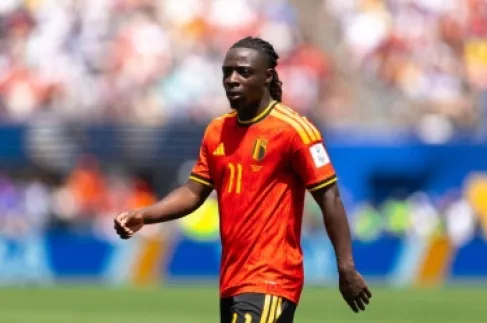
At the heart of this crisis, Belgian player Jeremy Doku found himself in a difficult position, after deciding to leave the national team camp to be alongside his partner at the birth of their first child.
The player clarified that the decision was not easy, but he considered that the first moment of fatherhood could not be compensated, even if it came at the cost of participating in a world championship.
He confirmed that the Belgian federation showed understanding of his circumstances, which eased the pressure surrounding him, but he remained aware of the great responsibility placed on him as an international player.
Ostigard Chooses a Different Path
In contrast, Norwegian defender Leo Ostigard chose a completely different stance by not leaving the camp but watched the moment of his child's birth through a video call with his partner.
He justified his decision due to the national team's busy match schedule in the World Cup, which made him prefer to stay with the team while maintaining communication with his family during this important moment.
He expressed his happiness with the experience despite its distance, assuring that he tried to support his partner as much as he could despite the distance separating them.
The story quickly turned into a global debate among fans, where opinions were divided between those who saw that family should come first, and those who considered that national commitment in the World Cup should be an unquestionable priority.
However, what many agreed upon is that the incident revealed the deep human aspect of the lives of players, who experience double pressure between the green field and the demands of personal life.
Beyond goals and outcomes, this story presented a different image of football in the 2026 World Cup, where tales are not limited to what happens on the field but extend to personal decisions that can entirely change the lives of players.