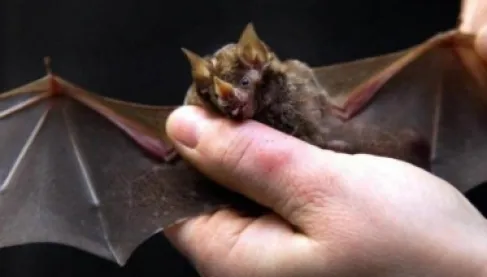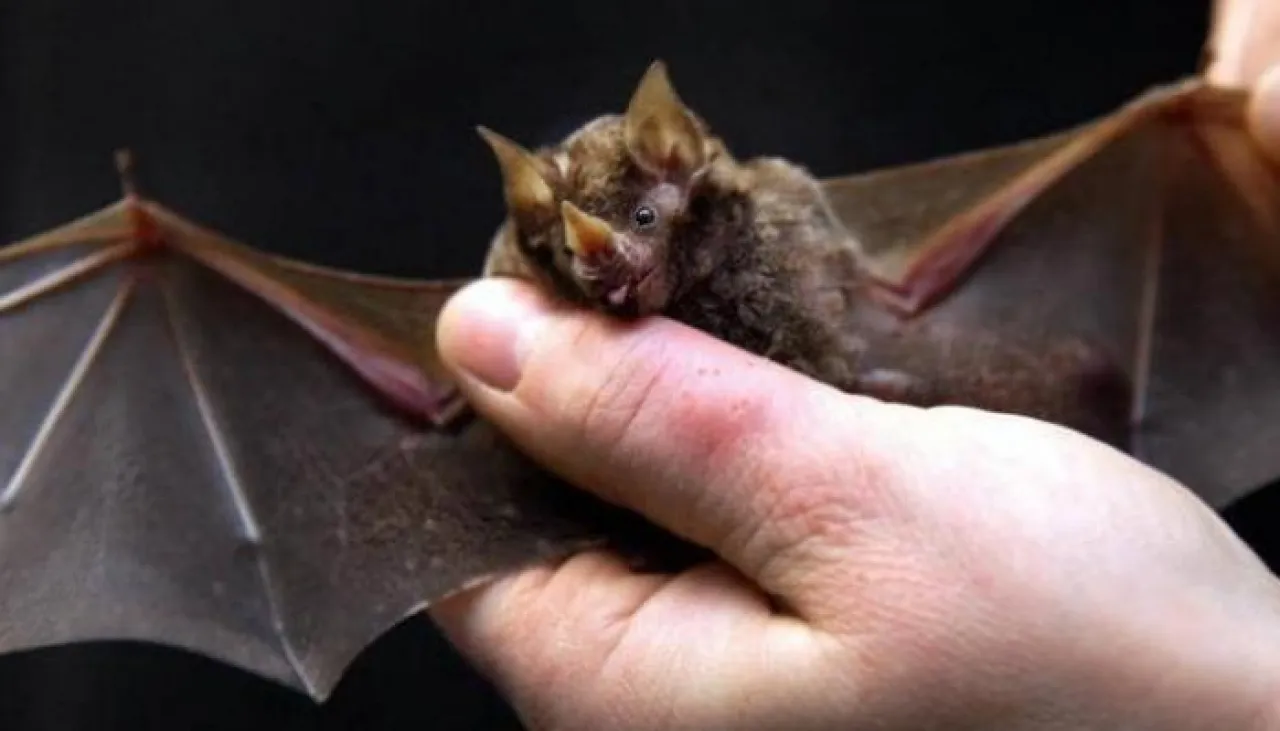
Khaberni - A study revealed that a single amino acid change in a coronavirus living in bats might be enough to transform a harmless virus into one harmful to humans.
The study, published in the journal "Cell Host & Microbe," offers a new explanation for how viruses are transmitted from animals to humans, a mechanism behind most major pandemics in history, including the COVID-19 pandemic.
The researchers focused on comparing the new coronavirus that causes COVID-19 with a related virus known as "RaTG13", which lives in bats and does not infect humans.
Through studying the interaction of the two viruses inside human lung cells and cells of the greater horseshoe bat lung, the team discovered a fundamental difference in a viral protein called "OrfB9".
Interestingly, the two versions of this protein differ by only one amino acid out of about 100, but this small change made a huge difference in how the immune system handles the infection.
In human cells, the new coronavirus protein was able to disable the "immune warning system" within the cell, giving the virus a chance to multiply freely. Meanwhile, in bat cells, the "RaTG13" virus protein did the exact opposite, as it stimulated an immune protein that helped curb the virus.
The researchers say these findings reveal that the transition from a "bat-constrained virus" to one capable of causing a human pandemic may depend on very precise genetic modifications.
The lead researcher of the study, Nevan Krogan, explained that understanding these "molecular fingerprints" could form an early warning system to monitor animal viruses that carry the highest risk of transmission to humans, before they become a global threat.
How does the virus move from bat wings to human bodies? Study reveals the key - Image 2
The scientists believe these results represent an important step toward creating predictive maps of epidemic risks by tracking small changes in animal virus proteins, which could give the world valuable time to prepare before the next pandemic emerges.