Khaberni - The Ministry of Energy and Mineral Resources confirmed that it focuses on enhancing the flexibility and efficiency of the electrical grid to face the challenges of solar and wind energy fluctuations, through a package of projects.
It explained that among these projects, an expansion in the energy storage systems through an anticipated project for batteries with a capacity of 100 megawatts and a storage duration of 4 hours, in addition to a strategic project for water pumping and storage with a capacity of 450 megawatts.
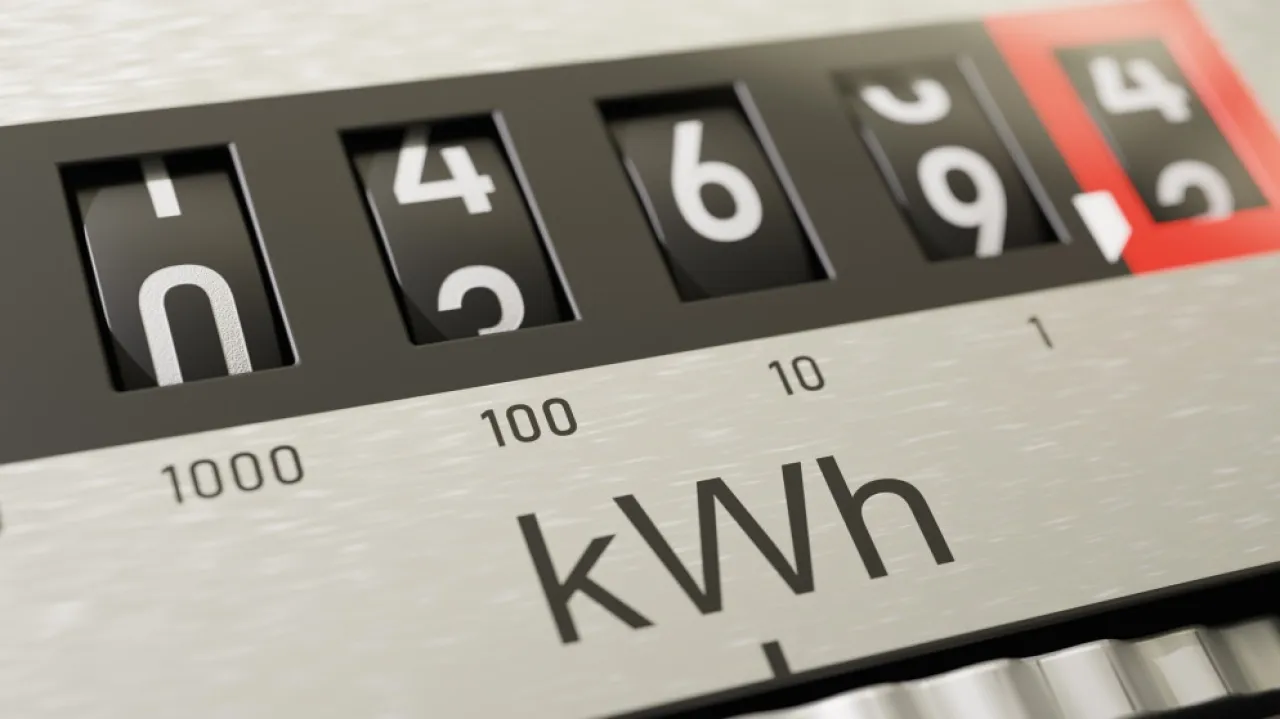
It added that the plan also includes completing the installation of smart meters in preparation for implementing time-related tariffs, which contributes to better load management, alongside continuous updates of legislative and regulatory frameworks to ensure the integration of modern technologies efficiently into the national electrical system.
The Secretary-General of the Ministry, Amani Al-Azzam, during sponsoring a workshop on "Hybrid Transformers and Battery Energy Storage Systems," stated that electrical energy storage systems are no longer merely modern technology, but have become one of the key enablers for the next phase of energy sector development in Jordan, due to their role in enhancing the flexibility and reliability of the electric system and maximizing the benefits from renewable energy sources.
Al-Azzam mentioned that Jordan has achieved a significant transformation in the energy sector over the past decade through diversifying its sources and enhancing its supply security, and building a leading experience in renewable energy.
She highlighted that the next phase would focus on building a more flexible, efficient, and capable electrical system to integrate more renewable energy, emphasizing that the success of the energy transition is not only measured by the size of installed generation capacities but by the Kingdom's ability to manage these resources efficiently and maximize their economic value.
She pointed out that Jordan has taken significant legislative and regulatory steps to develop the electricity sector, which included introducing the concept of electrical energy storage for the first time within the legal framework regulating the industry, along with the introduction of the concept of independent electric networks designated to support strategic projects.
Al-Azzam noted that the energy sector strategy for the years 2025–2035 aims to increase the contribution of renewable energy to electricity generation to 40% under the usual business scenario, and 55% in the optimistic scenario, with the implementation of distinctive projects for storing electric energy with capacities up to 400 megawatts by 2030.
She affirmed the importance of developing policies, regulatory, and financing frameworks that ensure the maximum benefit from energy storage technologies, contributing to building a more flexible and future-ready electrical system.
The workshop aimed to explore ways to support the deployment of energy storage systems and hybrid transformers in Jordan and the region, reviewing the technical, regulatory, and economic aspects associated with these solutions, contributing to enhancing the national energy transformation pathway, and supporting the shift towards a more sustainable and efficient energy system.