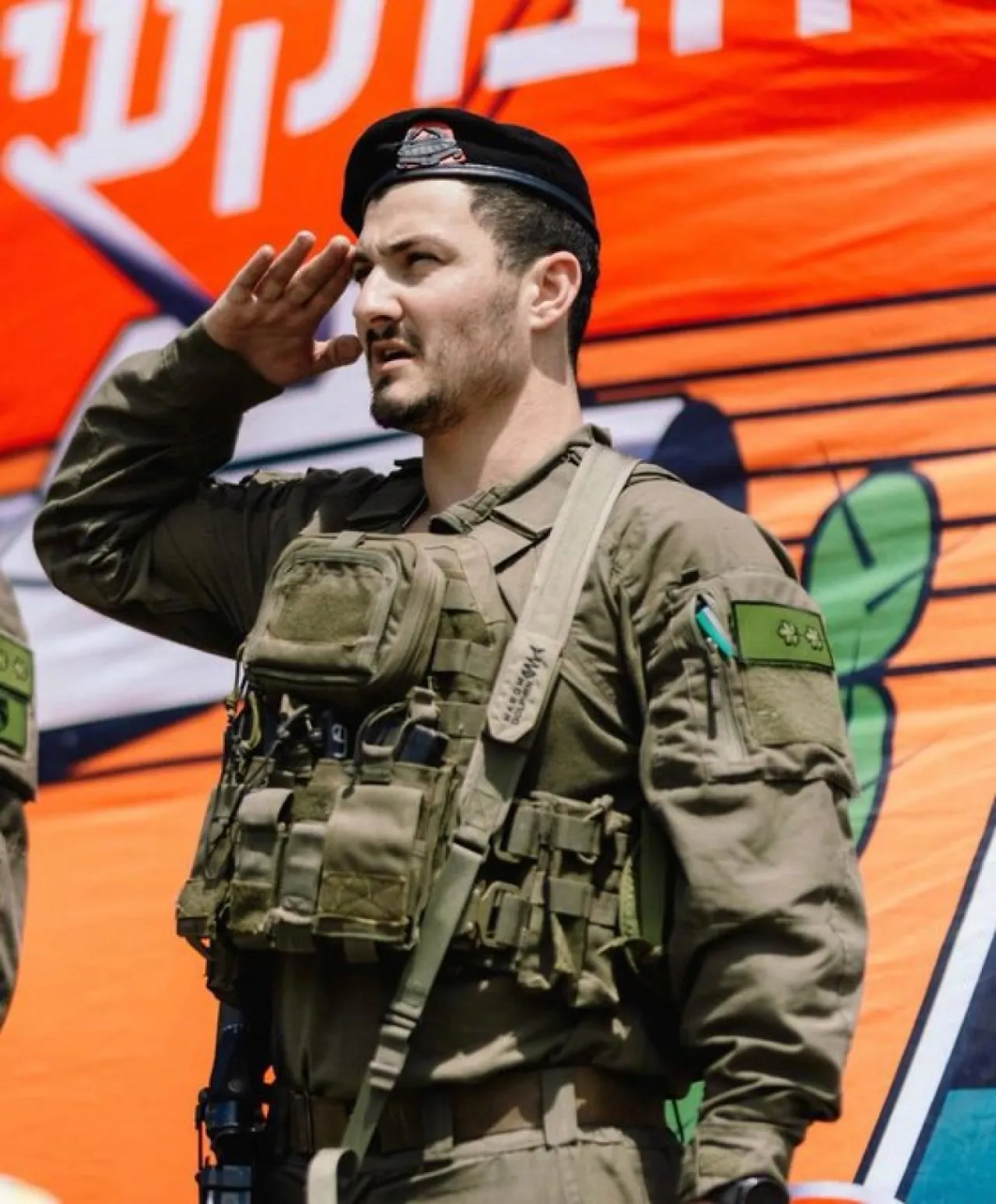
Khaberni - Amid the fierce battles that Gaza has witnessed over the span of two years, and now in southern Lebanon, the outline of a crisis hitting the core of the elite units in the Israeli army has been revealed, specifically highlighting "Battalion 52" affiliated with Armored Brigade 401 as a clear model of unprecedented attrition.
This battalion, which has long been a pride of the military establishment, has turned into a stage for the successive downfall of leaders, in conjunction with a dark record of documented crimes against Palestinian civilians and the destruction of their villages in Gaza.
A Bloodstained Record
According to official documents of the Israeli army, Battalion 52, known as "the Superb", was established in March 1947, and the Israeli military literature boasts of this battalion's history in the battles of Negev, repelling the Egyptian army, and its formation that includes combat companies like "Vampire" and "Spearhead".
However, the actual situation in the Gaza Strip paints a completely different picture from this narrative, where the name of the battalion is associated with the most heinous war crimes committed by the army over two years of genocide.
The name of this battalion has been linked to wiping out entire residential areas, notably the destruction of the village "Umm al-Nasr" located in northern Gaza Strip and leveling it to the ground.
What’s worse, the forces of Battalion 52 are linked to a crime that shook the global conscience, involving the execution of the Palestinian girl Hind Rajab along with her family members and the medical teams that tried to save them in Gaza City, leaving behind a legacy of excessive bloodshed against civilians.
The Leadership Guillotine.. The Collapse of the Hierarchy of Battalion 52
Amid these crimes, it seems that the front lines have turned into a trap for the battalion’s leaders, and according to what was published by Israeli newspapers and websites, all the leaders of Battalion 52 since the beginning of the war on Gaza and Lebanon after October 7, 2023, have been killed or injured in the battlefields, as follows:
• Lt. Col. Daniel Elia (July 2024): The first commander of the battalion in this war, he sustained moderate injuries during the combat in Rafah, southern Gaza Strip, and was later assigned training duties after his treatment.
• Lt. Col. Yehuda Shaliv (October 2024): The second commander, he suffered severe injuries due to an explosive device in Jabalia, northern Gaza, in the same incident that saw the fall of the commander of Brigade 401, Colonel Ihsan Daqsa. Shaliv is still undergoing a lengthy rehabilitation process.
• Lt. Col. Ofer Yul (April 2026): The third commander of the battalion, he sustained critical injuries during the fighting in Bint Jbeil, southern Lebanon.
• Lt. Col. Dor Ben Shimol (April and May 2026): The fourth commander of the battalion, fell with three of his soldiers, days before when their command tank was hit directly by an anti-tank missile fired by Hezbollah fighters in the village of Kafr Tibnit, north of the historic Shqif Castle in southern Lebanon.
The losses did not just affect the battalion level but also reached the top of the hierarchy of Armored Brigade 401, where the brigade lost its commander, Colonel Ihsan Daqsa, in Jabalia, after an ambush by the resistance on October 20, 2024, in northern Gaza Strip.
Meanwhile, his successor, Colonel Meir Biederman, suffered severe injuries last May due to an attack with an explosive drone in the Lebanese village of Dibel, and "Yedioth Ahronoth" described this succession of command blows as "repeated severe strikes received by the chain of command", confirming that Brigade 401 as a whole paid a heavy price in these confrontations.
The Training Crisis.. Patching at the Expense of Competence
This leadership collapse cannot be separated from the crisis afflicting the Israeli army due to the ongoing state of war. In a report published by Israeli media outlets in August 2025, it revealed a crisis in the ranks of armored forces due to a sharp decline in the number of fighters.
To address this shortage, the Israeli army decided to dangerously reduce professional standards in training reserve tank soldiers, cutting the duration of conversion training by 50% to only five days for training on older model tanks (Merkava Mark 3 instead of Mark 4).
Officers in the Fourth Brigade expressed their severe concerns about this measure, noting that five days are only sufficient for basic tank operation but do not qualify soldiers for handling complex combat situations, questioning the wisdom of sending unqualified forces to sensitive and volatile borders.
Despite a senior army officer acknowledging the reduction in training as necessary to address the shortage and reduce the burden on reserve soldiers, the report concluded with a clear result indicating that the army is improvising and lowering standards in a way that makes security consequences extremely dangerous.
Continuous Attrition
This harsh loss is not limited to Brigade 401 and Battalion 52, but reflects a broader scene of Israeli army losses on the northern front, with Israeli military data indicating the deaths of 36 officers and soldiers in confrontations with Hezbollah fighters since the outbreak of the fighting last March.
This toll is accompanied by dozens of military personnel injuries, a result of Hezbollah intensifying its strikes using suicide drones and guided missiles against the gatherings of Israeli forces deeply entrenched inside Lebanese territory.
The Israeli Broadcasting Corporation reported a tendency to reduce the number of forces in southern Lebanon in the coming days, based on military assessments indicating that most planned offensive missions have been completed.
In a related context, the Corporation explained that there is a desire by President Trump's administration for a partial Israeli withdrawal from the area, although a source in Israel informed the channel, confirming that the forces will not withdraw from any line that poses a risk to settlements or allows launching anti-tank missiles, explaining that all other matters are fully subject to the course of negotiations.