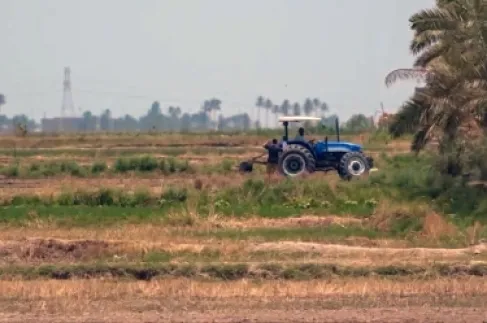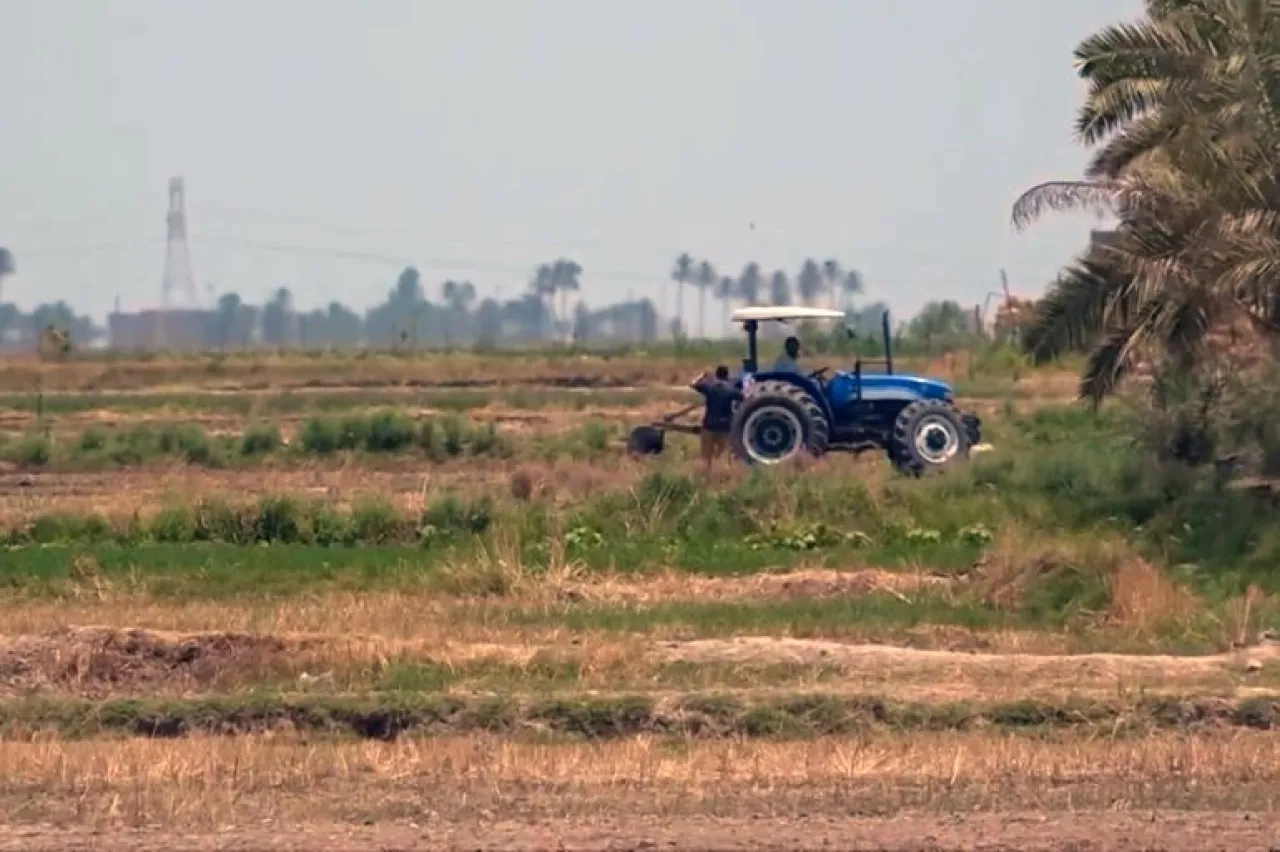
Recent climate data and reports indicate that the Arab Maghreb countries are facing an escalation in heat waves and a decline in precipitation, raising concerns about the future of spring crops.
These climate changes are directly affecting agricultural production and presenting farmers with increasing challenges that may reflect on food security and price stability in local markets.
According to a recent study published by "Earth Systems & Environment", large areas of North Africa are likely to experience continued increases in temperature, with a decrease in precipitation rates that could reach 30% in some climate scenarios, exacerbating pressure on water resources and agricultural activities.
The Food and Agriculture Organization (FAO) of the United Nations indicates that the Middle East and North Africa region will become "hotter, drier, and more prone to extreme weather events", with expectations of declining agricultural production due to accelerated climate changes.
In a joint report, FAO and the World Meteorological Organization warned that heat waves are now posing a direct threat to global food systems, given their impact on agricultural crops, water resources, and labor in the agricultural sector.
In this context, agricultural expert and engineer Ibrahim Al-Anabi said, "What the Arab Maghreb countries are experiencing today is no longer just seasonal fluctuations but accelerated climate changes that have begun to significantly affect the agricultural cycle and the productivity of several crops."
How do heat waves affect spring crops?
Explained to Al Jazeera Net, "The rise in temperatures during the spring season leads to accelerated evaporation from the soil, reducing the plants' ability to grow naturally, especially during the flowering and fruiting stages," adding that some crops are losing an important part of their productivity due to heat stress.
The speaker indicated that "crops dependent on rain are the most vulnerable, as the decline in precipitation often coincides with periods of high heat, which weakens the soil's ability to provide the necessary moisture for the crops."
The farming expert emphasized that crops like cereals, which have reached the harvest stage in several regions, are significantly threatened, especially with the increasing risk of fires.
He added that high temperatures and the rapid drying of plants and residues increase the likelihood of fires within fields, urging farmers to "be cautious when using harvesting machinery and avoid operating it during peak heat times."
The same speaker pointed out that a recent scientific study warned that North Africa, including Morocco, Algeria, and Tunisia, is experiencing unprecedented escalation in the intensity and frequency of heat waves as a result of changes in atmospheric pressure systems and the trapping of hot air masses.
Which crops are most affected?
Ibrahim confirmed that cereals, legumes, and seasonal vegetables are at the forefront of crops affected by heat waves, as they require a climate balance and sufficient moisture during critical growth stages, explaining that excessive heat can sometimes lead to a significant decline in both product quality and yield.
He mentioned that some farmers spontaneously increase the amount of irrigation during periods of high heat, which is a technical mistake that can lead to root suffocation and rot and open opportunities for fungal diseases to spread.
He emphasized that managing water during heat waves should be based on rationalizing irrigation according to soil quality, the nature of the crops, and the adopted irrigation system, highlighting that the goal is not to increase the water amount, but to provide the plants' needs in a balanced way.
Among the solutions recommended by Al-Anabi is the reliance on natural products and plant extracts that help strengthen the plants' resistance to heat stress, explaining that "materials extracted from seaweed or plants capable of surviving harsh conditions contribute to increasing plant resistance to heat."
As for the international farming engineer and plant protection expert, Said Amazouz confirmed that "excessive heat accompanied by low humidity negatively affects spring crops because it increases the severity of water and heat stress to which the plants are exposed."
Have these effects started to reflect on prices and production?
Explained by Said, "The continuation of heat waves directly reflects on the productivity and quality of crops, which can lead to market disruptions and rising prices of some agricultural products."
The agriculture expert added that farmers are now facing doubled challenges between rising production costs and declining productivity, amid limited water resources.
He noted that "the small farmer remains the most affected, due to the lack of technical and financial capabilities that allow him to adapt to harsh climatic conditions."
What are the possible solutions to adapt to these changes?
Said clarified to Al Jazeera Net that facing these climate conditions requires adopting precise technical measures, including gradually increasing irrigation before the rise in temperatures, with emphasis on watering during the evening or night hours to reduce evaporation rates.
He added that it is essential to assist plants to adapt to harsh climatic conditions by using biostimulants, whether through spraying or watering, as they play a role in strengthening the plant's immunity and improving its resistance to stress.
As for crops in covered greenhouses, Said called for using lime over the plastic or adopting shaded nets to reduce direct sunlight, in addition to using misters and sprinklers inside covered greenhouses to help lower temperatures and improve humidity.