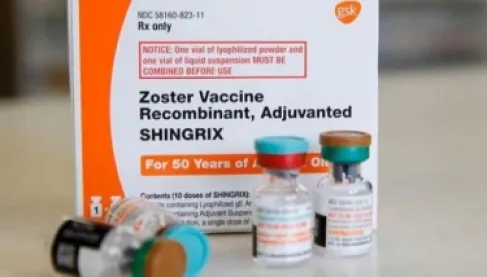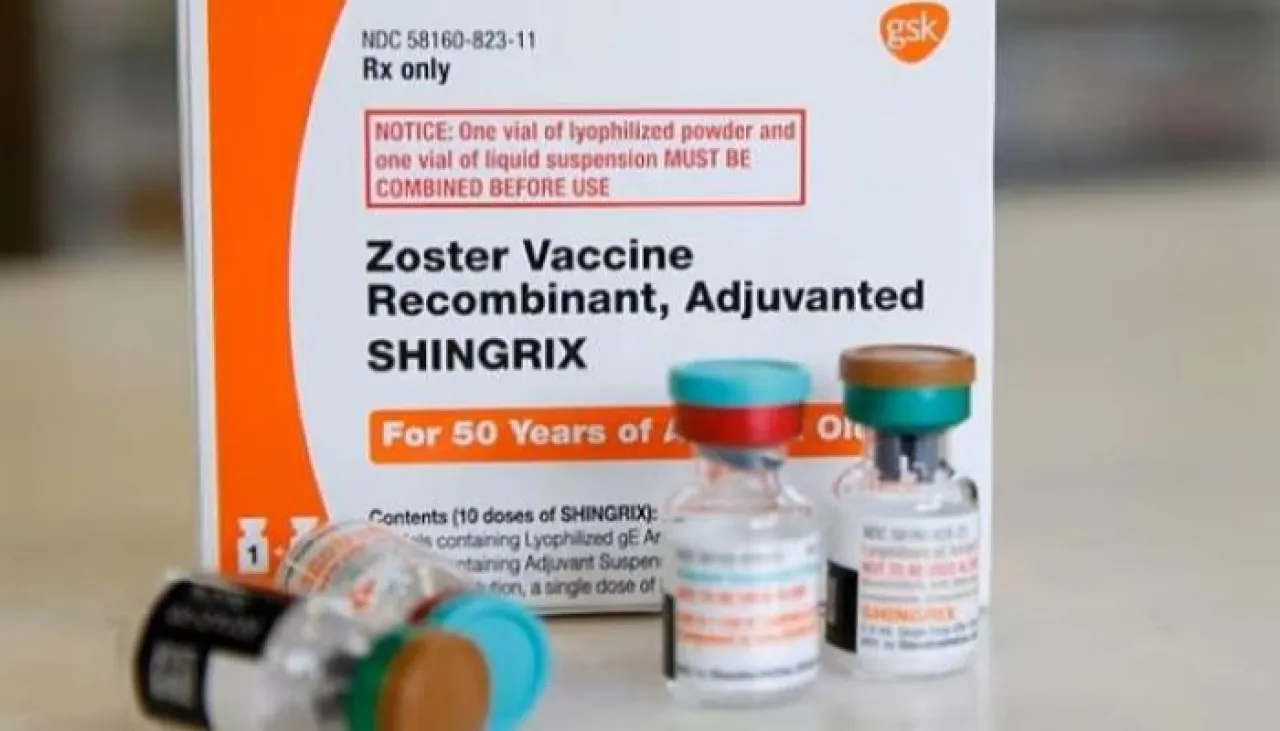
Khaberni - A new study added further evidence to the growing hypothesis that the shingles vaccine may play a role in reducing the risk of dementia.
The study, conducted by researchers in the United States, analyzed data from more than half a million people, and found that those who received the shingles vaccine, scientifically known as the “recombinant vaccine against herpes zoster,” were 24% less likely to develop dementia compared to those unvaccinated.
Dementia is an umbrella for several neurological diseases, the most prominent being Alzheimer's disease, which gradually leads to deterioration of memory, cognitive abilities, and behavior, while there remains no definitive cure so far.
According to the results of the study, published in the journal "Annals of Internal Medicine," the incidence of dementia during four years of follow-up was 19% among the vaccinated, compared to 24% among the unvaccinated.
This discovery is particularly significant as the average age of the participants was 79 years, an age group that is among the most susceptible to dementia, with about two-thirds of the participants being women.
Researcher Kalen Hayes of Brown University’s School of Public Health said that scientists are still unsure of the direct reason behind this protective effect, but several hypotheses have been suggested.
One of these hypotheses suggests that a shingles infection could lead to neural inflammations in the brain and spinal cord, inflammations that have long been associated with an increased risk of dementia and strokes. Therefore, preventing the infection through vaccination may help curb this inflammatory pathway.
Researchers also believe that stimulating the immune system through vaccination may play an additional role in reducing the chronic inflammatory processes that affect brain health.
Despite the broad welcome of the results by independent experts, researchers emphasized that the study is “observational,” meaning it does not prove a direct causal relationship, but reveals an association that needs to be confirmed through extensive clinical trials.
These results bolster previous studies that suggested broader benefits of the vaccine, including reducing the risk of vascular dementia by up to 50%, in addition to lowering the chances of heart attacks and strokes.
Scientists hope that these results will lead to larger clinical trials that may help in the future use of common vaccines as a preventive measure against neurodegenerative diseases, at a time when the number of people diagnosed with dementia worldwide is estimated to be in the tens of millions.