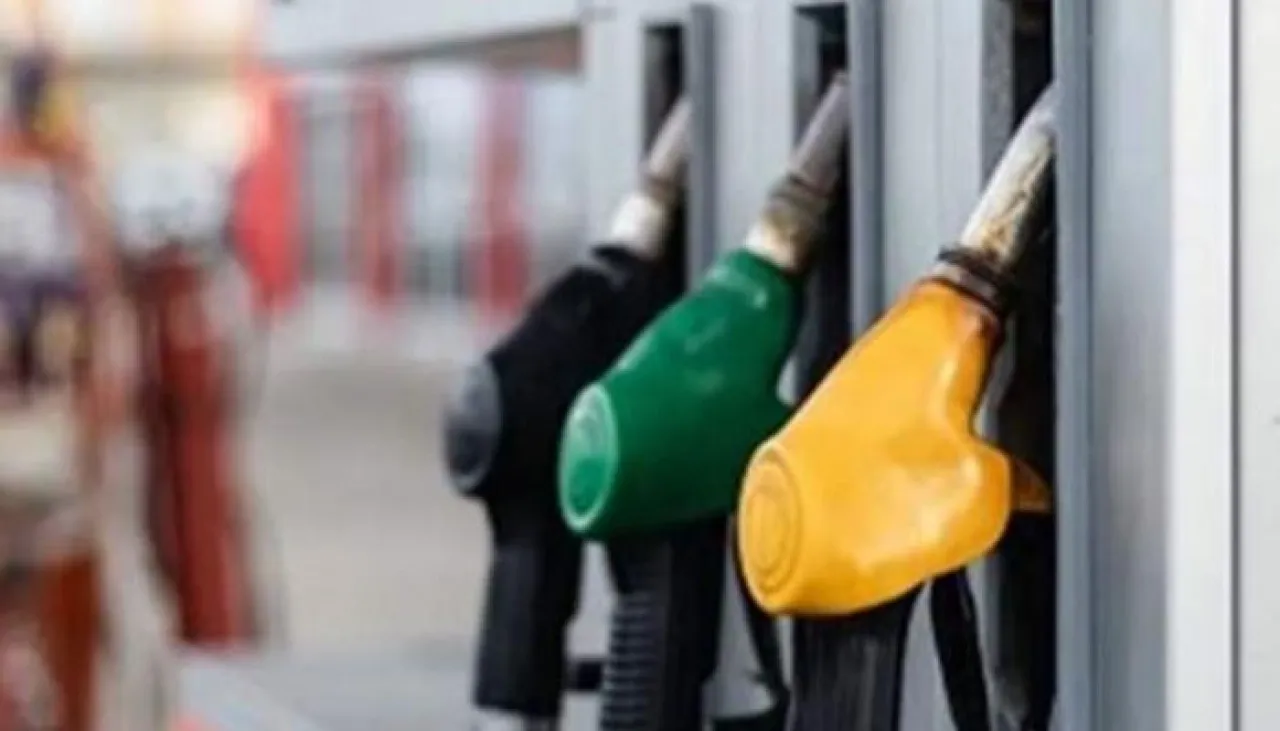
Khaberni - Fuel prices in Lebanon recorded a new decline today, Sunday, June 21st/June, according to the latest official data, and this decrease responded to a drop in oil prices in the global markets.
Globally, oil ended last week's transactions on a global downturn after Washington and Tehran agreed to reopen the Strait of Hormuz.
According to Reuters, traders said discounts on Ural crude shipments scheduled for delivery to Indian ports on a delivered onboard at the port of arrival basis in July/August increased to about $4 per barrel compared to dated Brent crude, after ranging between $2 and $3 per barrel two weeks ago.
So far, the U.S. Treasury Department has not extended an exemption from sanctions on transported Russian oil shipments that expired at midnight on Wednesday.
Despite this, officials from President Donald Trump's administration have not yet clarified whether the absence of an announcement means the reimposition of sanctions on Russian oil, while some traders say many Indian refining companies continue to buy this type regardless of the American stance.
Today's fuel prices table in Lebanon
The official update showed a significant decline in the prices of the most consumed oil derivatives in the Lebanese street, and the officially adopted prices at all stations are as follows:
Price of a 95-octane gasoline canister: recorded 2,312,000 Lebanese pounds, down by 38,000 pounds from the previous table.
Price of a 98-octane gasoline canister: recorded 2,330,000 Lebanese pounds, showing a decrease of 38,000 pounds.
Price of a diesel oil canister for vehicles and heating: recorded 1,964,000 Lebanese pounds, with a decrease of 41,000 pounds.
Price of a household gas cylinder: stabilized at 1,224,000 Lebanese pounds without any financial value adjustment.
What are the reasons behind the fluctuations in gasoline prices in Lebanon?
The energy markets in the state are negatively and positively affected by a complex set of local and external reasons that interact with each other to produce these sharp rapid fluctuations, and the most prominent of these factors are represented in the following axes:
Global fluctuations: The local stations are directly affected by any rise or decline in global crude oil prices.
International influences: The global prices are affected by the wars of the Middle East, decisions of "OPEC", and changes in global demand.
The collapse of the local currency: Fuel prices are determined in US dollars while salaries and daily sustenance are in Lebanese pounds.
Increase in actual costs: The cost of fuel for the citizen multiplies due to the unprecedented collapse of the pound.
The government support crisis: The state lost its ability to support prices since the economic crisis in 2019.
Gradual lifting of support: Casting the real cost on the shoulders of consumers, exacerbating the rise.
Complications of import and distribution: There are sharp difficulties in securing the hard currency needed to import oil.
Supply chain disruptions: Occurrence of distribution problems causing temporary scarcity and rapid fluctuations in prices.
What are the expectations for fuel prices in Lebanon in the upcoming period?
It is expected that fuel prices in Lebanon will continue to decline and decrease gradually, with no return to the low levels of early this year in the near term. According to estimates by local media, the downward trend of oil derivative prices in the Lebanese market is expected to continue in the near future, driven by a drop in global oil prices, amidst excluding sudden jumps due to recent political tensions:
Immediate anticipated decline: It is expected that the decrease in the global oil barrel price to around $80 will directly reflect on the local price schedule, witnessing an additional decrease on the upcoming Tuesday for both gasoline and diesel.
The targeted price for gasoline: Due to the adherence to the current downward path, the price of a gasoline canister is expected to gradually decrease towards around two million Lebanese pounds.
Barriers to full recovery (medium-term): Returning prices to the low levels of the beginning of the year (when the barrel ranged between $59 and $64) will not be achieved quickly but will take several months; this is due to the need for member states of the International Energy Agency to allocate part of the future production to rebuild their previously depleted strategic reserves.
Neutralizing the impact of Iranian threats: Recent Iranian statements related to closing the Strait of Hormuz will not translate into a sudden price jump currently; as the psychological and political indicators reflect the commitment of Tehran and Washington to the intent agreement and the negotiation path, which avoids the chances of a widespread military clash that threatens supply lines.