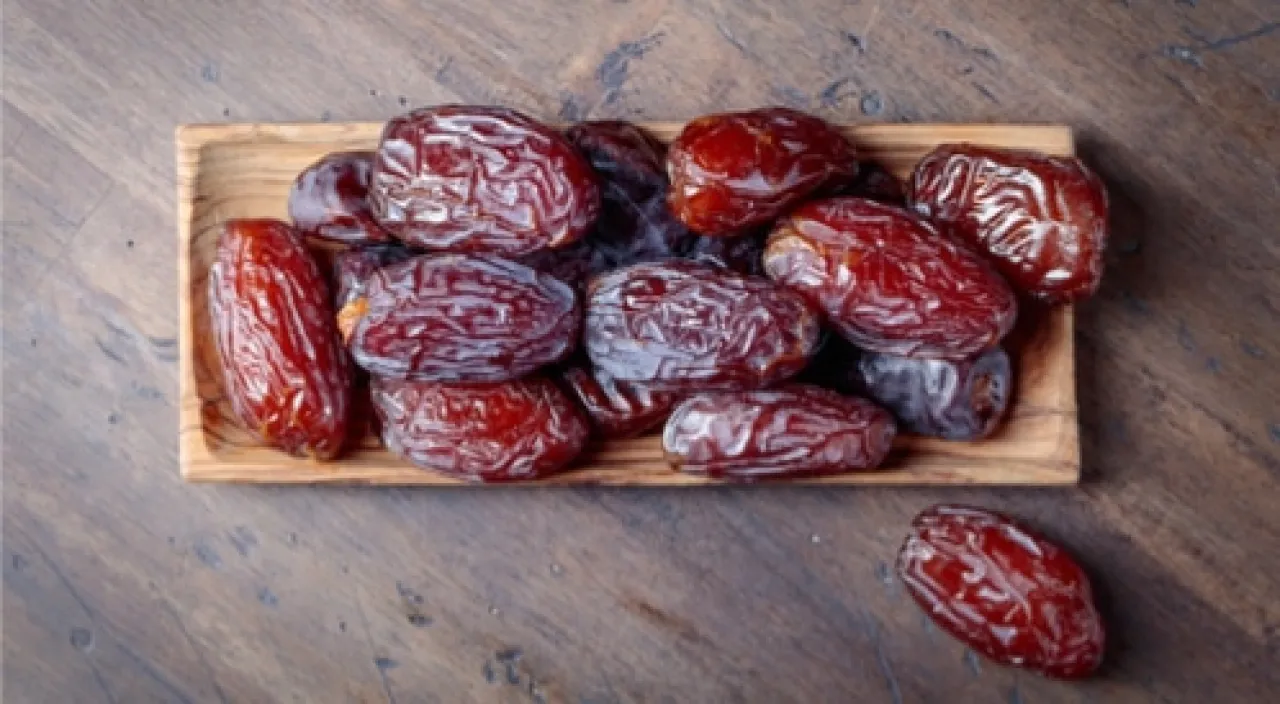
Khaberni - At the end of the first quarter of the twenty-first century, it seemed as if the West was discovering dates for the first time; one of the oldest fruits in history astonishing the American and European continents, and registering a noticeable rise in sales and innovations, along with a significant increase in search indicators on the Internet and social media platforms.
In the past two years, dates have become a favored snack around the world, especially among athletes and those following healthy diets.
Market experts, according to the New York Times, expect that this trend is only at its beginning, confirming that "the best days of this fruit are yet to come".
From a fruit associated with history and civilization, known as the best thing to break the fasting and the most generous offer to a guest, and from a tree that fills the lands of the Middle East, the Arabian Gulf, and North Africa, dates have transformed into a global food phenomenon.
Several factors have contributed to dates leading the healthy food lists for the years 2025 and 2026, foremost among them is the global quest to find natural alternatives to sugar, and the demand for fiber-rich foods away from processed products.
Candy companies and food brands have also entered the scene, innovating new recipes based on dates, with development in its form and packaging to come dipped in chocolate or stuffed with pistachio butter, and presented in attractive packages instead of the traditional wrappers.
The Guardian reported that sales of "Medjool" dates, which are the most famous globally, increased by 100% last year, while searches for date butter increased by 458%, and for chocolate-covered dates by 135%.
Interest is not limited to browsing and learning, as consumers are actually spending on this fruit, especially in the United States. According to Circana market research firm, date sales in major American stores jumped by 30% between 2024 and 2025.
This rapid interest has imposed a new agricultural reality, as the shortage in supply prompted American farmers to buy more land for palm cultivation, in an attempt to reduce reliance on importation.
Currently, palm cultivation is centered in Coachella Valley in southern California, and the Yuma area in Arizona.